The History of the Indianapolis 500: The Greatest Spectacle in Racing
12 June 2026
Buckle up. We're about to take a high-octane ride through over a century of speed, noise, glory, and heartbreak. The Indianapolis 500 isn’t just a race—it’s a war on wheels, a time-honored tradition, and, let’s face it, the pinnacle for racing junkies around the world.
They call it “The Greatest Spectacle in Racing.” And honestly? That’s not just hype. It’s a bone-rattling, ear-splitting symphony of horsepower and heroism that’s been burning rubber since 1911. Yeah, that’s right—1911.
So if you're wondering how one race carved out such a legendary space in sports history, grab your helmet. Let’s hit the gas on this legendary legacy.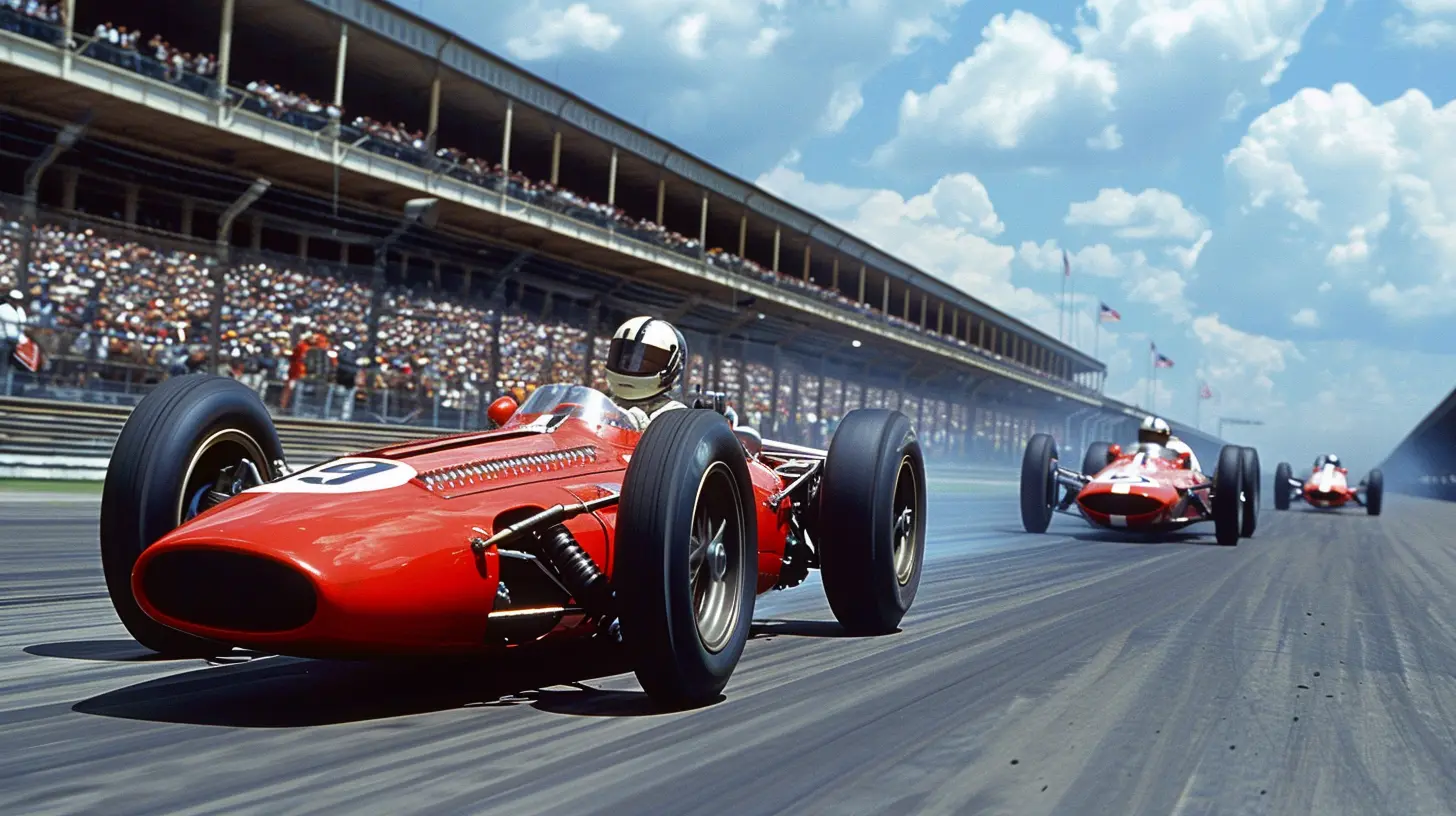
The Birth of a Legend: Where It All Started
Let’s rewind to the early 1900s—cars were still new, roads barely existed, and safety? Please, people barely wore seatbelts. Now throw in 500 miles of racing. Sounds nuts, right? But that’s exactly what happened in 1911 when the first Indianapolis 500 revved to life.A guy named Carl Fisher had this wild dream. He wanted to build a massive track to test cars and show off to the world how America could dominate this whole "automobile" thing. Enter the Indianapolis Motor Speedway, a 2.5-mile oval track that would soon become sacred ground.
That first race? Ray Harroun took the checkered flag driving a Marmon Wasp (great name, right?) and was the only dude rocking a rearview mirror instead of a riding mechanic. Innovation, baby!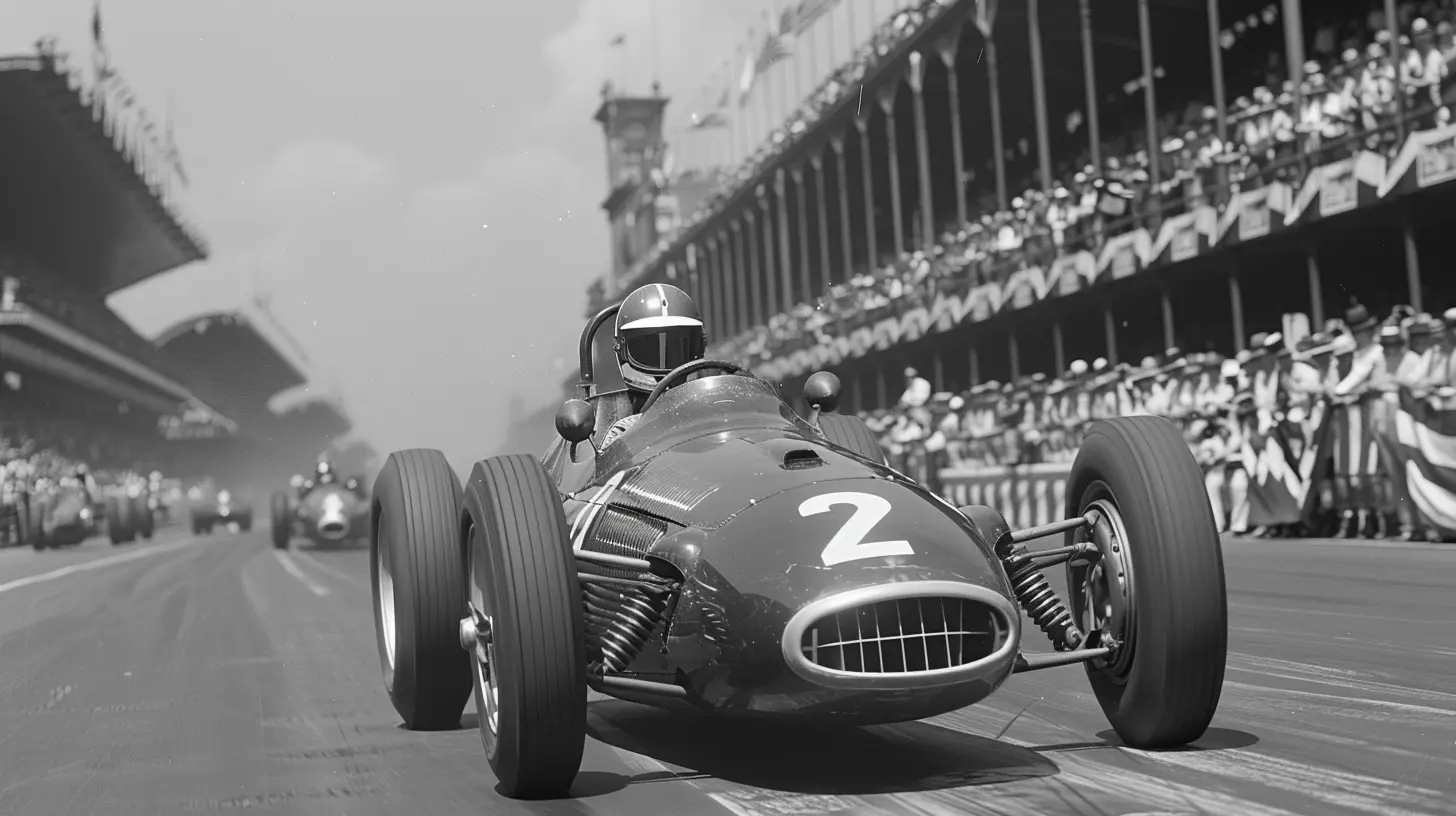
Growth, Grime, and Glory (The 1920s to the 1940s)
By the time the roaring '20s rolled in, the Indy 500 had already become America’s premier car race. Cars were faster, drivers bolder, and crashes… well, let's just say that safety was still catching up.Back then, the Indianapolis 500 was raw. It was a gritty, daring test of grit and guts. Drivers like Louis Meyer and Wilbur Shaw became household names. And get this—Meyer started the tradition of drinking milk in Victory Lane when he downed a bottle of buttermilk after winning in 1936. It stuck.
But come World War II, the track went silent. From 1942 to 1945, the Indy 500 hit pause. No roaring engines. No crowds. Just eerie silence and overgrown weeds until Tony Hulman bought and resurrected the speedway in 1946.
Thank you, Tony. Seriously. Without him, the Brickyard might’ve become a footnote instead of a legend.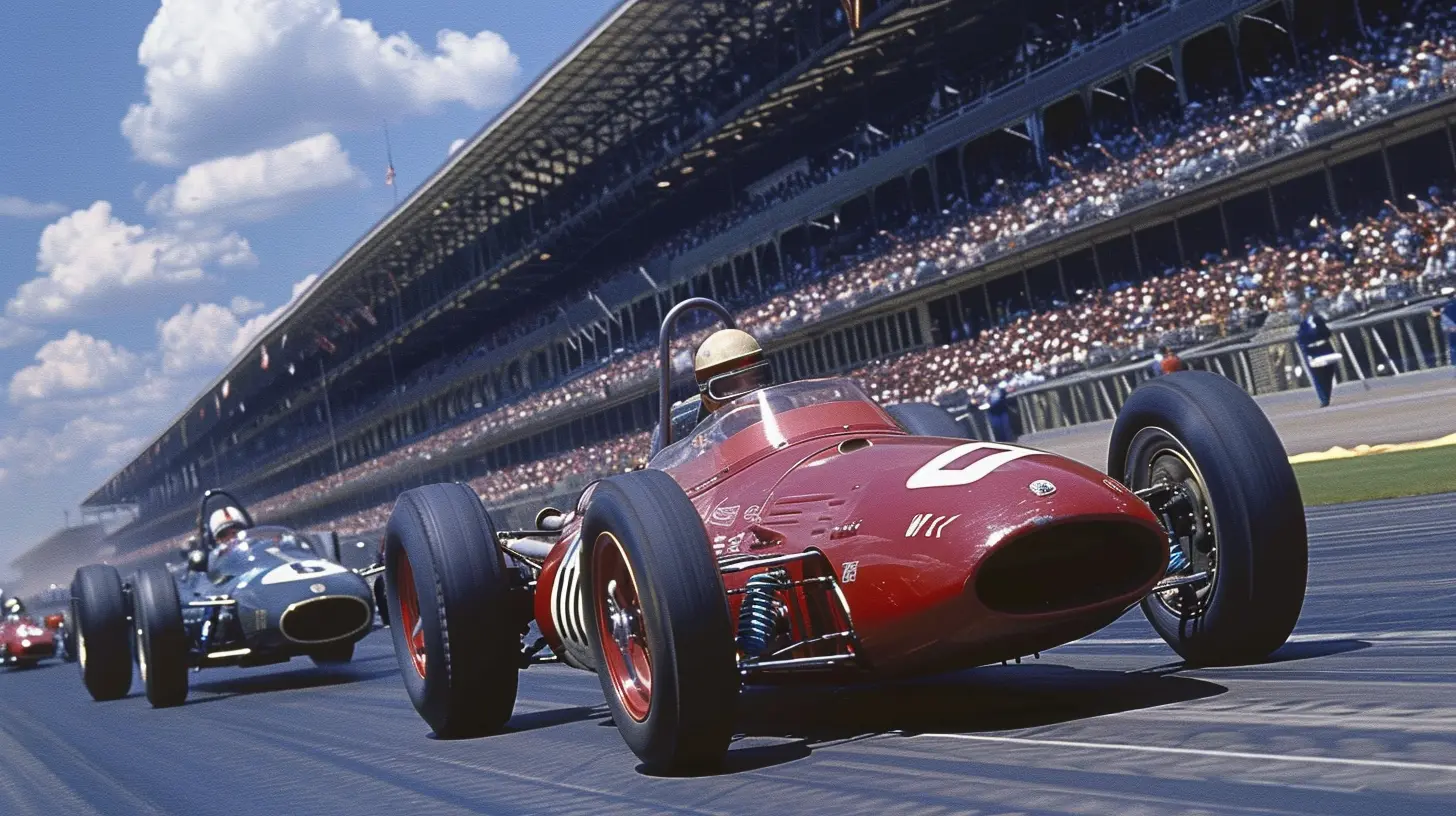
Post-War Power and the Golden Era (1950s–1960s)
When the war years ended, fans returned in droves, and the Indy 500 exploded in popularity. By the ‘50s, it had become part of the Formula One World Championship, though the European teams rarely showed up due to the Atlantic-sized gap in racing styles.And then? Boom. The ‘60s hit, and with it came legends like A.J. Foyt, Parnelli Jones, and Jim Clark—names etched permanently into racing history.
Let’s talk about Clark for a sec. He was a Formula One champion who came over from Europe and crushed it in 1965, proving that the Indy 500 wasn’t just an American playground. It was the global stage.
Oh, and that whole rear-engine revolution? Yeah, it killed the front-engine “roadsters” that had ruled the Brickyard for decades. It was like switching from a horse-drawn cart to a jet plane. The game had changed forever.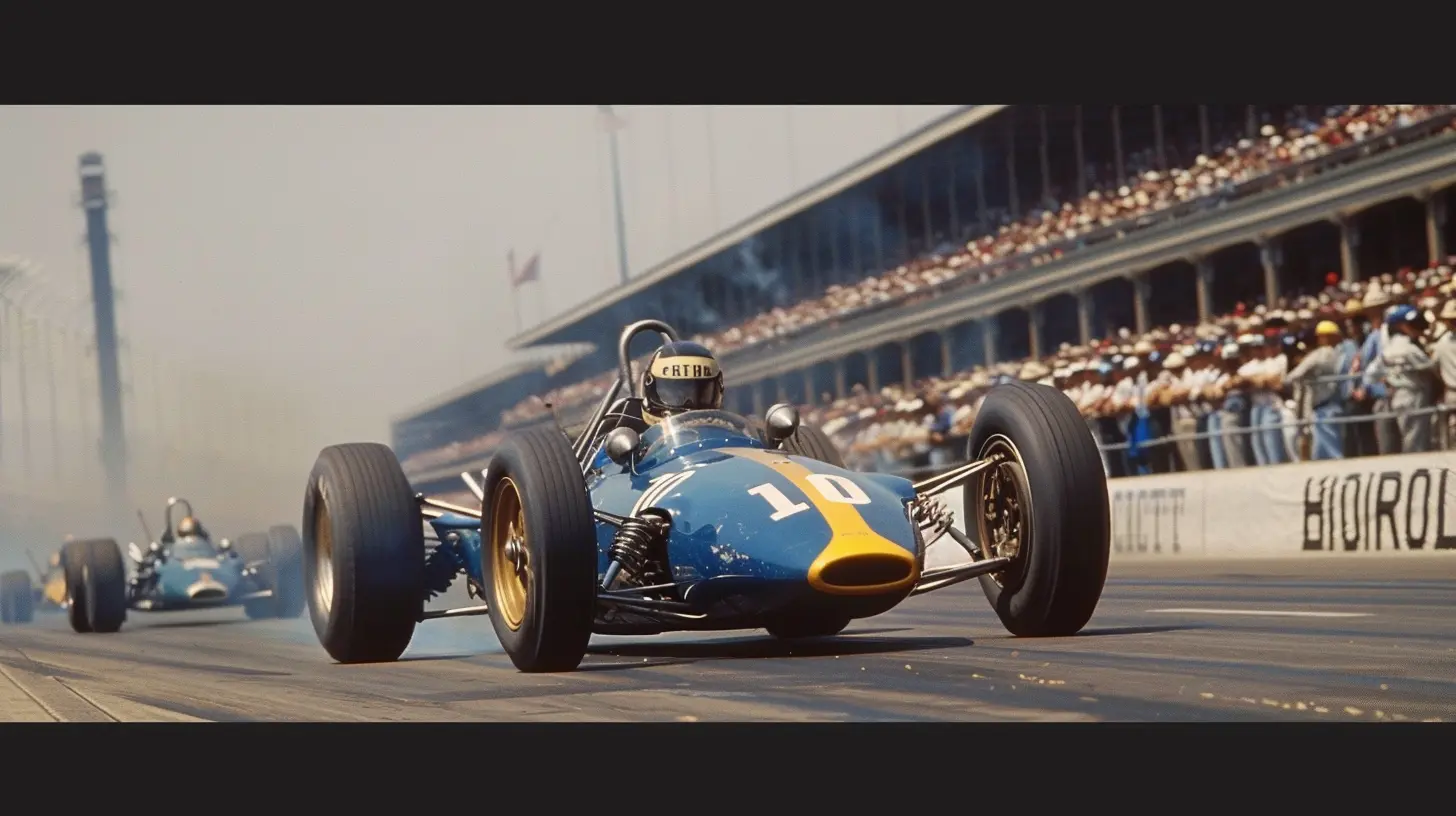
The Turbocharged '70s & '80s: Speed Meets Spectacle
If the '60s were all about innovation, the '70s and '80s were the show. More power, more drama, and more unforgettable personalities.Let’s talk A.J. Foyt—the first man to win four Indy 500s. The dude was a beast—tough as nails and fearless on the track. And he wasn’t alone. Guys like Al Unser, Mario Andretti, and Tom Sneva turned the Indy 500 into must-watch TV.
But while the cars were fast, they were also dangerous. Safety concerns mounted, especially after high-speed crashes and tragic deaths. It forced the sport to evolve. Better helmets. Safer cars. Improved barriers. The cars still screamed down the straightaway, but at least now, more drivers lived to tell the tale.
And who could forget the Andretti Curse? Mario Andretti won in 1969… and then, nothing. Year after year, bad luck stalked the entire Andretti clan like a ghost with a grudge.
The CART-IRL Split: The Dark Days
Okay, buckle up—this part’s rough. The ‘90s brought a civil war to American open-wheel racing.In 1996, the Indy Racing League (IRL) broke away from CART (Championship Auto Racing Teams), splitting fans and teams right down the middle. It was like someone took your favorite rock band and split them into two cover bands.
The schism watered down the talent pool, confused fans, and led to a ratings and attendance nosedive that lasted for years. Yeah, the Indy 500 still ran, but the magic? It sputtered.
But like any great underdog story, the race fought back.
Unity and Rebirth: The 2000s Revival
By the mid-2000s, fans were ready for a comeback story—and they got one. Stars like Dan Wheldon, Helio Castroneves, and Dario Franchitti brought the heat back to the Brickyard.Helio? That guy won three times in five years and climbed the fence in celebration like a human Spider-Man. It was fun, it was flashy, and most importantly—it was competitive again.
In 2008, the IRL and Champ Car (CART’s last form) finally merged back into one unified series. That year felt like the band got back together for an epic reunion tour.
Tragedy, Triumph, and Transition: The 2010s
The 2010s were emotional, man. Dan Wheldon’s death in 2011 shook the sport to its core. Just months after winning the Indy 500, he lost his life in a horrific crash at Las Vegas Speedway. The motorsport world mourned, but they also rallied.New car designs. Better barriers. A renewed focus on safety. But make no mistake—the Indy 500 never stopped being dangerous. That’s part of what makes it so compelling. Every driver rolls the dice at 230+ mph.
In 2016, Alexander Rossi, a total rookie, pulled off one of the wildest wins ever—running out of fuel, coasting to the finish line, and stunning the world. Talk about drama.
The Modern Era: A Global Playground
Today’s Indy 500 is a mash-up of cultures, cars, and cutting-edge tech. We’ve got Brazilians, Japanese, Europeans, and Americans all battling it out in a 500-mile sprint that’s broadcast to millions globally.And let’s not forget Takuma Sato’s 2017 and 2020 wins—reminding everyone that international drivers can own the oval, too.
In 2021, Helio Castroneves tied the record with his fourth win, joining legends like Foyt, Unser, and Mears. It was like watching a living legend turn back the clock and remind the young guns that he's still got it.
The Bricks, The Borg-Warner Trophy, and the Milk
Let’s talk about the quirks that make the Indy 500 so damn special.- Kissing the Bricks: After winning, drivers get on their knees and kiss the strip of original bricks left at the start/finish line. It’s greasy. It’s gritty. It’s tradition.
- The Borg-Warner Trophy: A giant silver monster with every past winner’s face sculpted on it. It's heavy, iconic, and just plain beautiful.
- The Milk: Yep, still a thing. Winners chug a bottle of milk in Victory Lane. It’s weird. It’s awesome. It’s Indy.
Final Thoughts: Why the Indy 500 Still Matters
In a world of instant gratification and 15-second TikTok videos, the Indianapolis 500 is a glorious outlier. It’s about endurance, not just speed. It’s about risk, strategy, and sheer human will.You don’t win the Indy 500 by accident. It takes everything—skill, grit, and sometimes a bit of luck. And when that checkered flag waves? It’s not just another race. It’s immortality.
So whether you’re a life-long fan or a newbie just hopping on the racing bandwagon, know this: the Indy 500 isn’t just part of racing history—it is racing history.
And every Memorial Day weekend, when those engines fire up and the green flag drops?
Well, that's when legends are made.
all images in this post were generated using AI tools
Category:
Sports HistoryAuthor:

Nelson Bryant
Discussion
rate this article
1 comments
Selkie McNulty
The Indianapolis 500 is more than a race; it's a celebration of speed, innovation, and resilience. Each lap tells a story of passion and the pursuit of greatness.
June 18, 2026 at 3:28 AM
Nelson Bryant
Absolutely, the Indianapolis 500 encapsulates a spirit that goes beyond racing. It's a tribute to the enduring pursuit of excellence in motorsport.