The History of Sports Broadcasting: How TV Changed the Game
28 January 2026
Sports have been an integral part of human culture for centuries, perhaps even millennia. From the ancient Olympic Games in Greece to modern-day mega-events like the Super Bowl, sports have always been a way for communities to come together, to celebrate athletic achievement, and to revel in the drama of competition. But while sports themselves may have evolved over time, the way we watch them has undergone a revolution—thanks to television.
In this article, we're going to take a deep dive into the fascinating history of sports broadcasting. From the first shaky radio broadcasts to the HD, multi-angle, instant-replay-laden experiences we take for granted today, television has completely transformed sports in ways that were unimaginable a century ago. So, grab your favorite snack, kick back, and let's explore how TV changed the game!
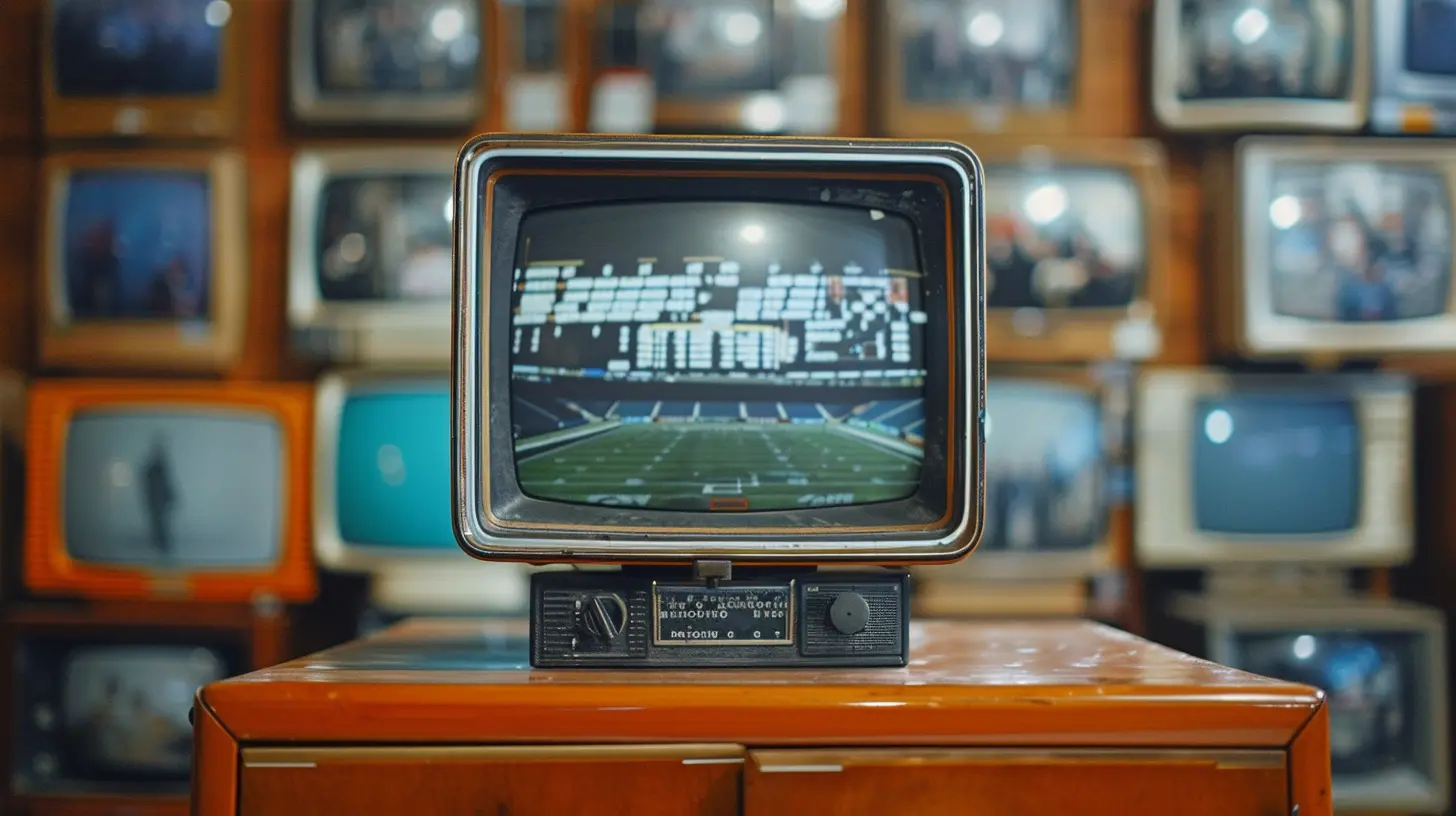
The Early Days: Radio Paves the Way
The First Steps in Broadcasting
Before TV took over, radio was the first medium that brought sports to the masses. It’s hard to believe now, but there was a time when sports fans had to rely on word of mouth or newspaper reports to find out who won last night’s game. That all changed in the 1920s when radio stations began broadcasting live sporting events.The first-ever live sports radio broadcast is often credited to a 1921 boxing match between Johnny Dundee and Johnny Ray. Shortly after, in the same year, KDKA—a Pittsburgh-based radio station—broadcast a baseball game between the Pittsburgh Pirates and the Philadelphia Phillies. These early broadcasts were a game-changer (pun intended!), allowing fans to experience live play-by-play commentary in real-time from their own homes.
Radio’s Role in Popularizing Sports
Radio didn’t just bring sports to people’s homes; it made fans more connected to the games they loved. Suddenly, you didn’t have to be in the stadium to feel the tension of the final inning or the thrill of a last-second touchdown. Radio announcers like Red Barber and Graham McNamee became household names, their voices synonymous with the sports they covered.But as transformative as radio was, it was television that would truly revolutionize the way we consume sports.
The Birth of Sports Television
The First Televised Sporting Events
While radio had been around for a few decades, the first sports event ever televised was a college baseball game between Columbia and Princeton on May 17, 1939. This broadcast, which took place on NBC, was a small, low-quality production. Honestly, the picture was so grainy and the audience so limited that it might not even seem like a big deal today.But it was.
That single, modest broadcast opened the door to a whole new way of experiencing sports. By the 1940s, more and more sporting events were being aired on television, though the medium was still in its infancy and limited by the technology of the time.
The 1950s: A Decade of Growth
The 1950s were when sports broadcasting really started to pick up steam. The post-war economic boom meant more people owned televisions, and networks were looking for content to fill the airwaves. What could be more exciting than sports?The 1952 Summer Olympics in Helsinki were one of the first international sporting events to be broadcast on television, though only to a select few countries. Meanwhile, in the United States, the National Football League (NFL) began to see the potential of TV. The NFL Championship Game of 1958, often referred to as “The Greatest Game Ever Played,” was a turning point. It was the first NFL game to go into sudden death overtime and was aired live across the country, captivating millions of viewers.
The Introduction of Instant Replay
One of the most important innovations in sports broadcasting came in 1963, when CBS introduced instant replay during a broadcast of the Army-Navy football game. For the first time, viewers could see a key play again, right after it happened. This might seem like a small addition, but it fundamentally changed how sports were covered. It allowed broadcasters to analyze plays in real-time and gave fans at home a better understanding of the game’s intricacies.Today, we take instant replay for granted. But back then? It was revolutionary.
The Golden Age of Sports Broadcasting
The Rise of Monday Night Football
By the 1970s, sports broadcasting was entering what many consider its golden age. One of the biggest milestones of this era was the debut of Monday Night Football in 1970. For the first time, the NFL had a weekly primetime television slot all to itself. The show became a cultural phenomenon, blending sports with entertainment, and its success paved the way for the massive TV deals that sports leagues enjoy today.This was also the era when sports broadcasting truly became a spectacle. Announcers like Howard Cosell brought personality and flair to the commentary booth, while networks began experimenting with new camera angles, slow-motion replays, and better graphics.
The Explosion of Cable TV
Another major factor in the growth of sports broadcasting was the rise of cable television in the 1980s. ESPN, which launched in 1979, was the first network dedicated exclusively to sports. At first, the idea of a 24-hour sports network seemed absurd. After all, how much sports content could there really be?It turns out, a lot.
ESPN not only provided a home for major sporting events but also gave airtime to sports that had long been ignored by mainstream networks. From hockey to college basketball to niche sports like bowling and poker, ESPN helped broaden the scope of what “sports” could mean on TV.
The Modern Era: HD, Streaming, and Beyond
The Shift to High Definition
In the 2000s, the introduction of high-definition (HD) television took sports broadcasting to a whole new level. Suddenly, it wasn’t just about watching the game; it was about experiencing it. The clarity of HD made every blade of grass on the football field visible, every bead of sweat on a basketball player’s brow noticeable. It wasn’t just a slight improvement; it was a complete transformation in how we watched sports.HD coincided with the rise of bigger screens and surround sound systems, making it feel like the stadium was in your living room. This shift helped sports maintain their dominance in the TV ratings, even as other types of programming struggled to compete with the rise of streaming services.
The Streaming Revolution
Speaking of streaming, it’s impossible to talk about the modern era of sports broadcasting without mentioning the rise of digital platforms. Services like ESPN+, DAZN, and even Amazon Prime have entered the sports broadcasting world, offering fans the ability to watch games on their phones, tablets, or computers. Streaming has made sports more accessible than ever before, allowing fans to tune in no matter where they are or what device they're using.While traditional television still plays a huge role in broadcasting major sports events like the Super Bowl or the Olympics, the future seems to be moving toward streaming. Leagues and networks are increasingly experimenting with direct-to-consumer models, where fans can subscribe to watch their favorite teams without needing a cable package.
The Role of Social Media
In addition to streaming, social media platforms like Twitter, Facebook, and Instagram have also changed the game. Highlights, player reactions, and even live broadcasts are now just a scroll away. Fans can engage with others in real-time, creating a more interactive viewing experience than ever before. It’s no longer just about watching the game; it’s about being part of the conversation.How Television Changed the Game—Literally
Bigger Audiences, Bigger Money
TV didn’t just change how we watch sports; it changed the sports themselves. The massive audiences that television brought in meant bigger sponsorship deals, more lucrative broadcasting rights, and more money for everyone involved—from leagues and teams to players and broadcasters.The NFL, NBA, MLB, and other leagues have all struck multi-billion-dollar deals with networks to air their games. The influx of cash has allowed leagues to expand, teams to grow, and players to earn astronomical salaries. Sports have become a global business, and television is the engine that drives it.
The Impact on Athletes
Television has also had a profound impact on the athletes themselves. Players are no longer just athletes; they’re celebrities. TV has given rise to the superstar athlete—the Michael Jordans, the Tom Bradys, the Serena Williamses of the world—whose fame extends far beyond the sport they play. Endorsement deals, social media followings, and global recognition are all part of being a modern-day athlete, and it’s all because of television.
Conclusion: The Future of Sports Broadcasting
From grainy black-and-white broadcasts to 4K streaming on your smartphone, sports broadcasting has come a long way. Television has not only changed how we watch sports but has also altered the very fabric of the games themselves. As technology continues to evolve, it’s exciting (and a little mind-blowing) to think about what the future holds for sports broadcasting. Virtual reality? Holograms? Who knows?What we do know is that, for fans, the game-watching experience will keep getting better and more immersive. So, whether you’re watching from the comfort of your living room or streaming a game on the go, one thing is certain: television has forever changed the game.
all images in this post were generated using AI tools
Category:
Sports HistoryAuthor:

Nelson Bryant
Discussion
rate this article
2 comments
Cambria Bowers
Fascinating topic! How did early broadcasts shape today’s sports viewing experience?
March 10, 2026 at 4:34 AM
Nelson Bryant
Early broadcasts laid the foundation for today's sports viewing by introducing audiences to live events, enhancing fan engagement, and establishing the importance of commentary and analysis, ultimately shaping the way we experience and consume sports today.
Wesley Cole
Great article! It’s fascinating to see how television transformed sports broadcasting and enhanced fan engagement. The evolution of technology has truly reshaped the way we experience games. Thank you for sharing this insightful history—it highlights the connection between sports and media beautifully!
February 2, 2026 at 1:15 PM
Nelson Bryant
Thank you for your kind words! I'm glad you enjoyed the article and found the connection between sports and media intriguing.