The History of Gymnastics: Grace, Power, and Precision
12 July 2026
Let’s flip, twist, and leap into the stunning journey of gymnastics—a sport that didn’t just tumble into the spotlight; it somersaulted there with elegance, grit, and spectacular flair. If you think gymnastics is just about leotards and cartwheels, honey, buckle up. We're diving deep into the roots of a sport that’s equal parts poetry and power, grace and grind.
Whether you're a gym rat, a couch commentator, or someone who still can't touch their toes (no judgment), you're about to be wowed by the epic tale of gymnastics—where strength meets artistry and each movement tells a story.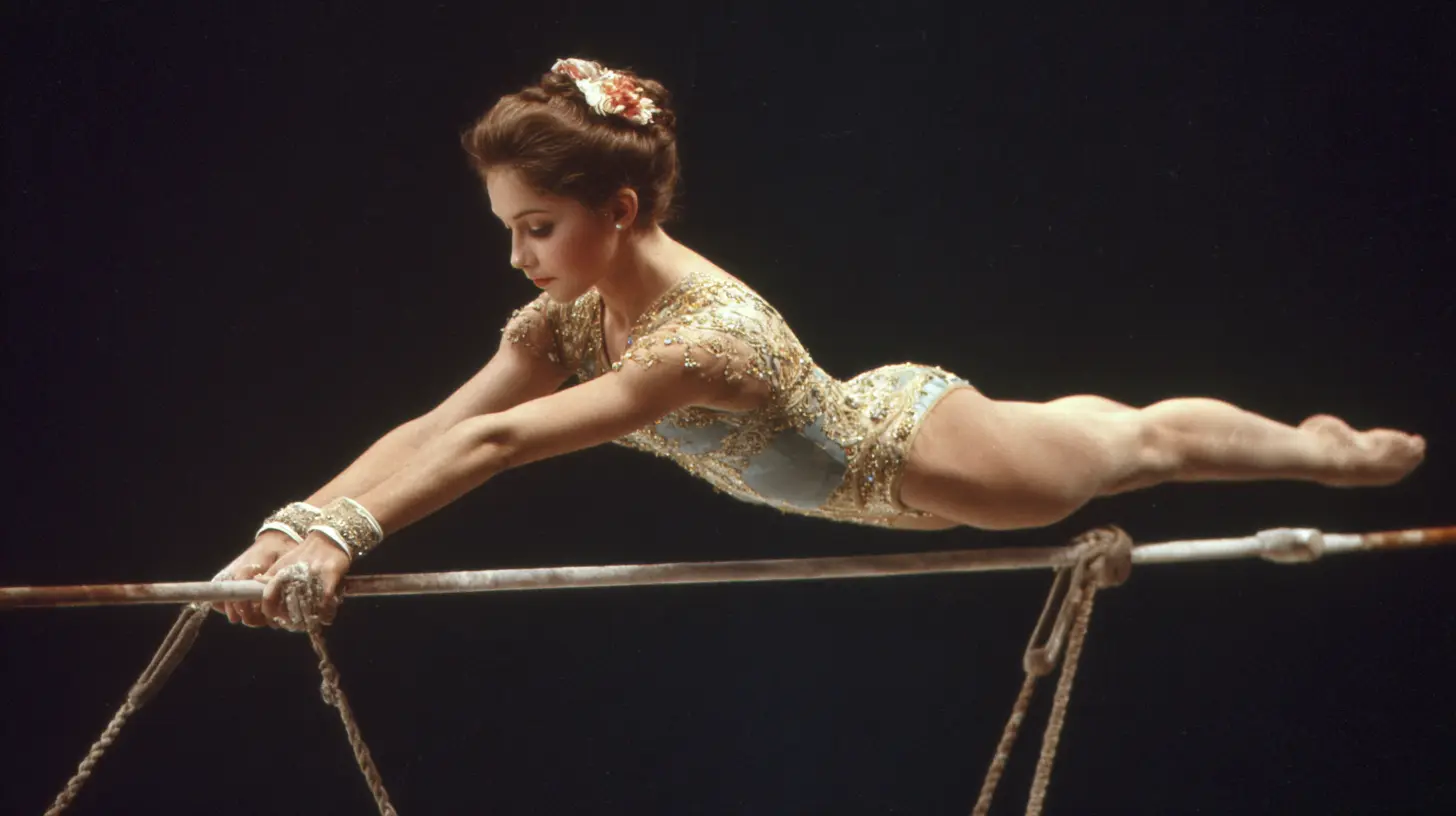
A Long Time Ago... Like Ancient Long
Before Simone Biles was launching herself into physics-defying dimensions, gymnastics was brewing in ancient worlds. And no, it didn’t start with balance beams and uneven bars. That came waaaay later.Ancient Greece: Where It All Began
The word "gymnastics" actually comes from the Greek word "gymnos," meaning naked. Yep... you read that right. Ancient Greek athletes trained in the nude to celebrate the body's power and form. Imagine Olympic events mixed with hardcore aesthetic worship. They believed in pushing the body to its max, not just in battle but in play—and gymnastics was how they did it.It wasn’t sports-as-we-know-it, but rather a combo of physical exercise, military training, and philosophical practice. Think calisthenics, flexibility routines, and acrobatics—no fancy mat or foam pit necessary.
Rome Took It and Flipped (Literally)
When the Romans stepped in, they saw gymnastics as the perfect prep for war. They tweaked the Greek methods into military drills. Less about art, more about killing it on the battlefield.But sadly, when the Roman Empire crumbled, gymnastics kinda disappeared into the shadows for a loooong time.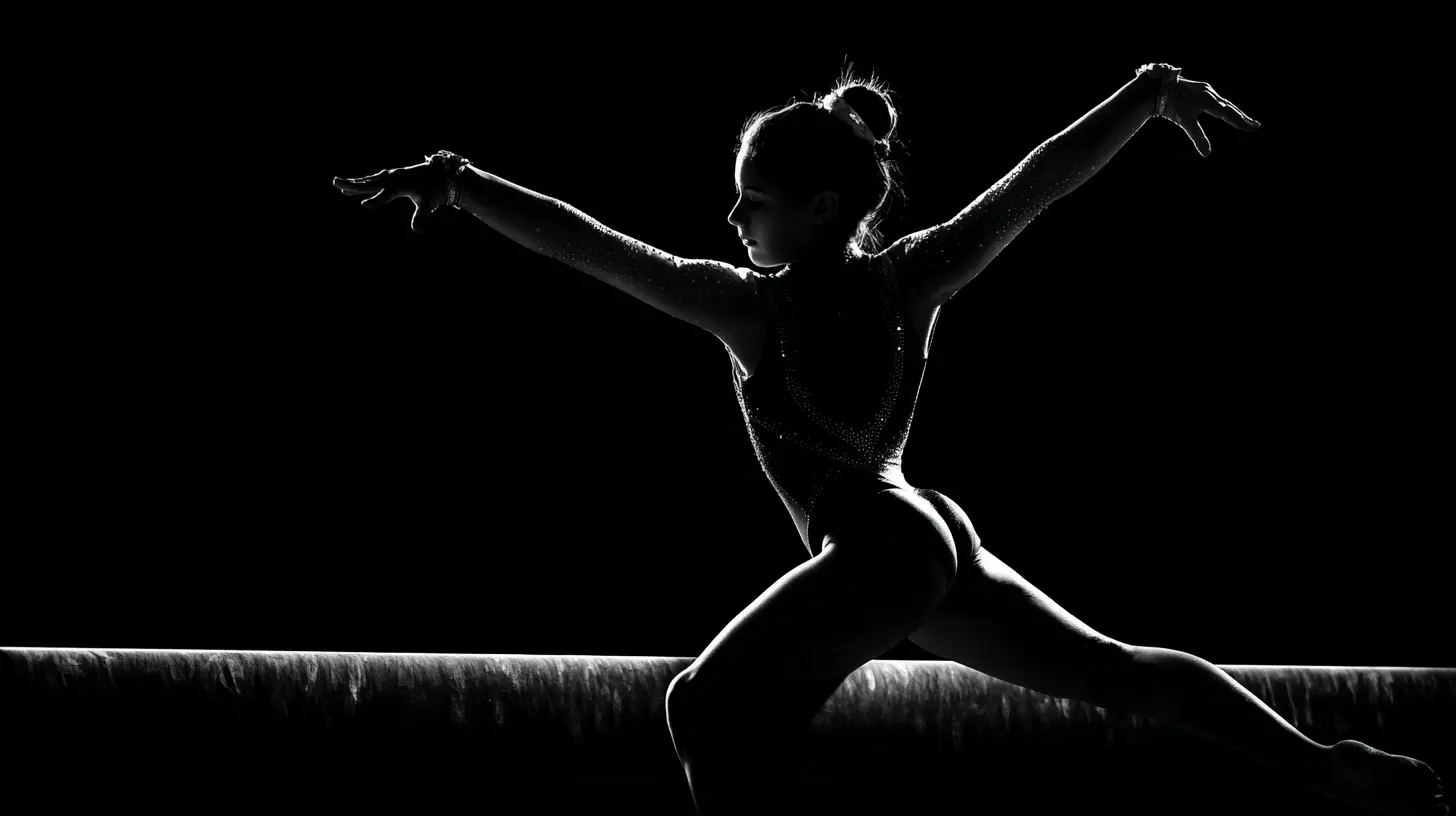
Gymnastics Reboot: The 1800s Renaissance
Fast forward to 19th-century Europe—thankfully, gymnastics made its comeback tour, and this time, it came with big ambitions.Meet Your New Gym Teachers: Jahn and GutsMuths
Let's give a shoutout to Friedrich Ludwig Jahn of Germany (aka the "father of modern gymnastics"). He basically turned physical education into a full-blown movement—like, literally. He invented the parallel bars, horizontal bar, vaulting horse (now called the vault), and rings. If gymnastics were a rock band, Jahn would be the lead guitarist.Then there’s Johann Friedrich GutsMuths, who brought structure and theory to this madness. He wrote books on physical education and helped blend precision with athleticism. Their work became the blueprint for what we now know as artistic gymnastics.
Spreading Across Europe
Germany was ground zero, but soon enough, countries like Sweden, Switzerland, and France were cartwheeling into the scene. Each added their own flavor—Swedes went for rhythmic, flowing moves, while the Germans loved those muscle-challenging routines with all the apparatuses.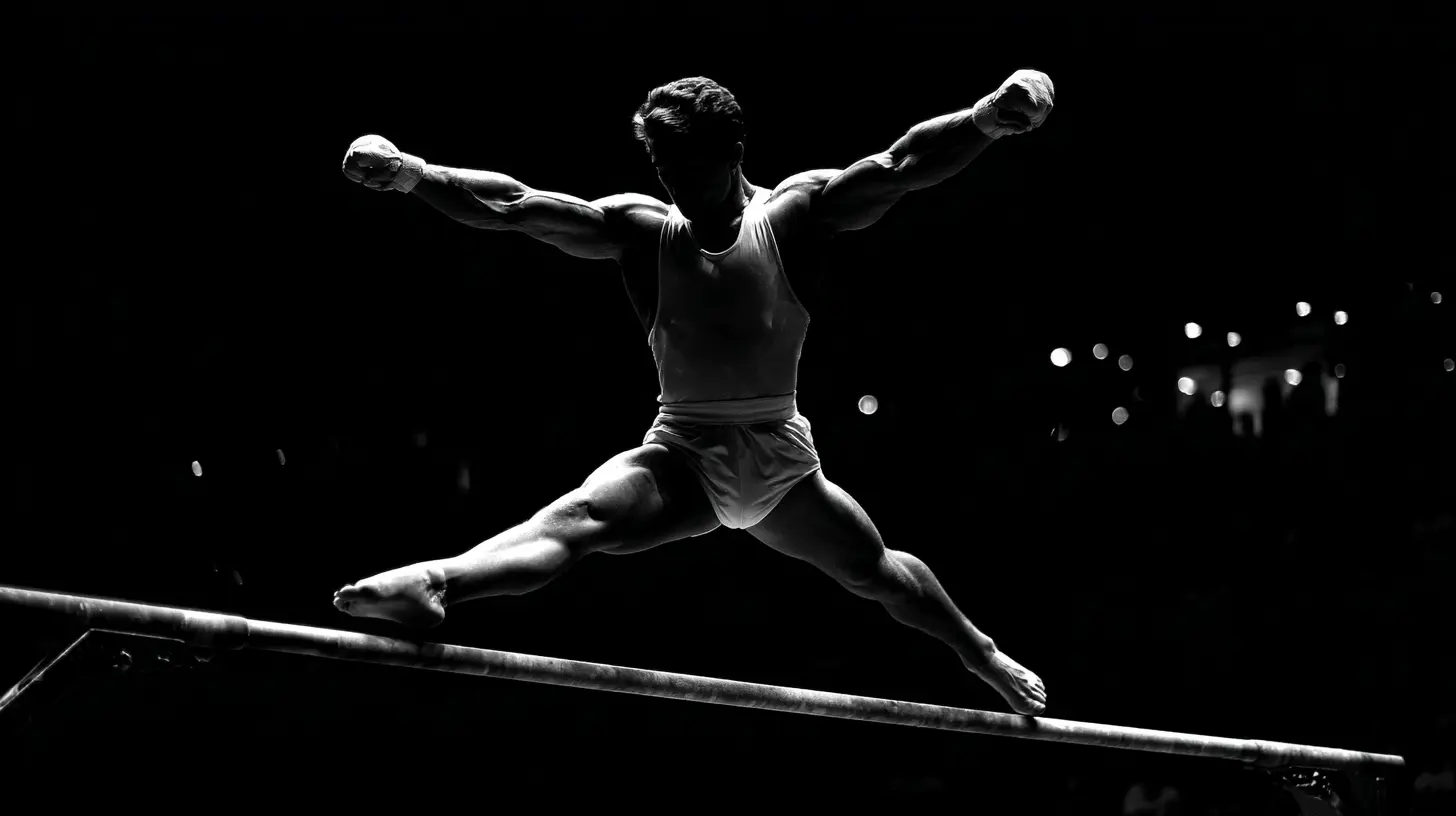
Hello Olympics, Hello Prestige
The Men Took Over First
Gymnastics made its Olympic debut in 1896 in Athens. But surprise, surprise—it was a boys-only club. Men competed in a handful of events but with no standard rules. It was chaos. Glorious, historical chaos.It wasn’t until 1928, at the Amsterdam Games, that women were finally allowed to compete. About time, right?
The Rise of Women in Gymnastics
Women’s gymnastics evolved faster than you can say "back handspring." Initially, it was all about group calisthenics and graceful routines. But the moment individual events were introduced, the sport took off like a moon-bound rocket.Enter the era of Soviet powerhouses—names like Larisa Latynina who owned the podium in the 1950s and 1960s. If gold medals were currency, she’d have been filthy rich.
And then came Nadia Comăneci in 1976 with the first-ever perfect 10 at the Olympics. That scoreboard didn’t even know what to do. She was just 14, and the world was never the same.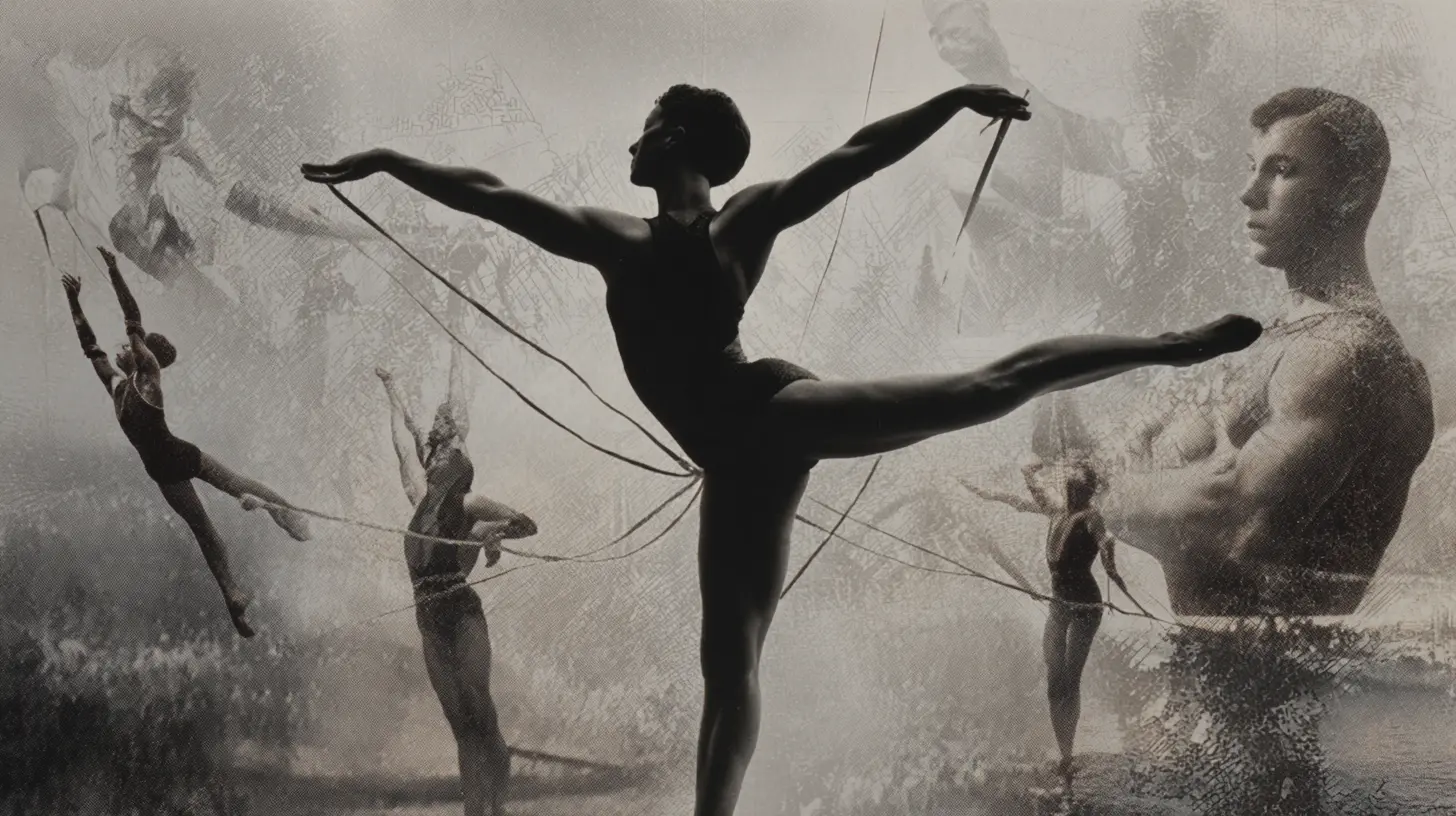
Gymnastics Gets a Makeover: 80s and Beyond
Let’s talk neon leotards, over-teased hair, and some major skill evolution. The 80s and 90s were gymnastics' glow-up years.Power Meets Art
Gymnasts started becoming stronger, faster, and more technical. The routines were no longer just pretty—they were explosive. Think rocket launches in leotards.Events like the vault and the floor exercise turned into showcases of insane athleticism. Tumbling passes had more flips than a pancake house on a Sunday morning.
And yup, men stuck with rings, pommel horse, and high bars—each requiring the kind of strength most of us can't even fake in our dreams.
The Scoring Shake-Up
Let’s not act like gymnastics scoring hasn’t been a hot mess.From Perfect 10s to Complicated Codes
After the 2004 Olympics, the International Gymnastics Federation (FIG) ditched the beloved perfect 10 system. Why? Because routines were getting crazy difficult, and there needed to be more room to give credit where it was due.Now, gymnasts get two scores: one for difficulty, one for execution. Add them up, and that’s your final score. Great in theory—but confusing AF for casual fans. Still, it pushes gymnasts to get bolder and wilder with their skills.
Simone, Sunisa & the Social Media Era
We can’t talk about modern gymnastics without bowing down to today’s icons.Simone Biles: The Queen of Goats
Simone isn't just the GOAT—she's the whole zoo. She's redefined what's humanly possible in the sport. With skills named after her and enough medals to sink a ship, she's gymnastics personified: power, grace, and fearlessness rolled into one.She’s also opened up conversations about mental health, showing that even champions can—and should—prioritize well-being.
Sunisa Lee and Representation Matters
When Suni clinched gold in the all-around at Tokyo 2020, she made history as the first Hmong-American Olympian. Her win wasn’t just athletic—it was cultural, emotional, and straight-up legendary.This new era of gymnastics is diverse, vocal, and visible—and we are HERE for it.
Different Styles, Same Wow Factor
Let’s break down the major types of gymnastics, because yes—they’re not all the same!Artistic Gymnastics
This is the bold, the dramatic, the Olympic showstopper. Men compete on six apparatuses; women on four. Think flips, strength, and "did-they-really-just-do-that?" moments.Rhythmic Gymnastics
Basically gymnastics meets ballet meets throwing things (like ribbons and hoops). It's exclusively for women in the Olympics and is all about grace, coordination, and timing. Ever tried tossing a hoop while turning? Didn’t think so.Trampoline Gymnastics
Yes, bouncing is a sport—and these athletes make it look like they’re flying. Flips, twists, double layouts—all mid-air. It’s been an official Olympic event since 2000, and it's wild.Acrobatic and Aerobic Gymnastics
These don’t get Olympic airtime (yet), but they’re totally worth watching. Acrobatic gymnastics involves choreographed routines with human pyramids, lifts, and partner moves. Aerobic? Think high-energy dance and strength combos.Training Like There’s No Tomorrow
Behind every gold medal is a mountain of sweat and sacrifice. Gymnasts train young—like, really young. Most elite athletes start serious training before they even lose their baby teeth.The Grind Is Real
We’re talking 30+ hours a week, muscle soreness, mental pressure, and a constant chase for perfection that never really ends.But it’s not all grueling. There's community, passion, and the kind of discipline that carries over into every part of life.
Gymnastics Today: More Than Just a Sport
Today’s gymnastics isn't confined to Olympic arenas. It’s a pop culture phenomenon. It's TikTok routines, influencer gymnasts, and kids flipping on backyard trampolines.It’s an art form. A protest. A celebration of the human body doing superhuman things.
And it still has a long way to go. From evolving scoring systems to pushing for gender equity and safety for athletes, the sport is constantly flipping forward.
So, What’s Next?
Gymnastics is no longer just an event—it’s a movement (pun 100% intended). With each generation, gymnasts are rewriting the rules, redefining limits, and reminding us of the power of hard work and heart-stopping beauty.Where does it go from here? Higher. Faster. Stronger. More inclusive. And definitely more jaw-dropping.
So next time someone shrugs off gymnastics as “just another sport,” hit ‘em with a triple backflip of facts. Because from ancient Greece to modern-day icons, gymnastics has been and always will be the perfect storm of grace, power, and precision.
all images in this post were generated using AI tools
Category:
Sports HistoryAuthor:

Nelson Bryant
Discussion
rate this article
1 comments
Dana Hensley
Gymnastics showcases incredible talent and dedication. The blend of strength and artistry makes it a captivating sport to follow.
July 18, 2026 at 11:47 AM
Nelson Bryant
Absolutely! Gymnastics truly embodies the perfect mix of strength and artistry, making it a unique and inspiring sport to watch.