The History of Cricket: From British Empire to Global Passion
13 February 2026
Cricket is more than just a sport. For many around the world, it's a way of life, a passion that transcends borders, cultures, and languages. But have you ever wondered how this game, which was once played by English aristocrats, became the global phenomenon it is today? Let’s take a journey through time and explore the history of cricket, from its humble beginnings in England to becoming an international obsession.
A Gentleman's Game: The Origins of Cricket
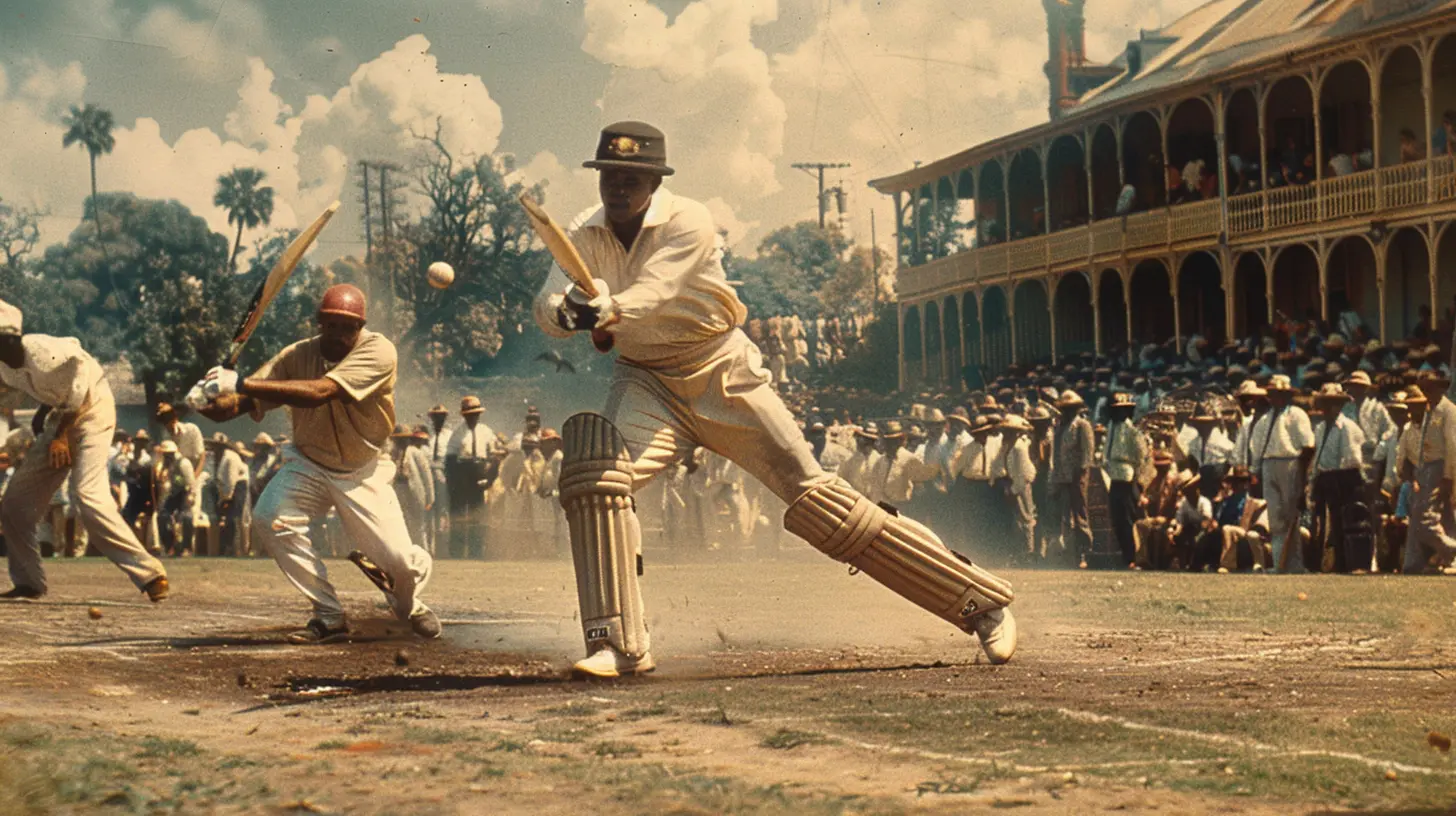
Cricket’s origins are a bit murky, but most historians agree that the game began in England during the 16th century, primarily in the southeastern counties. The earliest definite reference to cricket can be traced back to 1598, when a court case mentioned a match being played in Guildford, Surrey. However, it’s believed that the game had been played for several years prior to this.So, how did cricket start? Well, imagine a group of children in the English countryside. Back then, it wasn't uncommon for kids to invent games using whatever they had at hand – a stick and a ball made of cloth or wool. Over time, this simple pastime evolved and became more structured, especially as it was picked up by adults. By the 17th century, cricket was being played by men in the villages and was even embraced by the aristocracy.
Interestingly, it was referred to as a "gentleman's game," probably because it was mostly played by the upper classes. But don't let the term fool you – early cricket was anything but genteel. Matches could last for days, and the rules were often made up on the fly. It wasn't until much later that cricket became the well-organized game we know today.
Cricket and the British Empire: Spreading the Game Across Continents
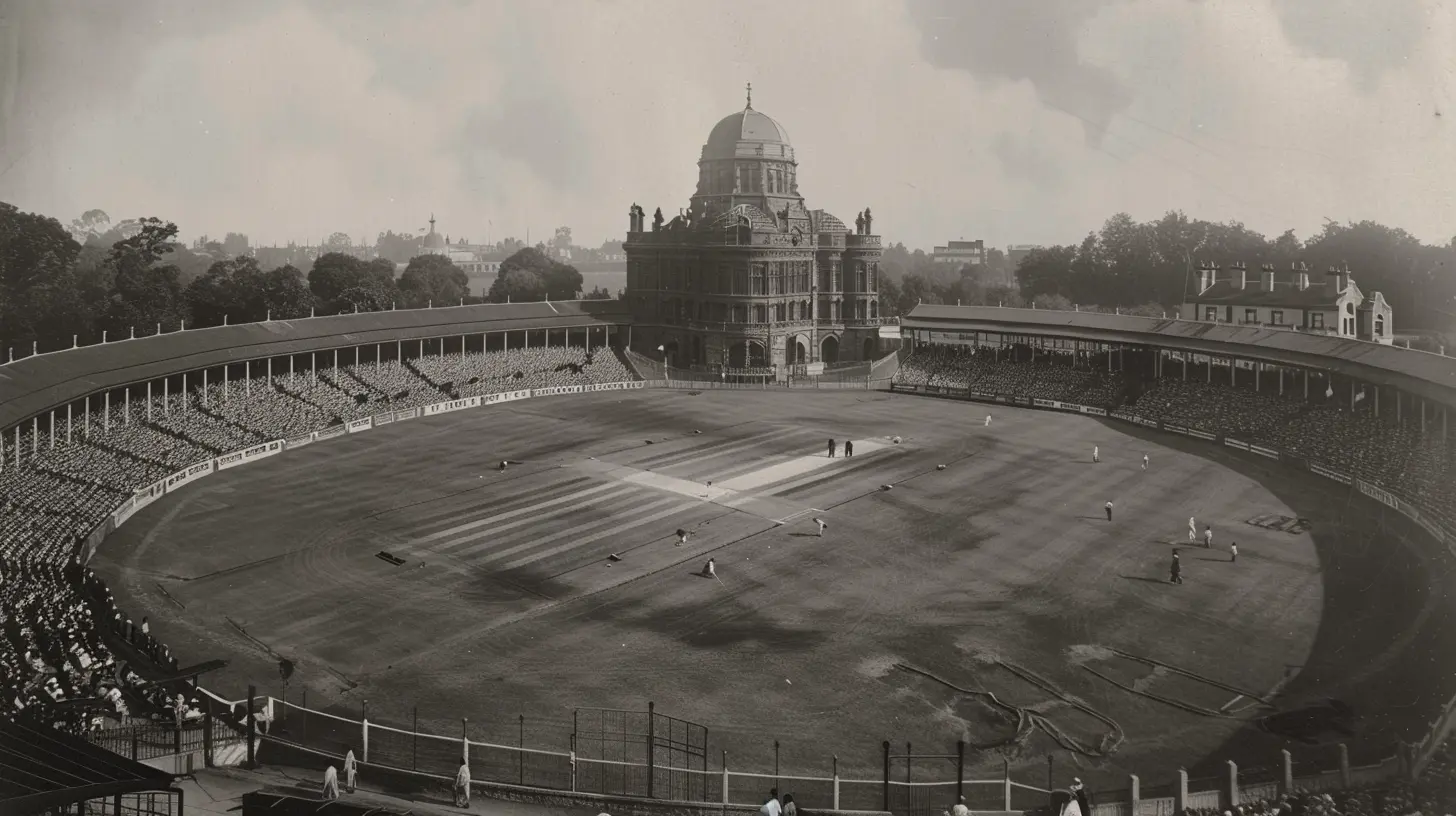
As the British Empire expanded across the world in the 18th and 19th centuries, cricket went along for the ride. British sailors, soldiers, and settlers took the game with them wherever they went, introducing it to far-flung corners of the globe. It’s no coincidence that some of the biggest cricketing nations today were once part of the British Empire – countries like India, Australia, South Africa, and the West Indies.India: Cricket's New Heartland
Cricket found a particularly enthusiastic audience in India. The British first introduced the game to India in the 18th century, with the first recorded match taking place in 1721. By the 19th century, cricket had become a popular pastime among the Indian elite, and the first Indian cricket club, the Calcutta Cricket Club, was founded in 1792.Fast forward to today, and India is arguably the most passionate cricketing nation in the world. The Indian Premier League (IPL), launched in 2008, has transformed the sport into a multi-billion dollar industry, drawing in players from all over the globe. It's funny to think that a sport once played by British officers in colonial India is now a cornerstone of Indian culture.
Australia: The Birth of the Ashes
Cricket also took root in Australia, where it became more than just a game. It became a rivalry. In 1877, Australia played its first official Test match against England in Melbourne, and the seeds of one of the greatest sporting rivalries were sown. The Ashes, a Test cricket series between England and Australia, has since become one of the most fiercely contested competitions in the world, with each match steeped in tradition and national pride.The name "The Ashes" comes from a satirical obituary published in a British newspaper after Australia beat England in 1882. It claimed that English cricket had died, and "the body will be cremated and the ashes taken to Australia." Since then, the Ashes have been a symbol of the intense rivalry between the two nations.
West Indies: A Unique Cricketing Legacy
The West Indies, a collection of Caribbean islands, may not have the same population size as countries like India or Australia, but they have produced some of the greatest cricketers in history. Cricket was introduced to the West Indies by British colonists in the 18th century, and by the 20th century, the region had become a powerhouse in the sport.The 1970s and 1980s were a golden era for West Indies cricket, with players like Viv Richards, Clive Lloyd, and Malcolm Marshall dominating the international scene. The West Indies cricket team was known for its aggressive style of play and its fearsome fast bowlers, who could terrorize even the most skilled batsmen.
The Formation of the International Cricket Council (ICC): Birth of Global Cricket
With cricket spreading across the globe, it became clear that there needed to be some sort of governing body to oversee international matches. In 1909, the Imperial Cricket Conference was formed by England, Australia, and South Africa. At the time, it was a rather exclusive club, with membership limited to countries within the British Empire.As cricket expanded, so did the conference. In 1965, it was renamed the International Cricket Council (ICC), and membership was opened to countries outside the former British Empire. Today, the ICC governs the sport worldwide, organizing major tournaments like the Cricket World Cup, the ICC T20 World Cup, and the ICC Champions Trophy.
The introduction of these international tournaments has further fueled the growth of cricket, attracting new fans and players from countries that don’t have a long cricketing history. In fact, nations like Afghanistan and Nepal have seen a massive surge in cricket’s popularity in recent years, showing that the sport is continuing to spread its wings.

The Evolution of Cricket Formats: From Test Matches to T20
Cricket has come a long way since its early days, and one of the most significant changes has been the evolution of the game’s formats. Traditionally, cricket was played as a multi-day event, with Test matches lasting up to five days. While Test cricket remains the pinnacle of the sport for purists, the introduction of shorter formats has revolutionized the game.One-Day Internationals (ODIs)
The first major shift came in 1971 with the introduction of One-Day Internationals (ODIs). Unlike Test matches, which could end in a draw, ODIs were designed to be completed in a single day, with each team facing a limited number of overs. This format proved to be a huge hit with fans, as it provided a more fast-paced and decisive form of cricket.The Cricket World Cup, first held in 1975, is played in the ODI format and has become one of the biggest sporting events in the world. It’s hard to forget moments like India’s victory in 1983 or Australia’s dominance in the early 2000s – these are the moments that have defined ODI cricket.
T20 Cricket: The Game-Changer
Then came T20 cricket, and everything changed. Introduced in 2003, the T20 format is the shortest version of the game, with each team facing just 20 overs. T20 cricket is all about entertainment – big hits, fast bowling, and electrifying fielding. It’s cricket, but with the volume turned up to 11.The rise of T20 has brought a new audience to cricket. Younger fans, who may have found Test cricket a bit too slow, have embraced the excitement of the T20 format. Leagues like the IPL in India, the Big Bash League in Australia, and the Caribbean Premier League have turned players into global superstars, and the format has become a huge money-spinner for teams and sponsors alike.
Cricket Today: A Global Phenomenon
Cricket has come a long way from its origins in the English countryside. Today, it’s a truly global sport, played by millions of people in countries all around the world. Whether it’s a Test match in Lord’s, an ODI in Mumbai, or a T20 game in the Caribbean, cricket continues to captivate fans with its unique blend of skill, strategy, and unpredictability.What’s remarkable about cricket is its ability to bring people together. It’s a sport that transcends race, religion, and nationality. Whether you’re in the bustling streets of India or the quiet parks of England, cricket has the power to unite people in a shared passion.
And let’s not forget, cricket is still growing. Countries like the USA, China, and Germany are starting to take an interest, and with the ICC’s push to include cricket in the Olympics, the future of the sport looks brighter than ever.
Conclusion
From its humble beginnings in rural England to becoming a global phenomenon, the history of cricket is a story of growth, evolution, and passion. It’s a sport that has weathered centuries and adapted to changing times, all while maintaining its core essence. Whether you’re a die-hard fan or just getting into the game, cricket’s rich history and exciting future make it a sport worth following.So, the next time you watch a cricket match, remember that you’re not just witnessing a game – you’re watching a piece of history unfold.
all images in this post were generated using AI tools
Category:
Sports HistoryAuthor:

Nelson Bryant
Discussion
rate this article
2 comments
Patricia Mendez
Great article! It’s inspiring to see how cricket has evolved from its colonial roots to a beloved global sport. Thanks for highlighting its rich history!
March 29, 2026 at 3:47 AM
Nelson Bryant
Thanks for your kind words! I'm glad you found the history inspiring. Cricket's journey really is fascinating.
Rosalie Jordan
This article brilliantly traces cricket's evolution from a British pastime to a global phenomenon. It highlights key milestones, cultural adaptations, and the sport's role in uniting diverse nations, showcasing how cricket transcends borders and fosters international camaraderie. A must-read!
February 18, 2026 at 5:45 AM
Nelson Bryant
Thank you for your kind words! I'm glad you enjoyed the article and found it insightful. Cricket truly is a fascinating lens through which to explore cultural exchange and unity.