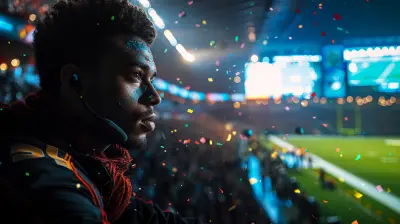
The Globalization of Fan Culture: Supporting Teams Across Borders
9 May 2026
Sports have always had the power to unite people, but in today's world, fan culture is no longer limited by geography. Thanks to digital advancements, international leagues, and social media, supporting a team from across the globe is easier than ever. Whether it's a Manchester United fan in India, a Los Angeles Lakers supporter in Germany, or a Real Madrid enthusiast in Brazil, fandom knows no borders.
But what’s driving this massive shift in fan culture? And how is it shaping the sports world? Let’s break it down. 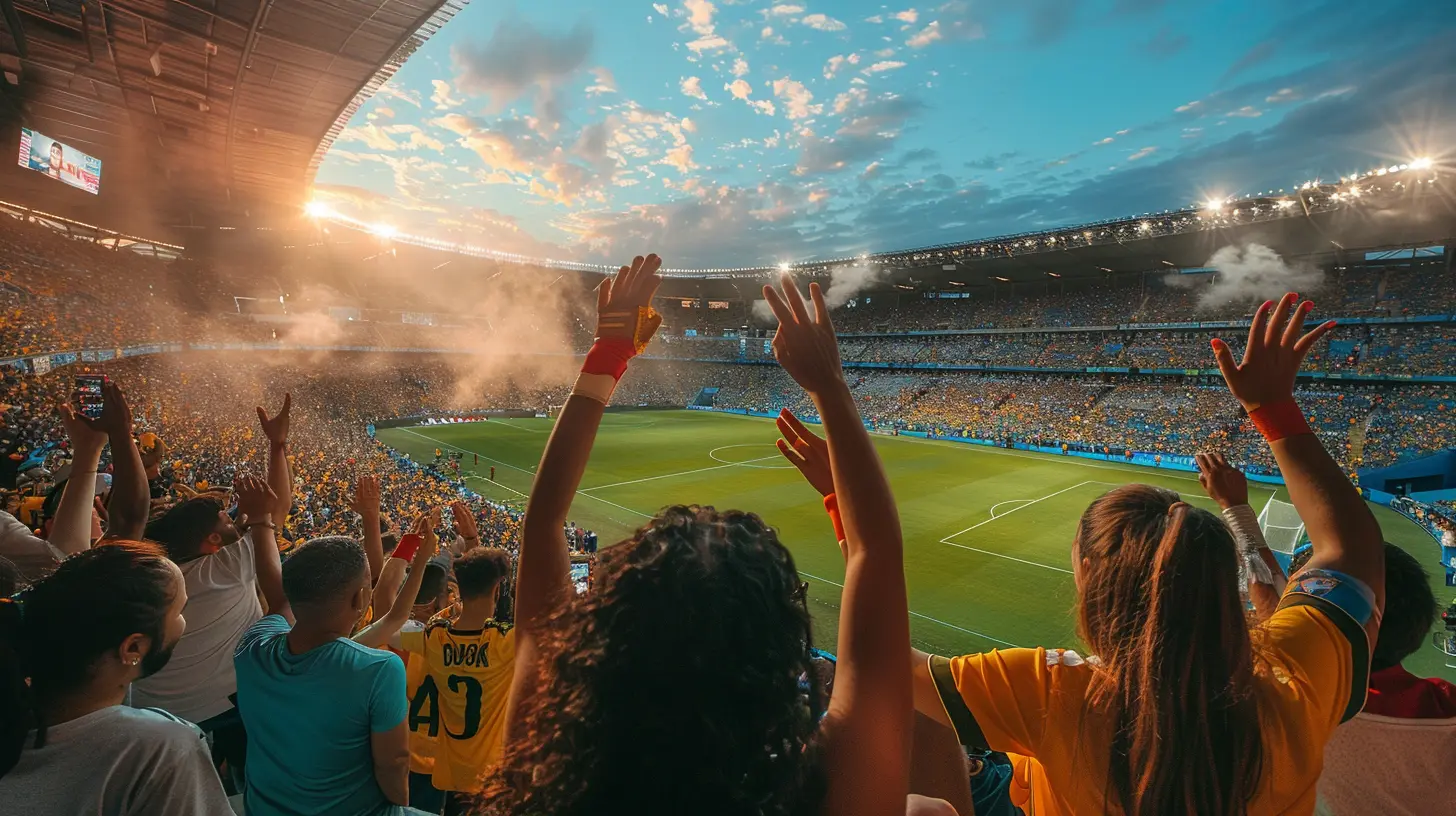
The Rise of Global Fan Culture
A Digital Revolution in Sports Fandom
Back in the day, supporting a team meant showing up at the stadium, listening to radio broadcasts, or catching highlights on TV. But now? The internet has changed everything.With streaming services, social media platforms, and instant updates, fans can follow their teams in real-time no matter where they live. Want to watch an NBA game in the middle of the night in Tokyo? No problem. Need to check live scores while commuting in São Paulo? Easy. The barrier of distance has been completely erased.
Social media, in particular, has played a huge role. Twitter, Instagram, and TikTok allow international fans to engage directly with players, teams, and fellow supporters. Hashtags like #GGMU or #ForzaJuve connect fans worldwide in ways that were impossible just a decade ago.
Merchandise and Branding: Wearing Loyalty on Your Sleeve
Globalization has also turned team merchandise into a cultural phenomenon. Walk into a mall in Africa, Asia, or South America, and you’ll see jerseys from the English Premier League, the NFL, or even the MLB.Merch isn’t just about showing support; it’s a fashion statement, a lifestyle choice. From official jerseys and scarves to limited-edition sneakers and caps, wearing your team's colors is a way of expressing identity. Clubs recognize this too, making sure their branding reaches fans across continents with special edition kits and collaborations with top designers. 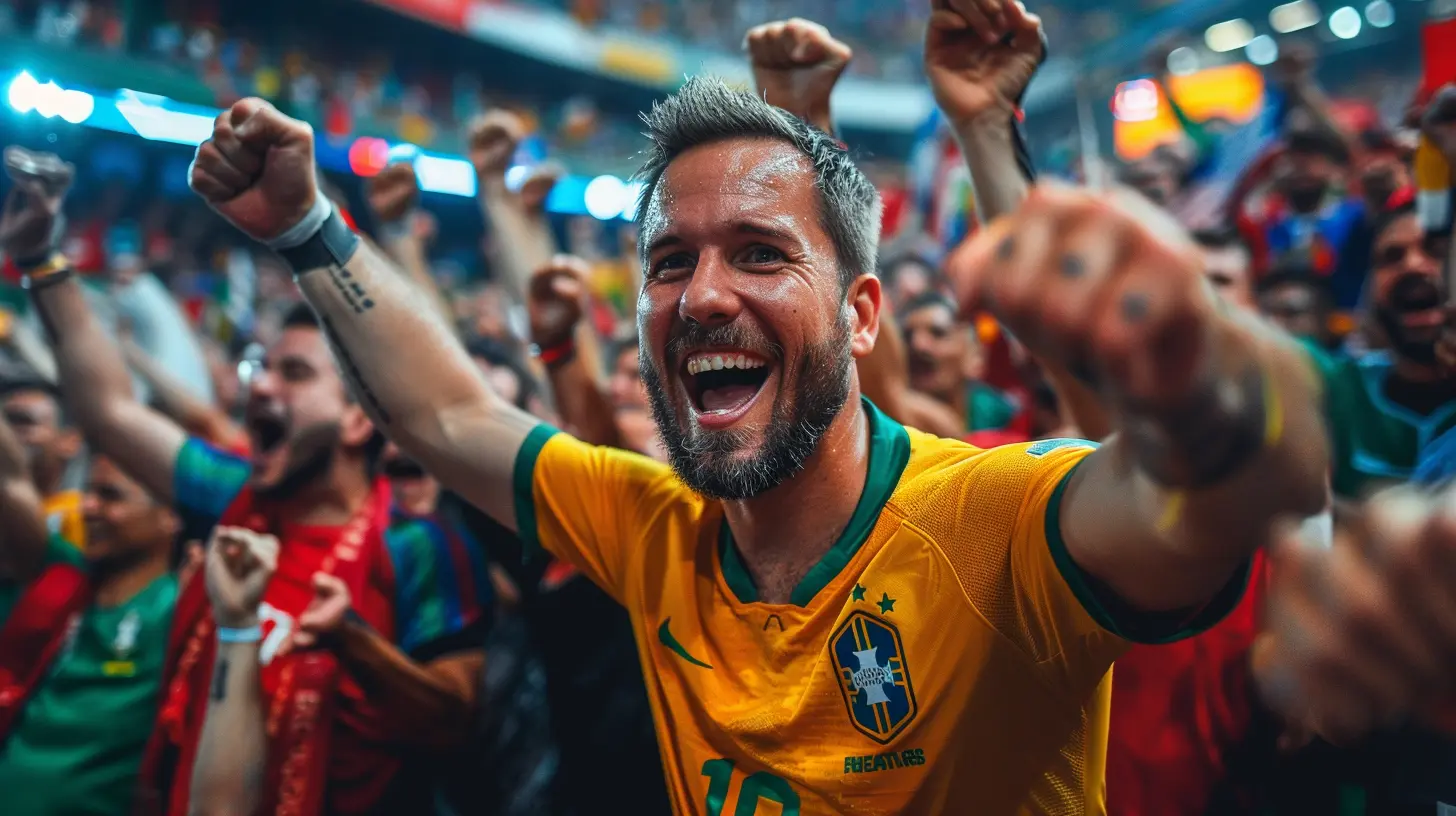
Why Do Fans Support Teams From Other Countries?
Legendary Players and Global Icon Influence
Players like Lionel Messi, Cristiano Ronaldo, LeBron James, and Tom Brady transcend the game. They’re not just athletes—they’re global superstars. Kids in Indonesia, Nigeria, or Canada grow up idolizing them, naturally gravitating toward their clubs.Take the example of David Beckham. His move to Real Madrid, then to LA Galaxy, and later Paris Saint-Germain wasn’t just about football—it was a marketing masterstroke. Clubs use superstar signings to expand their global fanbase, making sure their influence reaches every corner of the planet.
The Role of Video Games in Shaping Fandom
Believe it or not, video games like FIFA, NBA 2K, and Madden NFL play a huge role in global fan culture. Many young fans first connect with a team through gaming before watching a live match.Ever played FIFA, picked Barcelona in Career Mode, and suddenly found yourself watching La Liga games? You’re not alone. Gaming is often the first step in building loyalty to a team thousands of miles away.
International Tournaments and Pre-Season Tours
Tournaments like the World Cup, Euros, or the Champions League showcase club and national teams to global audiences. Fans who watch these events often pick a favorite team and stick with them.On top of that, pre-season tours are marketing goldmines. Clubs travel to Asia, the U.S., and Africa, playing friendly matches and meeting fans. These events create strong emotional connections, turning casual viewers into lifelong supporters. 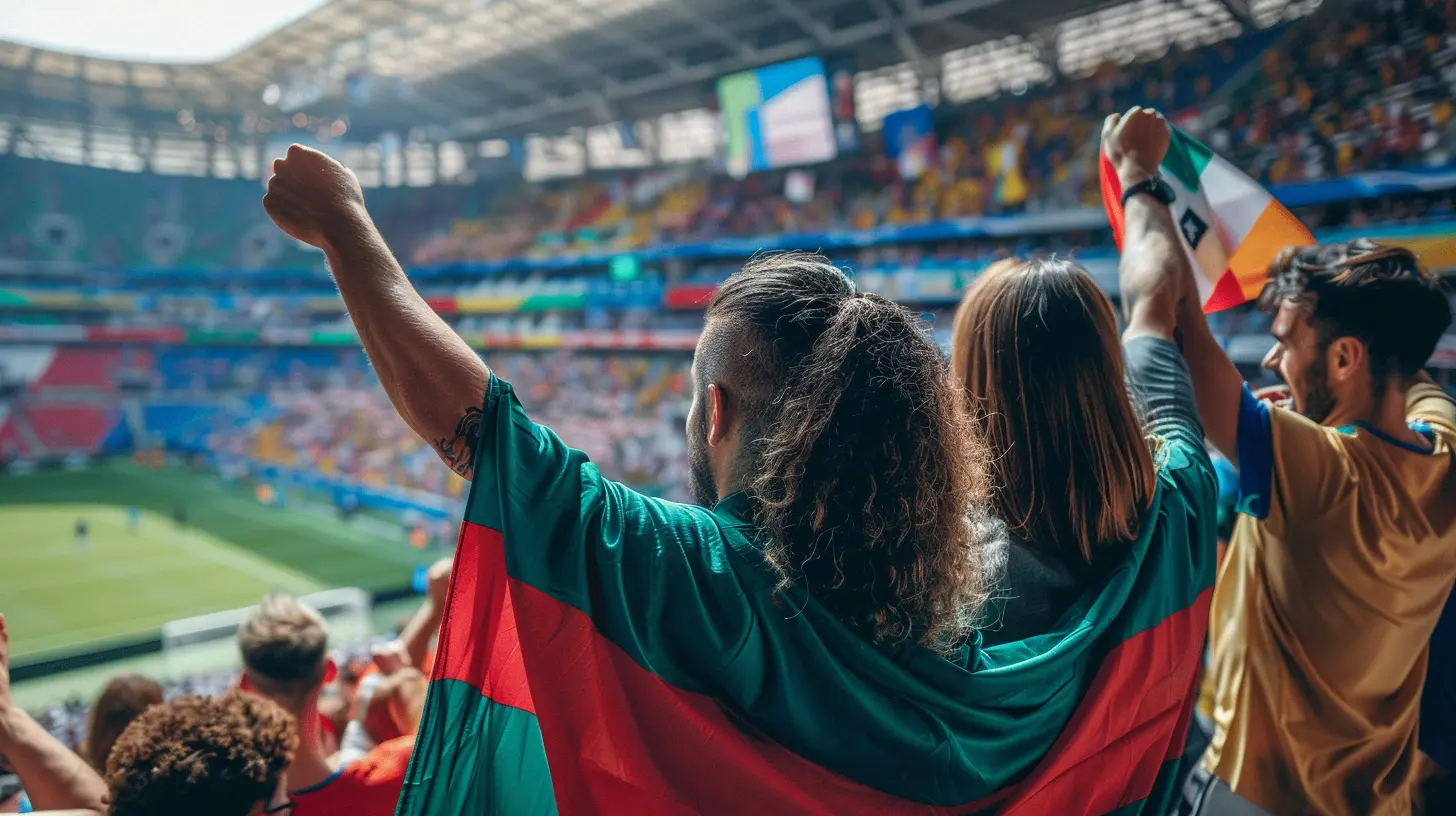
The Challenges of Being an International Fan
While globalization has made it easier to follow teams across borders, it hasn't been without challenges.Time Zone Struggles
One of the toughest aspects of supporting a foreign club is dealing with time zones. Imagine being a Liverpool fan in Australia—most matches happen at ridiculous hours. Waking up at 3 AM to watch a game? That’s dedication.The Lack of a Local Fan Community
Watching a game in a packed stadium is an unforgettable experience. But for international fans, that’s not always possible. Many have to rely on online forums, fan clubs, or local sports bars to recreate the matchday atmosphere.The "Plastic Fan" Stigma
A common criticism international fans face is being labeled as "plastic fans" or "bandwagon supporters." Some die-hard local supporters believe true loyalty comes from being born and raised in a team's city. But does physical proximity determine passion? Not really. Passion is passion—no matter where you're from.
The Impact of Global Fandom on Sports
Financial Growth and Investment
International fanbases bring massive commercial benefits. Broadcasting rights, sponsorships, merchandise sales, and ticketed international friendlies generate billions. Leagues like the Premier League, NBA, and NFL actively market themselves in foreign countries because they know the potential revenue is huge.The Way Clubs Engage With Fans
Clubs are no longer just hometown franchises; they’re global brands. This shift has changed how they communicate with fans.- Multilingual Social Media: Teams now have dedicated social media accounts in languages like Spanish, Chinese, Arabic, and Portuguese.
- International Fan Clubs: Many elite teams have official fan clubs worldwide, organizing meet-ups, watch parties, and interactive events.
- Customized Content: Clubs tailor their content to global audiences. A post celebrating Lunar New Year? A Diwali-themed jersey? These gestures strengthen connections with international supporters.
The Evolution of Football, Basketball, and Beyond
The influx of worldwide fans has changed how sports are played. Clubs are more open to international talent scouting, and rule changes often take global viewership into account. The Super League debate in football? A lot of it was driven by global expansion strategies.Basketball is another fantastic example. The NBA’s growing influence in countries like China, Canada, and the Philippines has led to more international players making it to the league. Today, stars like Giannis Antetokounmpo (Greece) and Luka Dončić (Slovenia) dominate the game, proving that basketball isn't just an American sport anymore—it's truly global.
The Future of Global Fan Culture
The way fans connect with teams across borders will only continue to evolve.- Virtual Reality (VR) and Augmented Reality (AR): Imagine watching a match with a VR headset, feeling as if you're inside the stadium. Tech innovations will make this possible sooner than we think.
- More Interactive Fan Engagement: Expect clubs to offer exclusive online experiences, like virtual meet-and-greets, behind-the-scenes content, and even voting rights on minor team decisions.
- Expansion of International Leagues: Could we see an NBA team based in Europe? Or a Premier League match officially played in the U.S.? As globalization continues, these ideas might not be so far-fetched.
Final Thoughts
The globalization of fan culture has transformed the way we support teams. No longer restricted by geography, fans can pledge their loyalty to clubs from any corner of the world. Whether you're cheering for Bayern Munich from Mexico or supporting the Boston Celtics from France, your passion is just as valid as someone in the home stadium.And as technology keeps improving, the sports world will become even more connected. The future of fandom? Boundless.
all images in this post were generated using AI tools
Category:
Fan CultureAuthor:

Nelson Bryant
Discussion
rate this article
2 comments
Vanya McQuiston
It's great to see how fan culture connects people worldwide. Supporting teams together really brings us all closer.
September 12, 2026 at 4:34 AM
Diesel Mendez
Ah, global fan culture. It's like ordering pizza in Italy while you're in a tiny town and your favorite toppings are anchovies and pineapple. You cheer for teams you can't even pronounce and argue with people you would never meet otherwise. But hey, at least we're united in confusion and love for the game!
May 25, 2026 at 11:12 AM
Nelson Bryant
Absolutely, it's wild how sports connect us despite the distance and language barriers. That shared passion really brings people together.