The Future of Live Sports Streaming: Trends You Should Know
28 May 2026
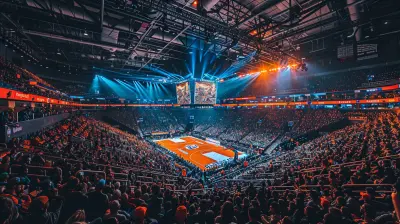
There was a time when watching live sports meant plopping yourself on the couch at just the right time, TV remote in hand, trying not to miss a single moment. But times have changed — and fast. With digital platforms, high-speed internet, and a growing appetite for on-the-go entertainment, live sports streaming is practically redefining how we experience the game.
So, let’s talk about what’s really going on. Where is this all headed? What should sports fans, streamers, and even creators be paying attention to? Grab your favorite jersey and snack, because we’re diving deep into the future of live sports streaming — and yes, it's wild.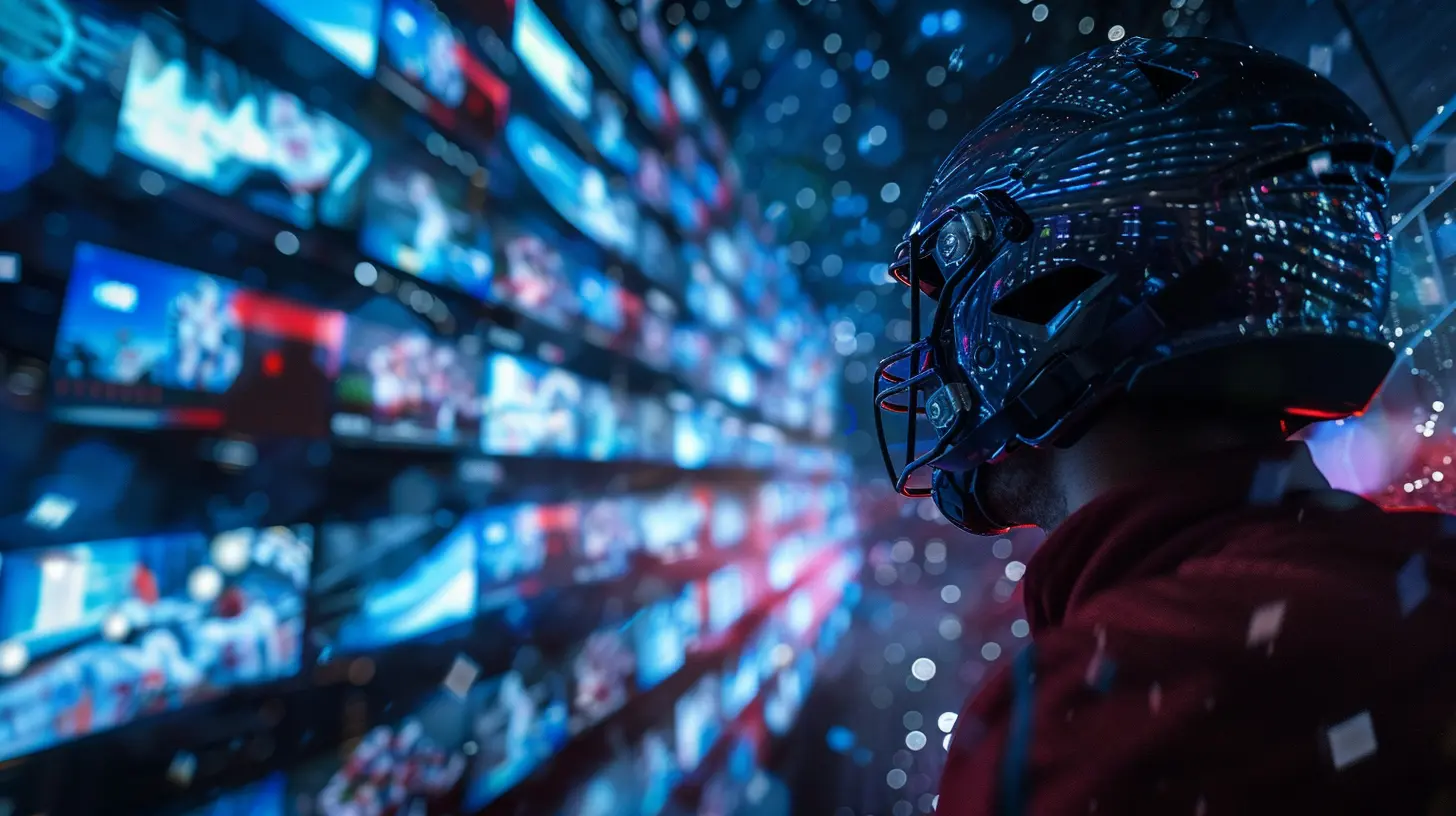
The Streaming Revolution: How Did We Get Here?
Before we start predicting the future, let’s rewind a bit.Not too long ago, sports were strictly the domain of cable TV deals and satellite services. If you didn’t have that premium package, you were out of luck. But then came the digital era. Netflix, YouTube, and social media platforms flipped the script on traditional content. Naturally, live sports had to follow.
Suddenly, watching your favorite team play didn’t require a dish on your roof. All you needed was a device and Wi-Fi — boom, game on. This shift wasn’t just about convenience; it was a cultural movement. People wanted flexibility, personalization, and control.
Which brings us to where we are now: smack in the middle of a live sports streaming renaissance.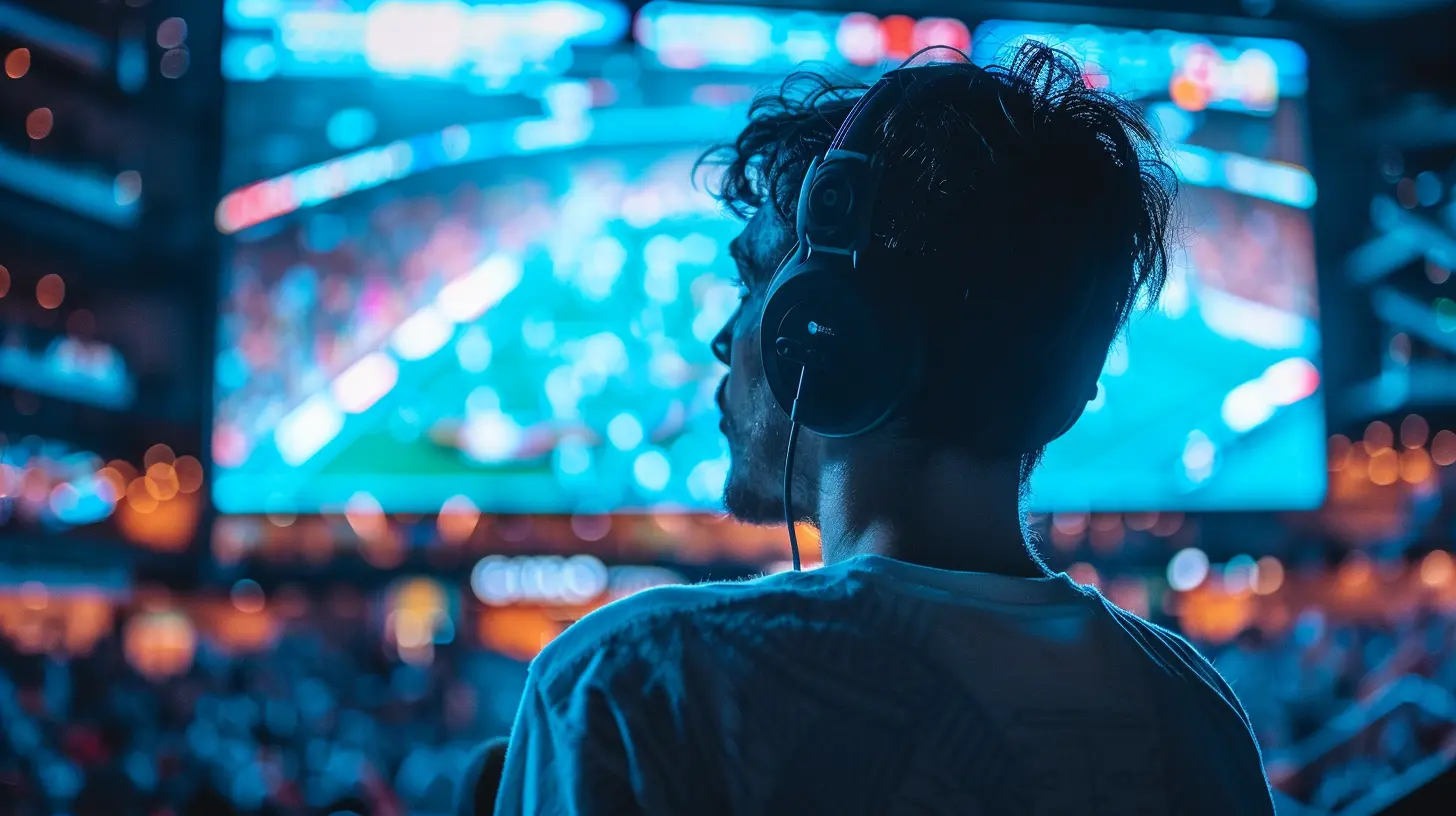
1. More Platforms, More Power to the People
Now here’s the deal — gone are the days when sports fans were stuck with one or two options. These days, you’ve got a buffet of platforms offering high-quality sports coverage.a. Big Tech is All In
Tech giants like Amazon, Apple, and Google are muscling their way into sports streaming. Amazon Prime Video is already airing NFL games, and Apple made waves with its MLB streaming deal. These companies aren’t just dipping their toes in — they’re diving headfirst.Why? Because sports content drives serious engagement. Fans are loyal, they show up consistently, and they spend cash on subscriptions and merchandise. That’s gold for platforms looking to hang onto users.
b. Niche Streaming Services Are Rising
On the flip side, niche players are carving out their own space. Think of services like DAZN or FloSports. They’re catering to specific audiences — boxing, MMA, cycling, and even emerging sports — giving fans exactly what they want without the fluff.With this trend, viewers no longer have to pay for a bloated package just to watch one sport. It’s all about personalization now.
2. The Second Screen is Now the First
Ever watched a game while checking Twitter, texting your buddies, or scrolling through memes? Congrats, you’re part of the second-screen generation.a. Real-Time Interaction
Today’s viewers aren’t passive. They want to chat, bet, react, and engage — all in real time. Live chats, polls, and instant reactions are turning sports streaming into a social event.Platforms are catching on, too. Twitch and YouTube Live are mixing traditional broadcasts with influencer commentary, live Q&A, and real-time fan engagement. It’s like watching the game with a stadium full of friends — even if you’re alone on your couch.
b. Betting and Fantasy Sports Integration
Oh yes, sports betting and fantasy leagues are big — and they’re getting baked right into streaming platforms. Now you can place live bets or change your fantasy lineup mid-game without ever leaving the app.It’s engagement on steroids. And let's be honest, it makes the game a whole lot more thrilling.
3. AI and Personalization: The Game Just Got Smarter
You know how Netflix recommends shows you didn’t even know you wanted to watch? The same thing is happening with sports streaming.a. Smarter Suggestions
Artificial Intelligence is personalizing everything. Based on your past viewing habits, your favorite team, or even the players you Google — your streaming service can suggest content that’s more relevant and exciting for you.Maybe it’s a documentary about your favorite quarterback. Or a behind-the-scenes look at the club you support. The point is: they’re figuring out how to keep you hooked.
b. Tailored Viewing Experience
AI is also being used for alternate camera angles, highlight reels, and real-time stats. Imagine choosing your own viewing angle or getting a dynamic stat overlay based on your favorite player. That’s not futuristic talk — that’s happening now.4. Mobile-First, Because Who Sits Still Anymore?
Let’s face it: most of us watch stuff on the go. Whether it's during a commute, at work (don’t worry, we won’t tell), or at the gym — mobile viewing is massive.a. Compact Yet Powerful
Streaming apps are being optimized for mobile, offering stunning video quality, intuitive interfaces, and minimal lag. No more wonky buffering or cluttered screens.Plus, with 5G rolling out worldwide, live content is now faster, smoother, and more accessible than ever.
b. Vertical Video and Short Clips
Platforms like TikTok and Instagram have changed how we consume content. And now sports are playing catch-up. Quick highlights, game recaps, and bite-sized interviews — all in vertical format — are becoming standard.Expect to see even more short-form sports content designed specifically for mobile users.
5. Virtual Reality and Augmented Reality: Watch Like Never Before
Okay, now we’re entering the cool sci-fi zone.a. Immersive Viewing
VR is making it possible to feel like you’re courtside even if you’re halfway across the world. Companies like NextVR and Oculus are experimenting with real-time, 360-degree sports broadcasts.Imagine watching the NBA finals from a front-row seat — while sitting in your pajamas.
b. Augmented Insights
AR overlays can show player stats, shot trajectories, and field diagrams — all while you’re watching the game. It’s like having a coach whispering in your ear, giving you inside intel.We’re talking serious next-level viewing here.
6. Content Creators and Influencers Are Becoming Part of the Show
It’s not just the athletes getting screen time anymore. Content creators, podcasters, and influencers are joining the broadcast table.a. Alternative Commentary
Sick of the same old in-game analysis? Platforms are mixing in fan-led commentary, influencer reactions, and even comedian-led streams. It’s fresh, fun, and appeals especially to younger audiences.b. Behind-the-Scenes Access
Creators often bring you closer to the action — exclusive interviews, locker room footage, or fan meetups. They’re blurring the line between media and fandom.And it’s working.
7. Blockchain and NFTs: Digital Collectibles Take the Field
Say what you want about NFTs, but sports fans are embracing digital collectibles like never before.a. Tokenized Experiences
From limited edition digital trading cards to virtual game-worn jerseys, NFTs are offering a new way to own a piece of your favorite moment in sports history.b. Blockchain Ticketing
Blockchain can make ticket fraud a thing of the past. It offers secure, transparent transaction records — which is a blessing for big events where every seat counts.Plus, resale becomes easier and more trustworthy.
8. Subscription Overload: The Streaming Wars Are Real
Let’s be real — with all these shiny new platforms comes one big downside: paying for all of them.a. Bundling is Back
To combat subscription fatigue, we’re seeing bundling making a comeback. Services are packaging sports with entertainment or throwing in multiple leagues under one umbrella.b. Freemium Models
Some platforms are testing free tiers supported by ads, giving fans access while still generating revenue. It’s a win-win — especially for casual viewers who don’t want to commit just yet.9. Globalization of Sports: Borderless Viewership
Gone are the days when you could only watch the sports that were big in your own country.a. International Leagues, Local Fans
You could be watching English Premier League soccer in the US, NBA in Japan, or IPL cricket in Canada — all live and with localized commentary.Streaming erases borders, and the appetite for global sports is massive.
b. Multilingual Support
Streaming services are adding multi-language options, diverse commentary teams, and subtitles. It’s all about making content accessible to wider audiences.Final Whistle: What It All Means
The future of live sports streaming isn’t just about better resolution or faster load times. It’s about making sports more personal, more immersive, and more engaging than ever before.From AI-driven replays to VR viewing, from influencer-led commentary to blockchain-powered tickets — we're moving into an era where the fan experience is front and center.
Sure, the landscape is crowded, and yes, the choices can feel overwhelming. But at the end of the day, it’s all about giving fans what they want: instant access, relevant content, and deeper connections to the teams and games they love.
So, whether you’re a weekend warrior, stat junkie, or casual scroll watcher, there’s never been a better time to be a sports fan.
Game on.
all images in this post were generated using AI tools
Category:
Live StreamingAuthor:

Nelson Bryant
Discussion
rate this article
1 comments
Lira McMeekin
As technology evolves, the connection between fans and live sports will deepen, transforming the viewing experience forever.
June 10, 2026 at 3:40 AM
Nelson Bryant
Absolutely, the evolution of technology is set to reshape how fans engage with live sports, making the experience more immersive and interactive than ever.