The Evolution of Sports Streaming: From TV to Digital
19 July 2026
Remember the days when watching your favorite sports team meant being glued to the TV at a specific time, on a specific channel, with no room for error or flexibility? You miss the game, you miss it all. That was the reality for sports fans not too long ago. But, oh, how times have changed! Today, thanks to advancements in technology, we live in a world where you can catch the big game on the go, from your phone, tablet, or laptop, wherever you are.
Sports streaming has come a long way, and it's evolving faster than anyone could have predicted. From the early days of television broadcasts to the digital age of on-demand live-streaming, the way we consume sports content has transformed dramatically. Let’s dive deep into this fascinating journey from traditional TV to digital streaming and explore how technology has reshaped the sports viewing experience.
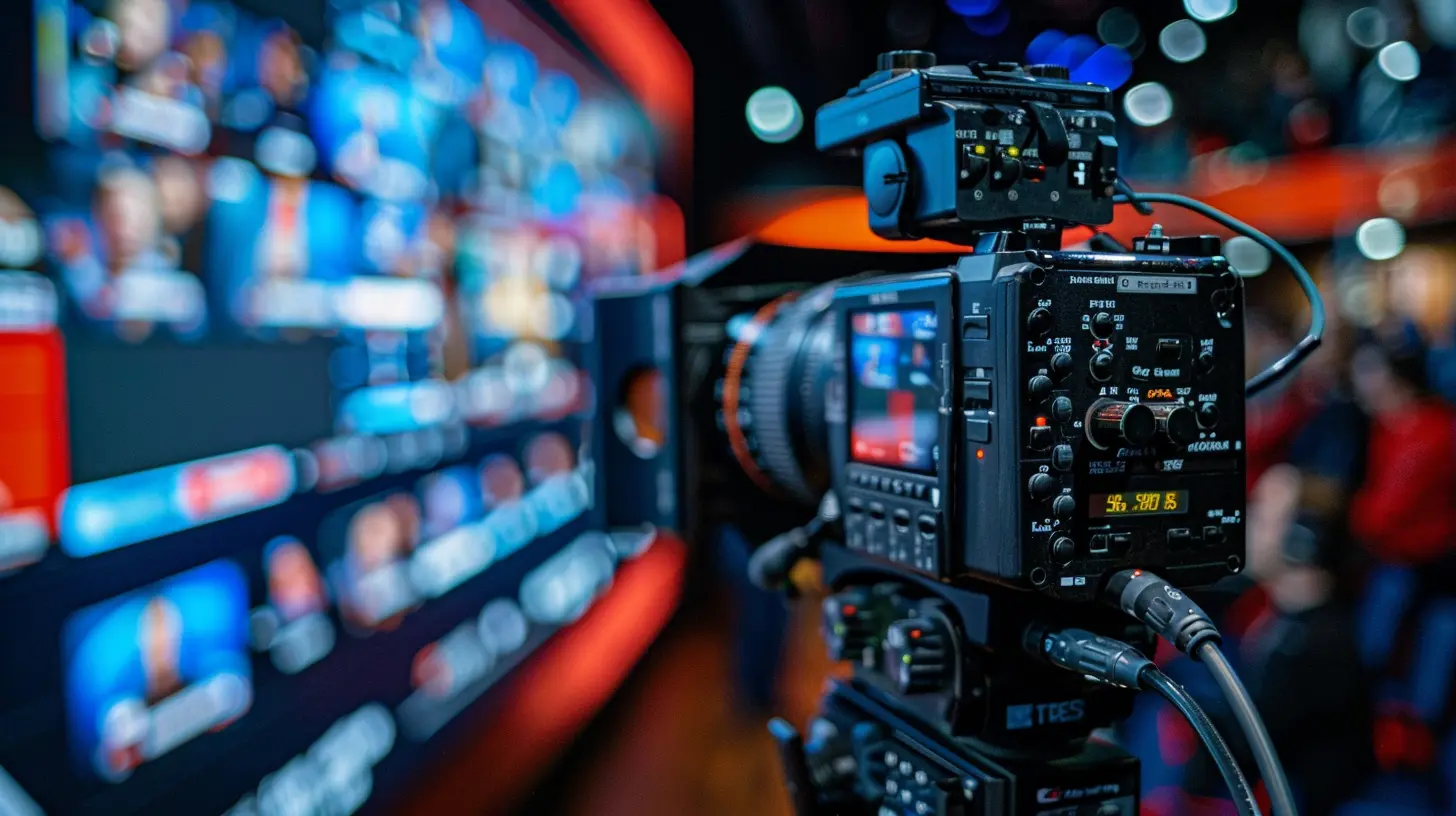
The Golden Era of TV: When Everything Was Simple
Back in the day, TV was the king of sports. If you wanted to catch an NBA game, watch the NFL Super Bowl, or witness an intense soccer match, you’d flip through channels, tune in, and sit back as the action unfolded. It was straightforward, and for a long time, this was the only way to watch live sports.Television networks like ESPN, CBS, and FOX dominated the sports broadcasting scene. They held exclusive rights to major sporting events, and honestly, they had a monopoly over sports fans. Sure, you had to deal with commercials and sometimes inconvenient broadcast times, but it was the best option available.
However, while TV was great, it wasn’t without its flaws. Fans were often tethered to their living rooms, and if you weren't home or near a TV set, you missed out. Recordings and highlights helped a bit, but they couldn’t replace the thrill of watching the game live.

The Rise of the Internet: A Game-Changer for Everyone
Then came the internet, and the world of sports streaming started to shift. When YouTube launched in 2005, people began uploading sports clips, highlights, and even full games. Suddenly, fans could rewatch their favorite moments with just a few clicks. It was a game-changer.But it didn't stop there. As broadband internet became more widespread, the idea of streaming live sports over the internet became not only possible but inevitable. It wasn’t long before sports leagues and networks began experimenting with online broadcasts.
ESPN was one of the first major networks to dip its toes into streaming with the launch of ESPN360 (later renamed ESPN3) in 2005. This marked the beginning of a new era where watching sports wasn’t limited to your TV screen anymore. You could now watch games on your computer, and soon after, on your mobile devices.
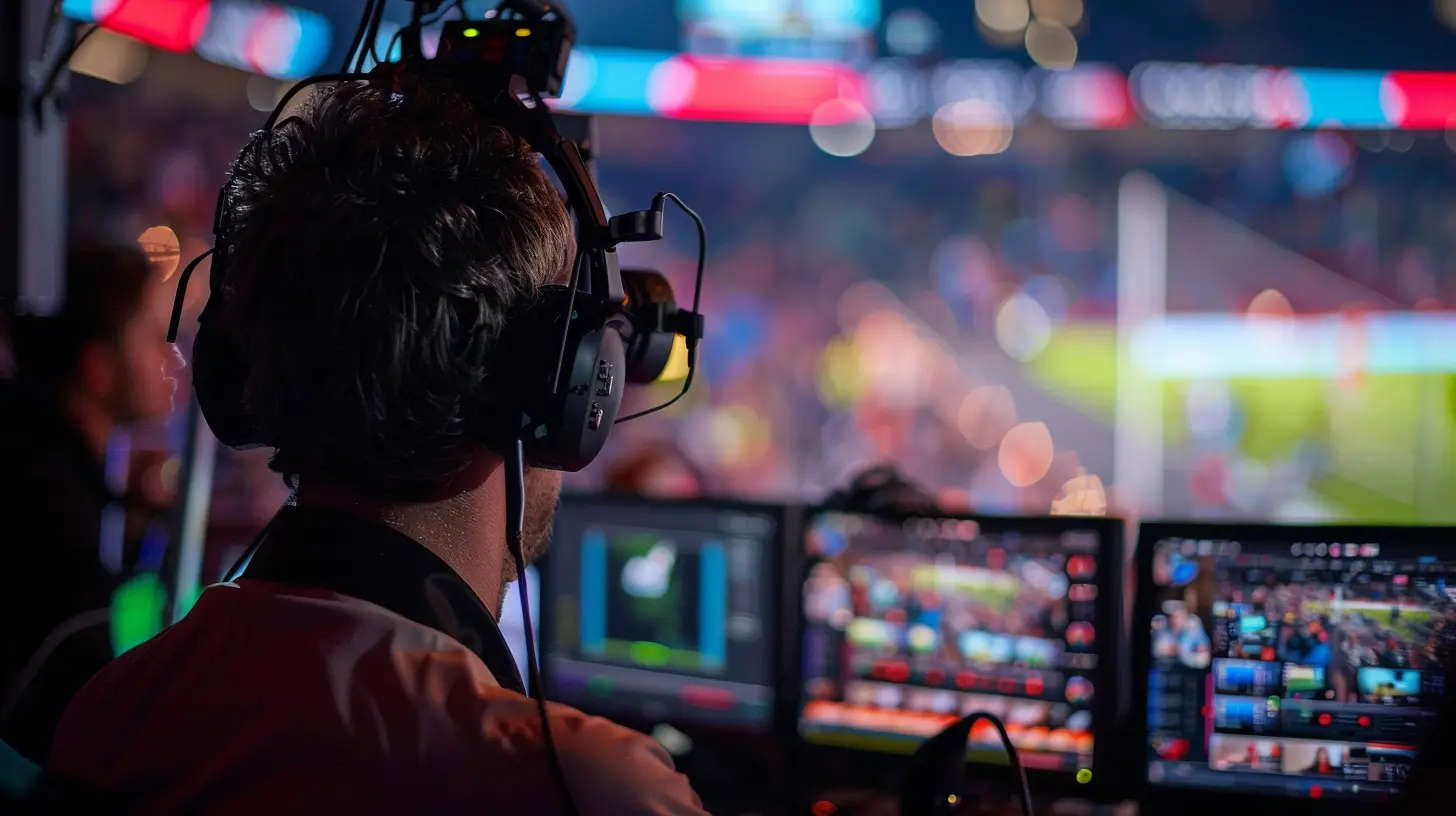
The Birth of Dedicated Sports Streaming Platforms
The early 2010s was when things really started to heat up. Sports streaming platforms began popping up, offering fans a more flexible way to watch their favorite teams. This was also the time when social media platforms like Facebook and Twitter started experimenting with live-streaming sports events.Services like DAZN, FuboTV, and Sling TV emerged, specifically catering to sports enthusiasts who wanted more control over how and where they watched games. These platforms gave fans the ability to stream live sports from various leagues, both local and international, without the need for a traditional cable subscription.
But the real kicker? You could watch on multiple devices—whether that was your smartphone, tablet, laptop, or even smart TV. Sports streaming was no longer confined to a single screen in your living room. It was portable, versatile, and most importantly, on-demand.

The Explosion of OTT (Over-The-Top) Content
Let’s talk about OTT content. If you’ve never heard the term before, OTT stands for “over-the-top,” referring to content that is delivered directly to consumers via the internet, bypassing traditional cable or satellite television providers. And sports leagues were quick to jump on this trend.Take the NFL Game Pass, for example. It allows fans to stream live games, replays, and exclusive content—all without needing a cable subscription. The NBA offers a similar service through NBA League Pass, where you can stream live games in HD, watch condensed replays, and access special camera angles. These services were designed with the die-hard sports fan in mind, offering a highly personalized viewing experience.
OTT platforms have completely disrupted the sports streaming landscape. Why? Because they give consumers the power to choose. No more paying for expensive cable bundles just to watch a few games. With OTT services, you pay for what you want and nothing more.
Social Media and Sports Streaming: A Match Made in Heaven
It was only a matter of time before social media platforms entered the sports streaming scene. Platforms like YouTube, Facebook, and Twitter have all experimented with live-streaming sports events, and it’s been a massive success.For example, Twitter partnered with the NFL to live-stream Thursday Night Football games in 2016. This groundbreaking move allowed millions of users to watch games directly from their Twitter feed, proving that social media could be a legitimate player in the sports streaming world.
And let’s not forget about YouTube. With its dedicated sports channels, YouTube has become a go-to platform for sports highlights, analysis, and even live games. The YouTube TV service, launched in 2017, offers a full slate of live sports channels, including ESPN, FOX Sports, and NBC Sports, all in one place.
Social media has also given rise to real-time fan interaction. It’s not just about watching the game anymore; it’s about being part of the conversation. Fans can tweet, comment, and react to key moments as they happen, creating a more interactive and communal viewing experience. It’s like watching the game with millions of people all at once.
The Role of Technology: 4K, VR, and Beyond
Technology is driving the evolution of sports streaming, and we’re just scratching the surface. With advancements in internet speeds, video quality has improved dramatically. Today, fans can stream live sports in 4K resolution, offering a crystal-clear, immersive viewing experience.And if you think that’s impressive, just wait until you experience virtual reality (VR) sports streaming. Companies like NextVR are already offering VR broadcasts of sports events, allowing fans to feel like they’re sitting courtside or in the front row at a football game—all from the comfort of their homes.
VR is still in its early stages, but its potential is enormous. Imagine being able to switch between camera angles, zoom in on the action, or even walk onto the virtual field and see the game from a player’s perspective. The possibilities are endless, and it’s only a matter of time before sports streaming evolves into a fully immersive, 360-degree experience.
The Impact of COVID-19: Accelerating the Shift to Digital
We can’t talk about the evolution of sports streaming without mentioning the COVID-19 pandemic. The global sports industry was hit hard by the pandemic, with stadiums closing their doors and many live events being postponed or canceled altogether. Fans were left with no choice but to turn to digital platforms to get their sports fix.During this period, streaming platforms saw a massive surge in viewership. Fans were eager to watch archived games, highlights, and virtual events, and streaming services were quick to meet the demand. Some leagues even turned to Esports and virtual competitions to keep fans engaged.
The pandemic accelerated the shift to digital, and many fans who may have been hesitant to adopt streaming as their primary way of watching sports have now fully embraced it. What's more, even as live events have returned, many fans continue to prefer the flexibility and convenience that streaming offers.
The Future of Sports Streaming: What's Next?
So, what does the future hold for sports streaming? One thing’s for sure: it’s only going to get bigger and better.As internet speeds continue to improve and technology advances, we can expect streaming quality to reach new heights. We’ll likely see more leagues and networks offering exclusive, direct-to-consumer streaming services, cutting out the middlemen altogether.
Interactivity will also play a key role in the future of sports streaming. Imagine being able to place live bets, get real-time stats, or even participate in virtual fan zones while watching a game. The integration of AI and personalized content recommendations will make the experience even more tailored to individual preferences.
And let’s not forget about the possibility of 5G. With lightning-fast 5G networks being rolled out across the globe, buffering and lag will soon be things of the past. You’ll be able to stream live sports in the highest quality, with zero delay, no matter where you are.
Conclusion: The Evolution Continues
In a span of just a few decades, sports streaming has evolved from static TV broadcasts to dynamic, multi-platform experiences that cater to fans' every whim. With mobile devices, social media, OTT platforms, and cutting-edge technology, fans now have more options than ever before.The evolution of sports streaming isn't just a trend—it's a revolution. We've come a long way from the days of huddling around the TV, and the journey is far from over. It’s an exciting time to be a sports fan, and the future of sports streaming promises to be even more thrilling.
all images in this post were generated using AI tools
Category:
Live StreamingAuthor:

Nelson Bryant
Discussion
rate this article
1 comments
Gideon Lozano
It's fascinating to see how sports streaming has transformed our viewing experience. No more missing the big game due to a busy schedule-just click and enjoy!
July 21, 2026 at 4:48 AM
Nelson Bryant
Absolutely! The convenience of streaming has changed how we connect with sports, making it easier than ever to catch every moment.