The Evolution of Skateboarding: From Sidewalks to Vert Ramps
7 May 2026
Skateboarding — it's not just a sport; it's a culture, a rebellion, a creative outlet, and for many, a way of life. It’s wild to think that what started as a simple way for surfers to pass time when the waves were flat has turned into a global phenomenon. That little wooden board with four wheels has cruised through decades of transformation — from a toy for kids to an Olympic event making headlines.
So, how exactly did we go from carving sidewalks to launching off vert ramps? Sit back (or drop in), because we’re about to roll through the history and evolution of skateboarding — a ride filled with innovation, attitude, and pure adrenaline.
The Humble Beginnings: Surfing on Pavement
Let’s rewind to the late 1940s and early ‘50s. Picture sunny California, surfers lined up waiting for waves that never come. That frustration? It gave birth to a wild idea — what if surfing could be done on land?And boom — skateboarding was born.
The first boards were rough around the edges. Literally. Think wooden planks with roller skate wheels nailed to the bottom. No grip tape. No kicktails. Just raw, clunky, and totally thrilling. This so-called “sidewalk surfing” caught on quickly, especially among surfers craving a similar rush on dry land.
The 1960s: Skateboarding Takes Its First Breaths
Skateboarding’s early rise was surprisingly fast. In the 1960s, companies started to catch on, producing commercially available boards that were sturdier and actually designed for skating — not just a Frankenstein mash-up of skate parts.Magazines like The Quarterly Skateboarder started popping up, and small competitions were being held. But here's the thing — it was still treated more like a fad than a serious sport. Kind of like the hula hoop or yo-yos. Kids loved it. Parents? Not so much.
By the end of the decade, interest fizzled out. Safety concerns, poor equipment, and a lack of real infrastructure caused skateboarding to take a back seat.
But it wasn’t over. Not by a long shot.
The 1970s: The Radical Revolution
Alright, this is where things get interesting.The 1970s were a game-changer, thanks to the invention of urethane wheels. Before that, skateboard wheels were made of clay — can you imagine the ride? Rough, slippery, and definitely not smooth. Urethane changed all that. Suddenly, skating was faster, smoother, and way more fun.
And then came the Zephyr Team — aka the Z-Boys from Dogtown (a gritty area in Southern California). These guys didn’t just skate; they attacked the asphalt. They used aggressive surf-style moves and pushed the boundaries of what could be done. Empty backyard pools became battlegrounds. And from there? The rise of vertical skating — or vert — was born.
Pro tip: If you’ve never watched the documentary Dogtown and Z-Boys, add it to your list. It's raw, real, and totally captures the grit of this era.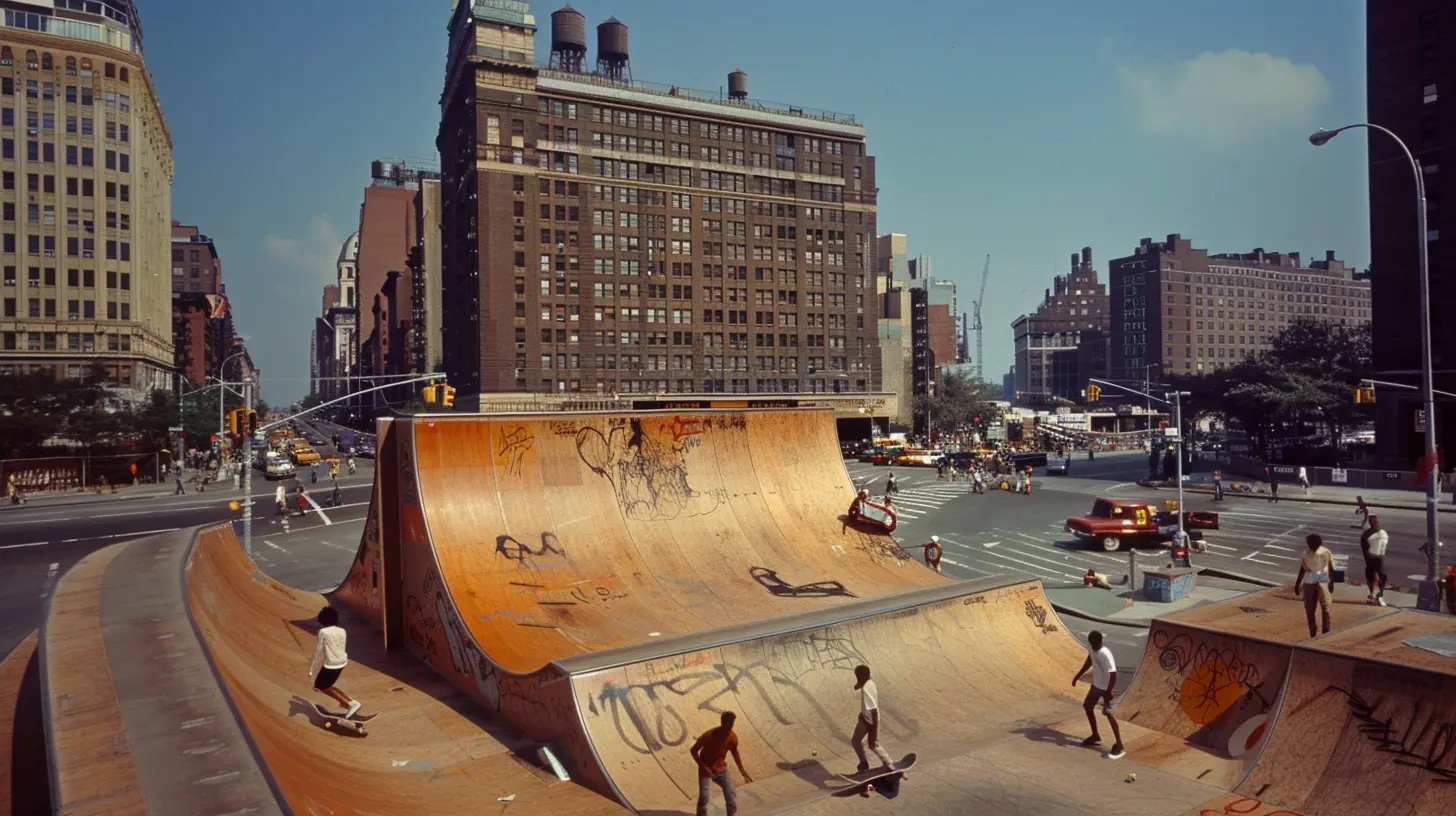
The 1980s: Rise of Vert Ramps and Bigger Moves
When you think 1980s skateboarding, think punk rock, mohawks, and gravity-defying tricks. This era was all about going vertical — literally and figuratively.Skateparks started popping up, and with them came vert ramps — those massive U-shaped structures that let skaters gain enough speed and height to pull off impressive aerials. Tony Hawk, Steve Caballero, and Christian Hosoi turned the vert ramp into a stage. The tricks got crazier. The stakes got higher.
This was also when skateboarding started to become more than a subculture. There were sponsorship deals, clothing lines, and even skateboarding video games. It was still rebellious, sure, but now it was getting recognition beyond just the underground scene.
The 1990s: Street Skating Takes the Spotlight
Just when vert was peaking, street skating entered the chat.In the '90s, skaters started ditching the ramps and taking it back to the streets. Ledges, handrails, stairs, curbs — the urban environment became a playground. This shift wasn’t just about style; it was about accessibility. Anyone with a board and some grit could skate the streets.
Skaters like Rodney Mullen revolutionized what's possible on flat ground. Kickflips, heelflips, impossibles — tricks that became the building blocks of modern street skating all trace back to him.
At this point, skateboarding wasn’t just a sport. It was a lifestyle. Baggy jeans, flannel shirts, and skate shoes became fashion statements. The vibe? DIY, gritty, and unapologetically real.
The 2000s: Mainstream Meets Underground
By the 2000s, skateboarding had a foothold in mainstream culture. Thanks to the X Games and iconic video games like Tony Hawk’s Pro Skater, people everywhere — even those who’d never stood on a board — knew what a kickflip was.Sponsorships blew up. Brands like Element, DC, and Vans became household names. Skate videos and DVDs were essential viewing. And platforms like YouTube allowed skaters to share their clips with the world. You didn’t need a magazine cover anymore — just a camera and a solid part.
But even with this popularity, skateboarding kept its edge. It stayed raw. Stayed rebellious. It never lost that street credibility that made it cool in the first place.
The 2010s: Social Media & The Olympic Push
Then came Instagram, YouTube, and TikTok. Skateboarding entered the digital age full throttle.Suddenly, skaters from remote corners of the world could go viral overnight. Lines at local spots were filmed, edited, and uploaded within hours. It democratized the scene — anyone with talent and a phone could shine.
But it wasn’t just about likes and followers. Skateboarding was also stepping onto the world’s biggest stage: the Olympics.
In 2021, skateboarding made its debut at the Tokyo Games. Street and park skating were official events, complete with judging, medals, and international glory. It was historic, for sure — but also divisive. Some purists worried skateboarding would lose its soul. Others saw it as long-overdue recognition.
Love it or hate it, there’s no denying — skateboarding had arrived.
Today’s Skate Scene: A Beautiful Mix
So, where are we now?Skateboarding today is more diverse, inclusive, and creative than ever before. Women’s skateboarding is thriving. LGBTQ+ skaters are carving out space like never before. Adaptive skating is on the rise, proving that anyone — regardless of ability — can push boundaries on a board.
From tiny backyard ramps to massive skate plazas, the scene is bursting with energy.
Brands now focus on community-building, mental health, and giving back. Skating isn’t just about tricks anymore — it’s about connection, creativity, and self-expression.
And yeah, those classic vert ramps? They’re still around. They’ve just got some fresh competition from bowls, plazas, mini ramps, and DIY spots made from scraps and concrete.
What’s Next? The Future of Skateboarding
If the past tells us anything, it’s that skateboarding is always evolving. So what does the future hold?We’re already seeing it. Smart boards. AI-assisted training apps. Virtual reality skate simulations. But beyond tech, there’s a deeper trend — a return to roots. A focus on fun over perfection. On style over stats.
Skaters today are remixing everything — blending street, vert, freestyle, and even parkour. It’s not about fitting in a box anymore; it’s about expression. Period.
And that’s what makes skateboarding timeless.
Final Thoughts: More Than Just a Board with Wheels
The evolution of skateboarding is more than tricks and trophies. It’s a story of creativity, resistance, adaptability, and passion. From carving sidewalks to soaring off vert ramps, skateboarding has rolled through cultural shifts and come out stronger every time.Whether you’re a seasoned vet, a park rat, a street skater, or someone just thinking about picking up a board — remember this: skateboarding doesn’t care where you’re from, what you wear, or how good you are. What matters is the ride.
So lace up, grab your board, and keep pushing.
all images in this post were generated using AI tools
Category:
SkateboardingAuthor:

Nelson Bryant
Discussion
rate this article
2 comments
Grant Chavez
Skateboarding went from dodging dogs on sidewalks to soaring over vert ramps. Who knew all that practice avoiding curbs would pay off in style?
September 4, 2026 at 12:48 PM
Nelson Bryant
Absolutely! It's amazing how those early days shaped the skills that led to such impressive tricks. Who would have thought dodging dogs would help with vert?
Raelyn McCall
This article captures the thrilling journey of skateboarding, highlighting its transformation from street culture to a competitive sport. The rise of vert ramps showcases the skill and creativity that have shaped skateboarding into a diverse and dynamic activity.
May 8, 2026 at 4:39 AM
Nelson Bryant
Thanks for your thoughts! I'm glad you enjoyed the journey from street to competition. Skateboarding's evolution really reflects its vibrant culture.