The Evolution of Olympic Track and Field: From Cinder to Synthetic
17 July 2026
Let’s take a deep breath and leap back in time—way back to when Olympic track and field looked a whole lot different than it does today. Ever wonder how athletes back in the early 1900s managed to break records without the high-tech surfaces, aerodynamic gear, and data-driven training methods we rely on now? Yeah, it’s pretty wild to think about.
Today, we’re diving into how Olympic track and field went from the dusty, unpredictable world of cinder tracks to the sleek, lightning-fast lanes of synthetic surfaces. Buckle up—it’s a story filled with coal ash, rubber granules, technological overhauls, and some of the world's greatest athletes pushing limits at every step (literally).
A Brief Jog Through Olympic History
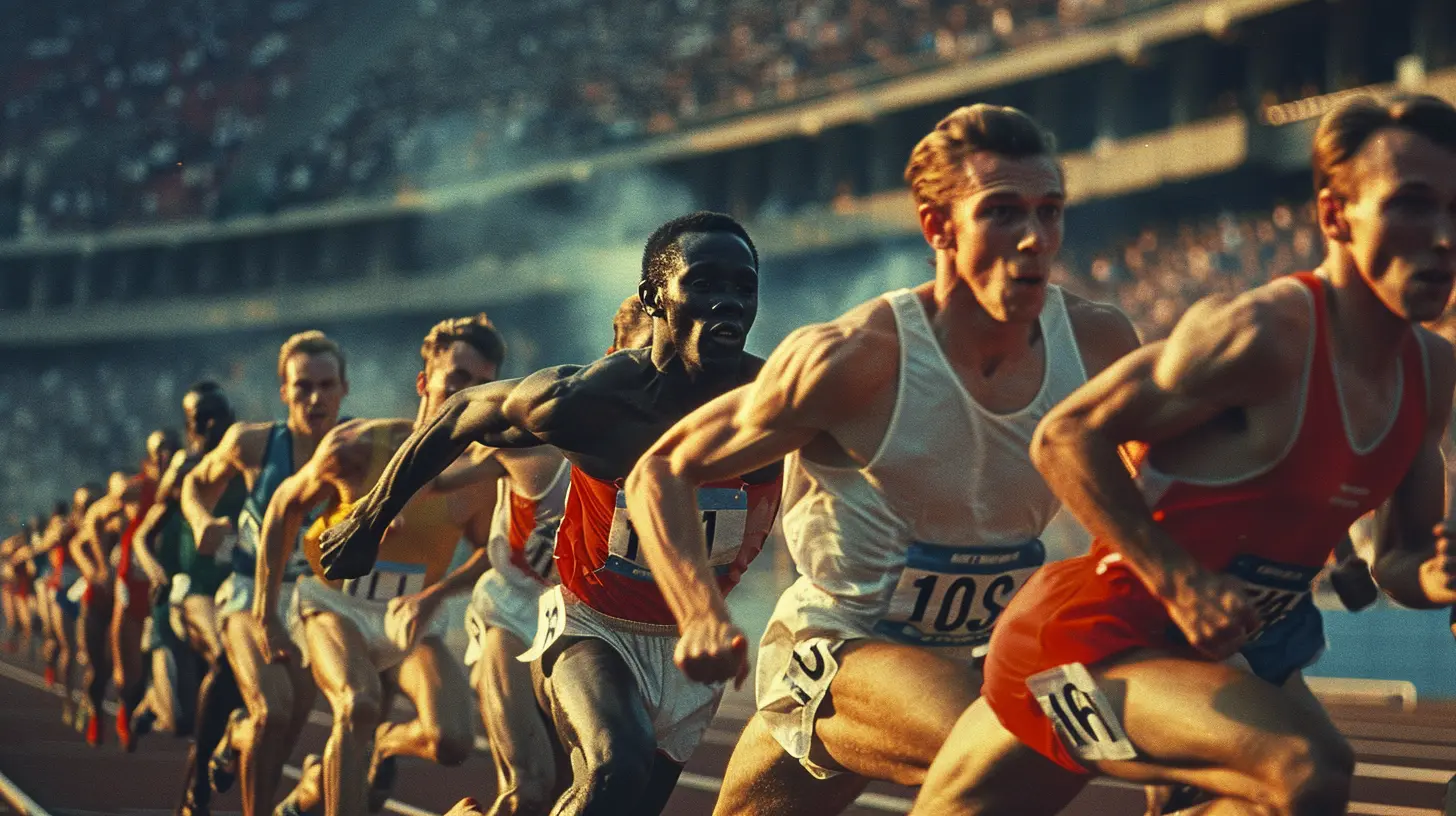
Track and field has been part of the modern Olympics since it kicked off in 1896. But even before that, the sport was a star in the ancient Olympic Games, held in Greece as early as 776 BC. In the early days of the modern Olympics, track events had a very different feel. Picture this: athletes sprinting down uneven, blackened lanes made from cinder—basically burnt coal and ash—trying not to trip over clumps or get bogged down in muddy patches after rain.Cinder tracks were the standard from the early 1900s to the late 1960s. And let’s be honest—they were a bit of a mess. They absorbed water, kicked up dust, and slowed everybody down. But that was the norm, and some of the greatest runners in history launched their careers right off those gritty start lines.
So, What Exactly Is a Cinder Track?
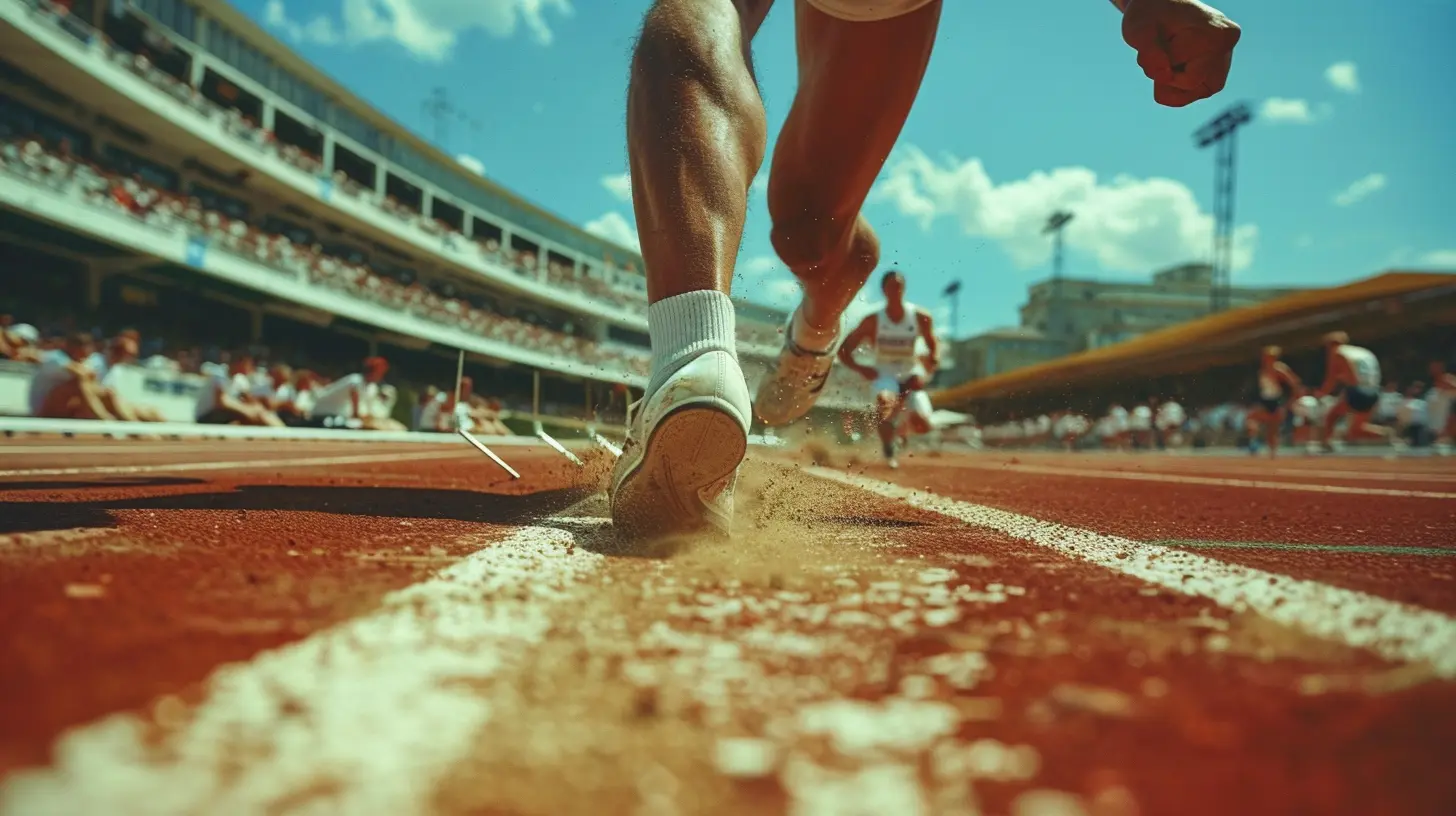
Imagine mixing up some coal ash, sand, dirt, and maybe a few pebbles, then packing it down into a flat oval. Voilà! You've got yourself a vintage Olympic track. Cinder tracks were super cheap and relatively easy to maintain, which made them popular for decades.But they had serious downsides. For starters, they weren't exactly consistent. One part of the track might be rock solid, while another could feel like running on a beach after a storm. If it rained? Forget it. The track turned into a swampy mess. And if it was dry? Runners would be spitting grit for days.
Let’s Talk About Speed
With cinder tracks, everything was slower. Not because athletes weren't training hard—they were—but because the surface just couldn't match the energy return of modern materials. Think about running in sand versus running on a bouncy treadmill. It’s not even close.Despite all that, some incredible achievements happened on those old-school tracks. Jesse Owens, for example, smashed records at the 1936 Berlin Olympics—on a cinder track. That man was flying, even without the aid of modern tech.
Cue the Game-Changer: Synthetic Surfaces
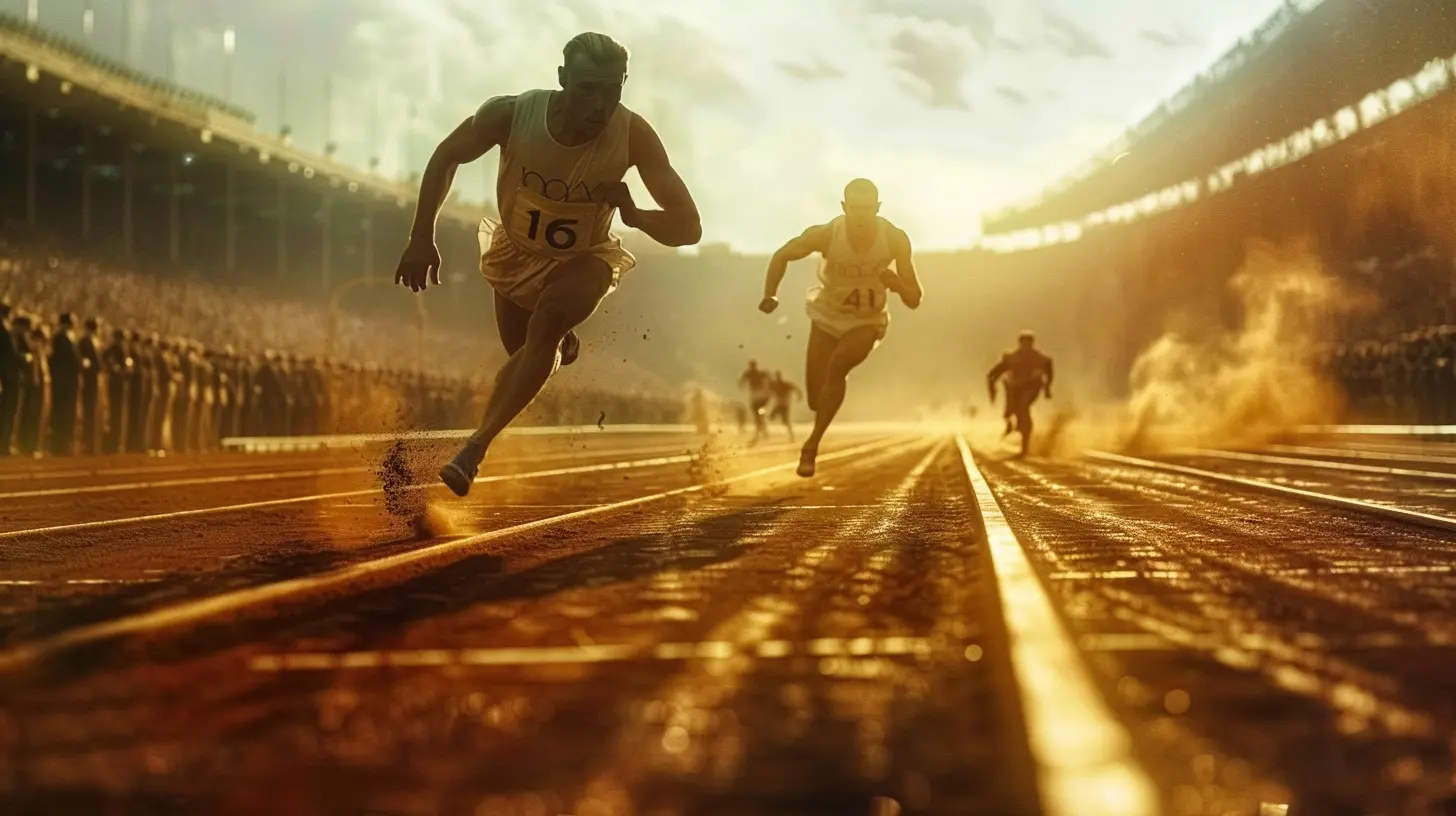
Everything changed in 1968. Cue the groovy music, because the Mexico City Olympics were about to flip the script. For the first time ever, athletes competed on a synthetic track—specifically a tartan track made from polyurethane. This stuff was smooth, durable, and most importantly, fast.That year saw a wave of broken records. Sure, the high altitude in Mexico City helped, but so did the new track surface. Synthetic tracks gave athletes better traction and energy return. Suddenly, the track wasn’t holding them back—it was helping them soar.
Why Synthetic Tracks Rock
Okay, so what makes synthetic tracks such an upgrade?1. Consistency
Unlike cinder, synthetic surfaces are uniform. That means no mystery puddles, no random soft spots, and no slipping on loose gravel. Every athlete gets the same fair shot at greatness.2. All-Weather Performance
Rain? No problem. Sun? Bring it on. Synthetic tracks hold up under all kinds of weather, making them perfect for international events like the Olympics.3. Speed and Safety
These modern surfaces absorb shock and reduce the risk of injury. At the same time, they give a nice little bounce back with each step—kind of like running on a trampoline that’s been flattened just right.
The Science Behind the Surface
You might be surprised at how much thought goes into designing a track. It's not just about slapping down some rubber and calling it a day.Synthetic tracks usually have several layers, including:
- Base layer: For drainage and stability.
- Elastic layer: Offers cushioning and energy absorption.
- Top layer: Provides grip and durability.
Different compositions can even be tailored for specific needs. Want a faster track? Increase firmness. Need more shock absorption? Add more rubber. The level of customization is pretty nuts.
Milestones in Olympic Track Evolution
Let’s pause and highlight a few major moments that shaped the evolution of Olympic track and field:- 1896: First modern Olympics in Athens—cinder tracks made their debut.
- 1936: Jesse Owens wins 4 golds on Berlin’s cinder track.
- 1968: First synthetic track at the Mexico City Games—records fall like dominoes.
- 1984: The Los Angeles Olympics feature a next-gen surface, boosting performance even further.
- 2008: Beijing's track, nicknamed the “Magic Carpet,” helps Usain Bolt clock his legendary 9.69 seconds in the 100m.
How Technology Keeps Pushing Limits
Track surfaces keep evolving. Today’s Olympic venues use advanced materials and sensor technology to monitor performance. Yep—some tracks are basically fitness trackers on steroids.From the density of the rubber to the grip texture, every detail is engineered for peak performance. It’s a blend of science and sport, and it’s led to serious improvements in sprint, middle-distance, and even field events.
The Ripple Effect: More than Just the Olympics
Here’s the cool part: when the Olympics amps up its track game, the impact ripples out around the world. High schools, colleges, and local stadiums often follow suit. That means kids launching their first sprints or long jumps are training on surfaces safer and speedier than ever.Synthetic tracks also make the sport more accessible year-round, thanks to their durability and all-weather design. They’ve taken track and field from a seasonal sport to something that can be practiced and perfected year-round.
Field Events Get a Boost Too
While we’ve focused a lot on tracks, let’s not forget about the field part of track and field. Athletes in jumping and throwing events also benefit from synthetic runways and surfaces.- Long jump and triple jump: These runways are now springier, helping athletes launch farther.
- Pole vault: Better surfaces mean cleaner plant zones and more consistent takeoffs.
- Discus and shot put: Improved throwing circles boost grip and reduce slip risks.
Bottom line? Everyone wins when the surface gets smarter.
Let’s Talk Turf: The Dark Side of Going Synthetic?
Now, it’s not all sunshine and new records. There's also debate in the sports world about how far we should lean into technology. Some purists argue that synthetic tracks give modern athletes an unfair advantage when comparing records across eras. I mean, would Bolt still be Bolt if he had to run on the same cinder track as Jesse Owens?It's a fair point. But here's the thing—we don’t penalize progress in other areas of life. Just like we wouldn’t expect Formula 1 drivers to race in a Model T, it's okay to embrace better tools as long as we recognize the context.
What’s Next for Olympic Track and Field?
So where does the sport go from here? One word: innovation. Future Olympic tracks might include smart sensors that track stride length, acceleration, and foot placement in real-time. Athletes and coaches could use that data to fine-tune training and reduce injury risk.We might even see eco-friendly tracks made from recycled materials. Green tech is making its way into every industry, and sports are no exception.
Fun Fact: Fastest Olympic Track Ever?
Many experts consider the 2008 Beijing Olympic track to be the fastest ever. Designed by Mondo, the surface had just the right mix of firmness and rebound to give athletes a noticeable edge. Usain Bolt sure seemed to like it!
Final Thoughts
From gritty cinder trails to space-age synthetic lanes, Olympic track and field has come a long way. It’s one of those rare sports that combines raw human potential with the cutting edge of science and engineering. And honestly? That blend is what makes it so exciting to watch.It’s not just about who’s the fastest or who can jump the highest—it’s about how every detail, from the spikes on a shoe to the layer under the track, plays a role. The evolution of these surfaces tells a bigger story: one of progress, innovation, and the never-ending human desire to go faster, higher, and stronger.
So next time you're watching the Olympics and see someone break a world record, just remember—it’s not just the athlete out there. It’s decades of trial, error, science, and sweat beneath every footstep.
all images in this post were generated using AI tools
Category:
Sports HistoryAuthor:

Nelson Bryant
Discussion
rate this article
1 comments
Seth Wolfe
This article captures the fascinating transformation of Olympic track and field surfaces over the years. It's intriguing to see how advancements from cinder tracks to synthetic materials have impacted athlete performance and race dynamics.
August 14, 2026 at 4:24 AM
Nelson Bryant
I'm glad you found the transformation fascinating! It's amazing how these changes have shaped the way athletes perform and compete.