The Dark Side of Fandom: When Rivalries Turn Toxic
15 February 2026
Let’s be real for a second — sports are incredible. They bring people together, ignite passion, and give us moments we’ll tell our grandkids about. Whether it’s a last-minute goal, a buzzer-beater, or a jaw-dropping comeback, sports have a magical way of sparking joy.
But there's another side to the story that isn’t so picture-perfect. If you've ever scrolled through Twitter during a big game or sat in the nosebleeds surrounded by rival fans, you know what I’m talking about — things can get ugly. And I mean really ugly.
That blind devotion to a team? Sometimes it crosses a line. The passion turns into obsession, and the rivalry spirals into something darker — something toxic.
Welcome to the not-so-pretty side of sports we don’t talk about enough.
What Starts Fun Can Turn Ugly
We all start somewhere. Maybe you grew up in a football-loving family, or maybe you got hooked during a World Cup. It’s harmless fun in the beginning. You pick a team, buy the merch, paint your face, and troll your friends a little when your team wins.That’s all part of the game, right?
But somewhere along the way, things escalate. It’s no longer just about cheering your team on. It becomes about hating the other side. Every game feels like war, and every rival fan is suddenly the enemy.
Ever noticed how some fans don’t even enjoy the wins anymore? They’re too busy dragging the other team through the mud to appreciate their own squad's success.
Sad, right?
The Rise of Armchair Warriors
Social media has poured gasoline on this fire. Platforms like Twitter, Reddit, and TikTok should be spaces to connect, but often they’re battlegrounds. Rival fans go at each other like it's their full-time job.You’ll see things like:
- Doxxing players and fans
- Racial and sexist abuse
- Death threats
- Wishing injuries on players
- Celebrating tragedies
Seriously, it’s wild. And the worst part? A lot of people think it’s totally normal.
The anonymity of the internet turns some fans into monsters. When you're hiding behind a username, it’s easy to forget there’s a real person on the other side of that tweet or comment.
Have you ever found yourself scrolling through a thread of hateful comments and thought, "How did we get here?"
“Us vs. Them” Mentality
Rivalries can be fun — they give us drama, stakes, and bragging rights. But when they feed into an "us vs. them" mentality, things get dicey.It stops being, “My team is awesome,” and becomes, “My team is better than yours — so you suck.”
This tribal thinking builds walls, not bridges.
You might even catch yourself thinking less of someone simply because they support a different team. Sounds silly when you say it out loud, right? But it happens all the time.
It’s like choosing friends based on their favorite pizza topping. Ridiculous, but sports somehow make that logic fly.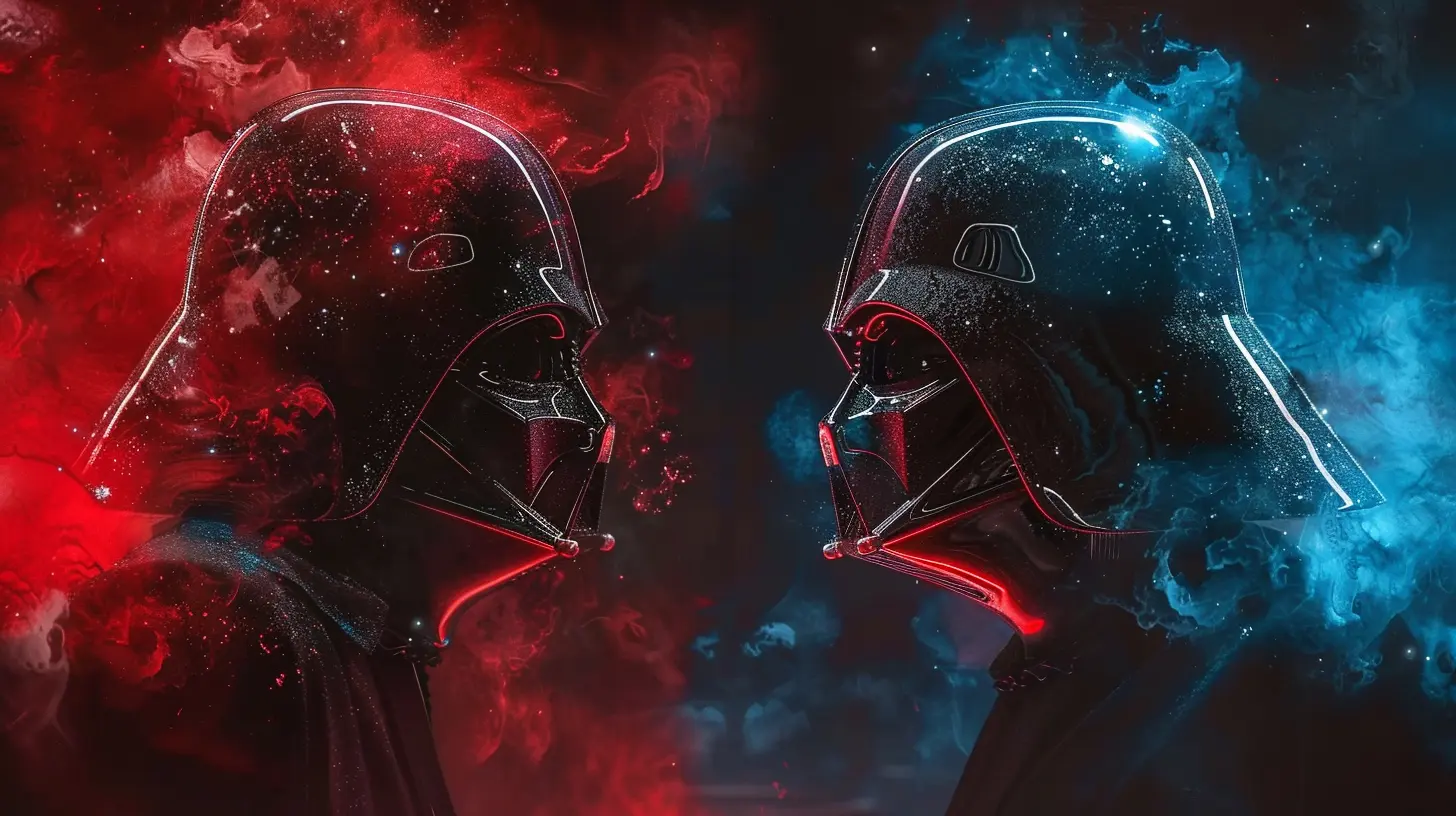
When Passion Becomes Possession
Here’s the thing: loving your team is beautiful. But when that love turns possessive, it’s a whole other story.Some fans act like they own the team. They feel entitled to control or criticize everything — from coaching decisions to players’ personal lives. And if a player isn’t “loyal enough”? All hell breaks loose.
Take transfers, for example. A player moves to a rival team and suddenly gets labeled a “traitor.” Forget the years of service or career ambitions — they’re dead to fans. Burn the jersey. Boo them on the pitch. The whole nine yards.
That’s not fandom. That’s toxic relationships 101.
The Impact on Players
We often forget that athletes are human, too. They have families, emotions, and off-days — just like us.But toxic fandom treats them like disposable entertainment. One bad game and fans pile on with insults and abuse, like that player ruined their life.
Can you imagine making a small mistake at work and receiving threats from strangers for it?
That’s the reality for many athletes. And it messes with their mental health. Some suffer from anxiety, depression, and even consider quitting — all because of fan pressure.
Honestly, no game is worth that.
The Fans Who Suffer in Silence
Let’s not forget the fans themselves. Toxic environments make it hard for so many people to enjoy the game they love.Casual fans, women, minorities, LGBTQ+ fans — they’re often gatekept or made to feel unsafe. Want to speak up? Brace yourself for backlash.
And heaven forbid someone supports more than one team or doesn’t know every stat. Some fans act like there’s a test you need to pass before you’re allowed to cheer.
It’s exhausting.
Sports are supposed to be inclusive. If your fandom is scaring people away, then something’s gone very wrong.
The Slippery Slope to Violence
Let’s get serious for a second.Toxic rivalries have real-world consequences. We're not just talking online spats — we’re talking physical violence, vandalism, and riots.
There have been brawls outside stadiums. Entire cities trashed after derbies. Even deaths.
And all over what? A game?
No matter how passionate we are, no match should end with someone in the hospital. That’s not loyalty. That’s losing the plot.
Where Does It Come From?
So why does it get so bad?A few things fuel this fire:
1. Identity – For many, their team is part of who they are. An attack on the team feels like a personal attack.
2. Escapism – Sports provide escape from life’s struggles. When that escape is threatened, people lash out.
3. Groupthink – When toxic behavior becomes normalized in fan groups, individuals follow suit just to fit in.
4. Media – Let’s not kid ourselves. Some outlets hype the drama for clicks. The more hostile the rivalry, the higher the ratings.
Put all that together and you’ve got a powder keg ready to blow.
So… What Do We Do About It?
Alright, let’s not end on a low note. There’s hope — but it starts with us.Here’s how we can make fandom better for everyone:
1. Call Out Toxic Behavior
If someone crosses the line, speak up. That doesn't mean starting a fight — just hold people accountable. Silence is consent.2. Show Respect to Rival Fans
Root for your team, but don’t tear others down to do it. Banter is fine — cruelty isn’t.3. Support Players as Humans
Win or lose, remember that athletes are people first. Show grace. Be kind.4. Be Inclusive
Everyone has a right to enjoy sports. Make space for casual fans. Welcome newcomers. Diversity makes the game better.5. Focus on the Game, Not the Hate
Celebrate the skill, the drama, the beauty of the sport itself. That’s why we all fell in love with it in the first place.Final Thoughts
Fandom is supposed to be joyful, messy, passionate, and a little bit wild — but never hateful.We all want our teams to win. We all want the bragging rights. But if we have to tear others down to feel good about ourselves, are we really winning?
Ask yourself: what kind of fan do you want to be?
Because at the end of the day, teams will rise and fall, players will come and go, but the culture we build as fans — that’s what sticks around.
Let’s make sure it’s something to be proud of.
all images in this post were generated using AI tools
Category:
Fan CultureAuthor:

Nelson Bryant
Discussion
rate this article
2 comments
Quillan Hunter
This article insightfully explores the complexities of sports rivalries and their potential for toxicity. It’s crucial for fans to recognize the impact of their behavior on both the sport and the community, promoting a healthier and more respectful atmosphere for all.
March 28, 2026 at 4:42 AM
Nelson Bryant
Thank you for your thoughtful comment. It's essential for fans to reflect on their actions and foster a positive environment in sports.
Zephyrae Dodson
Fandom should unite us, not divide us. While rivalries ignite passion and drive competition, we must remember to celebrate the spirit of the game. Let’s channel our energy positively and build a community where respect reigns—because true sportsmanship transcends any rivalry. Rise above toxicity!
February 15, 2026 at 11:40 AM
Nelson Bryant
Absolutely! Fandom should be a source of unity and respect. Let's focus on celebrating our shared love for the game and promote positive interactions within our community.