The Brain-Body Connection: How Neurology Impacts Sports Performance
9 February 2026
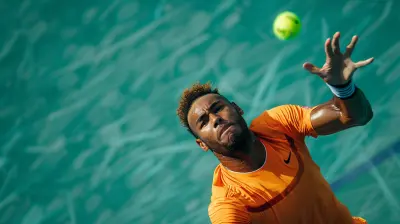
When we talk about sports performance, most folks think about muscle mass, endurance, or insane training regimens. But there’s a hidden driver behind every elite athlete’s success—the brain. Yep, that three-pound powerhouse between your ears is the true MVP. From reaction time to decision-making, neurology plays a massive role in who wins gold and who goes home early.
In this article, we’re diving deep into the brain-body connection and how understanding the brain’s role in sports can give athletes that cutting-edge edge. Buckle up—this is where science meets sweat.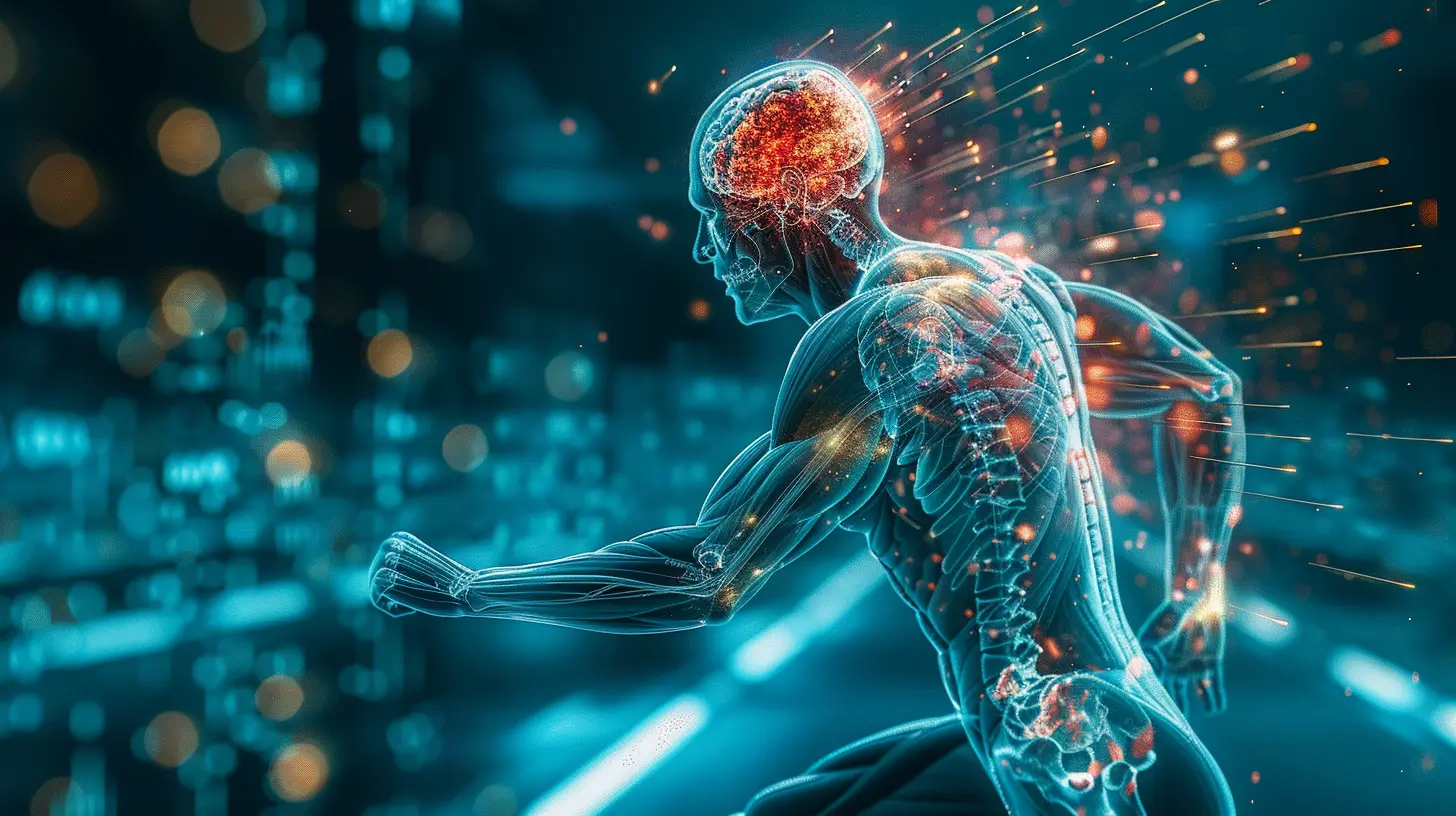
Why Your Brain Is Your Most Valuable Player
Think of the body as a high-performance car. The muscles are the engine, the heart is the fuel pump, and your lungs are the air intake. But the brain? It’s the driver. Without it, you're just a fancy hunk of metal going nowhere fast.Your brain controls every move—literally. It sends signals to your muscles, processes feedback, makes split-second decisions, and even predicts actions before they happen (yep, it’s psychic like that).
The better your brain coordinates with your body, the smoother and more efficient your performance becomes.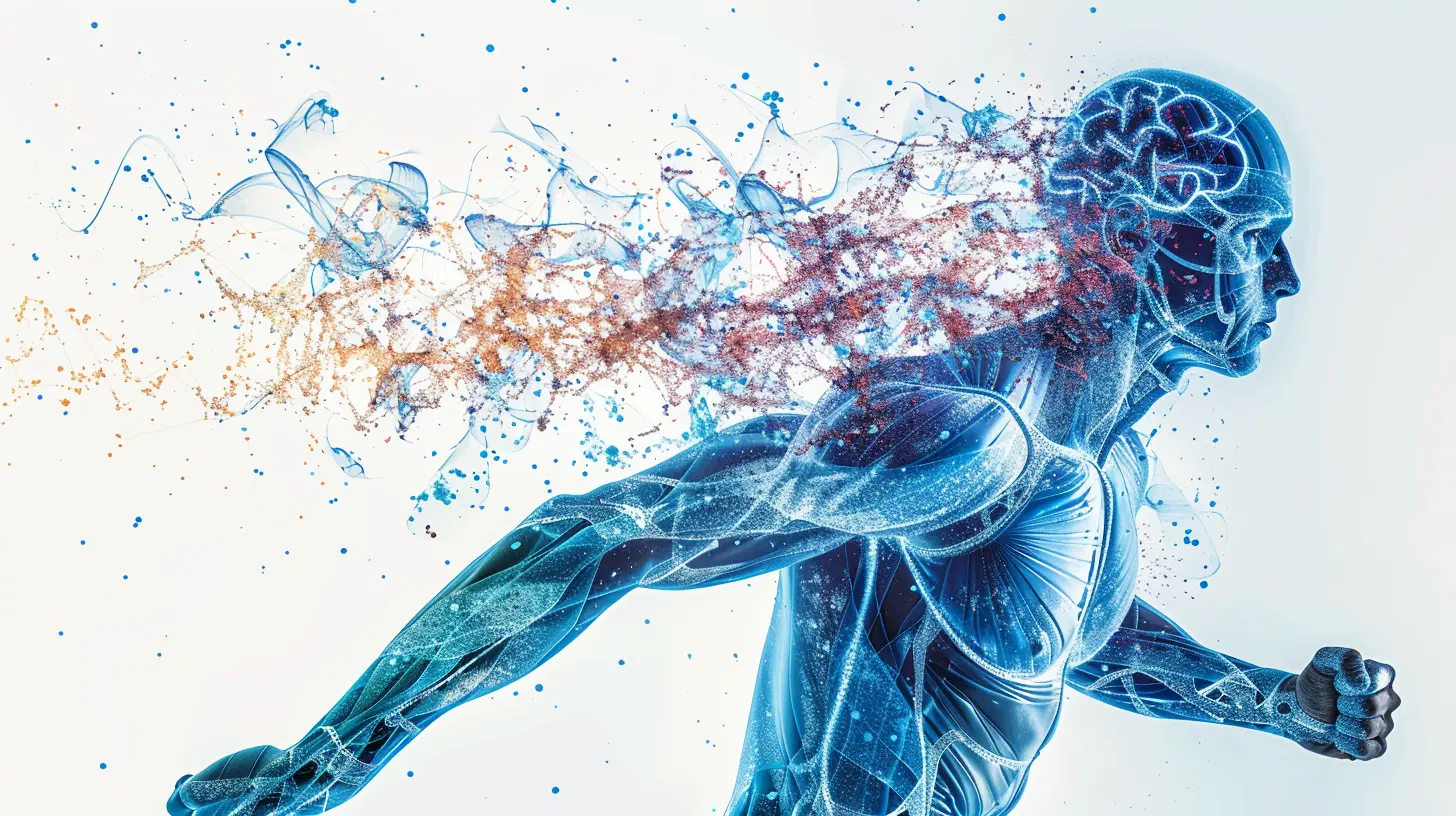
How the Brain Communicates with the Body
Let’s keep it simple. The brain and body talk through a vast network called the central nervous system. This includes the brain, spinal cord, and a web of nerves.Imagine sending a text message. You type it (that’s the brain), it gets sent through a network (that’s your spinal cord and nerves), and your friend receives and reads it (that’s your body acting). Now, this process happens in milliseconds when you’re playing sports.
There are two major systems involved here:
1. The Central Nervous System (CNS)
This is the command center. It takes in data from your environment—what you see, hear, touch—and decides what to do with it. If you see a pitcher winding up for a fastball, your CNS immediately starts calculating when and where the ball will land.2. The Peripheral Nervous System (PNS)
This branches out from the spine and controls movement and sensation. Once the CNS decides “swing now!”, the PNS delivers the message to your arms, hands, and core, and boom—you swing the bat.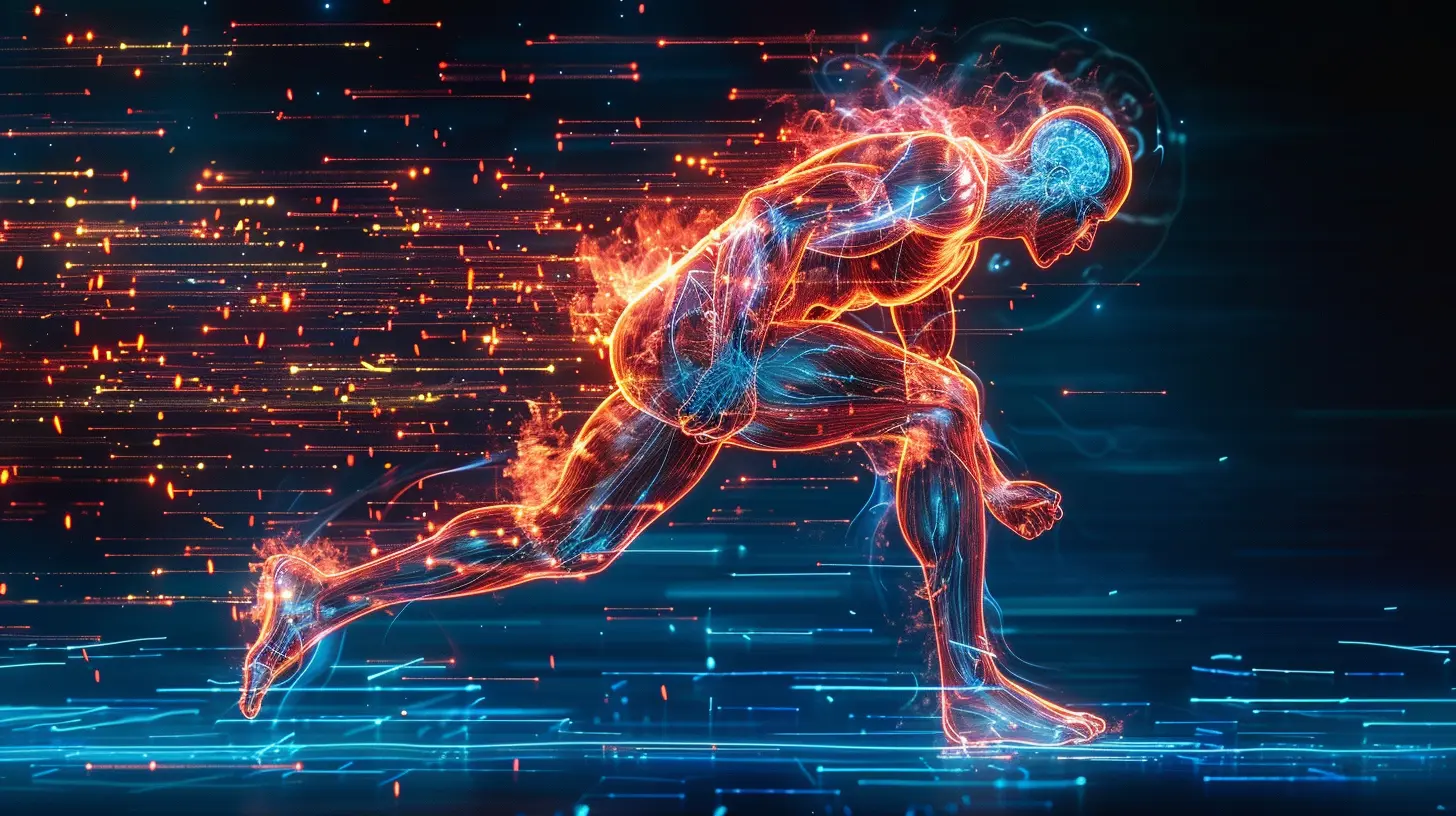
Brain Functions That Impact Sports Performance
Your brain isn’t just reacting—it’s orchestrating a symphony of functions in perfect harmony. Let’s look at the big players:Reaction Time
In sports, fractions of a second matter. Reacting just 0.1 seconds faster can be the difference between a missed tackle and a game-saving play.But reaction time isn't just reflex—it's the result of a fast, well-tuned brain. Training can sharpen this by improving focus and neural speed.
Motor Control and Coordination
Ever wonder how gymnasts land those flawless flips or basketball players spin mid-air for a layup? That’s precise motor control, baby. The brain communicates movement patterns through something called the motor cortex. The more you train, the more these movements become second nature—like typing without looking at the keyboard.Decision-Making Under Pressure
Hands sweaty? Clock ticking? Crowd screaming? Your brain still has to decide: shoot, pass, or drive? The prefrontal cortex, responsible for decision-making and reasoning, goes into overdrive under pressure.The sharper your decision-making skills, the better your clutch performance.
Spatial Awareness
You’ve probably seen athletes dodge players like they’ve got eyes in the back of their heads. That’s spatial awareness—your brain’s GPS system. It helps you understand your position in space relative to everything around you.This is especially vital in fast-paced sports like soccer, hockey, or MMA.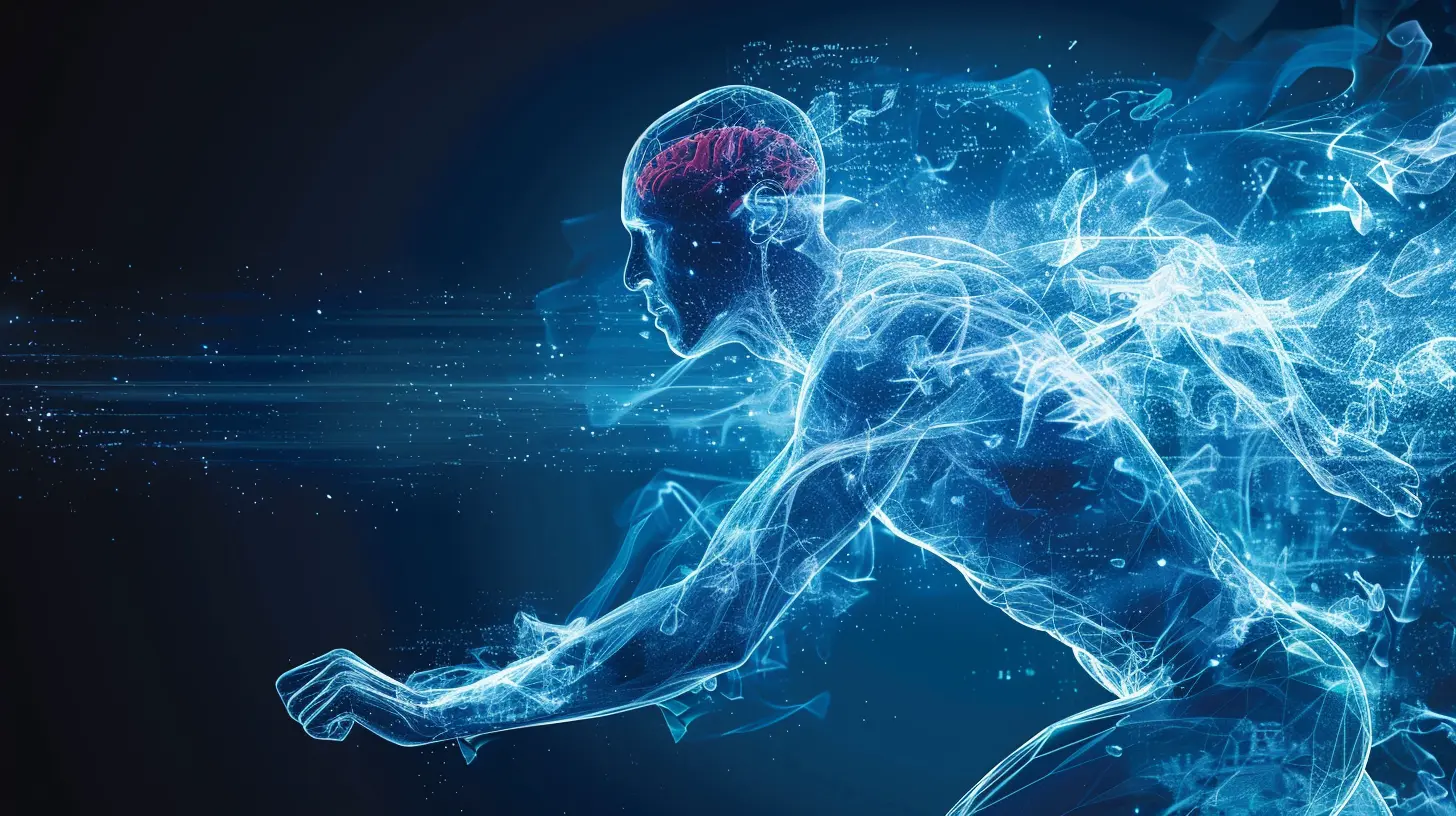
Neuroplasticity: The Brain’s Secret Weapon
Here’s some exciting news: your brain isn’t fixed. Thanks to a superpower called neuroplasticity, your brain rewires itself with use. Like muscles, the more you use specific neural pathways, the stronger and faster they become.So, if you’re practicing your swing, your brain literally starts building stronger connections for that specific movement. Repetition isn’t just muscle memory—it’s brain memory too.
This is why athletes need consistency. Whether you're shooting free throws or drilling footwork, you're literally building a better brain for that skill.
Mental Fatigue vs Physical Fatigue
We've all been there. Legs still strong, but the mind? Drained. Welcome to mental fatigue.Mental tiredness can slow your reaction time, mess with your focus, and cause poor judgment. It's a silent performance killer. Even if your body’s ready, your brain might not be.
This is why mental recovery is just as crucial as physical recovery. Sleep, meditation, and visualization can help reboot your mental game.
The Role of Visualization and Mental Rehearsal
Ever seen athletes with headphones on, eyes closed before a game? They're not just vibing—they’re visualizing.Visualization taps into the same brain areas used during actual performance. When you mentally rehearse a move, your brain “practices” it, strengthening those neural pathways.
Olympians, NFL stars, even UFC fighters swear by it. This isn't just woo-woo psychology—it’s backed by neuroscience.
Training the Brain Like a Muscle
You hit the gym for gains. What about your brain?Here’s how to train your brain for peak athletic performance:
1. Neurotraining
Tech-supported brain exercises are the next big thing. Tools like neurofeedback devices or brain-training apps let athletes track and improve their cognitive performance.Not only does this improve focus and reaction time, but it can also reduce the risk of injury by improving body awareness.
2. Mindfulness and Meditation
Mindfulness isn’t just for yoga studios. Athletes who practice meditation show better concentration, emotional control, and stress management.It’s like giving your brain a calm, focused zone to operate in—even when chaos unfolds around you on the field.
3. Sleep Optimization
Sleep is the ultimate performance enhancer. Deep sleep allows the brain to consolidate memories, repair neural pathways, and recharge. No fancy supplements can outdo a good night’s sleep.Aim for 7–9 hours. No excuses.
Concussions and Brain Injuries in Sports
Alright, let’s get real for a second. The brain is powerful—but also fragile. Concussions and other traumatic brain injuries (TBIs) are no joke.These injuries can mess with everything from cognition to motor skills to emotional stability. Repeated concussions (think: football, hockey, boxing) have been linked to long-term conditions like CTE (chronic traumatic encephalopathy).
Preventing brain injuries should be prioritized with just as much passion as scoring goals. That means proper technique, updated equipment, and timely medical assessments.
Protect the brain—it’s your game’s control center.
The Psychology of Peak Performance
Let’s not forget the mental side of things. Confidence, focus, motivation—they’re all brain-powered.Sports psychology is packed with tools that help athletes manage doubt, stay motivated, and bounce back from loss. The stronger your mental game, the more consistently you perform.
And when your brain believes you can, your body follows.
Real-World Examples: Neurology in Action
Need proof that the brain is a game-changer? Let’s talk athletes.- Tom Brady: Known for his lightning-fast decision-making and situational awareness, Brady isn’t the fastest or strongest—but his brain keeps him one step ahead.
- Simone Biles: Her spatial awareness and motor control are on another level. That’s what lets her perform jaw-dropping moves with near-perfect precision.
- Stephen Curry: His brain-body connection with hand-eye coordination and muscle memory is why he can sink threes from seemingly anywhere.
None of these athletes are dominating just by being “physically gifted.” Their mental wiring is elite, too.
Final Thoughts: The Mind Is The Athlete
To play like a champion, you need more than biceps and cardio—you need a brain that’s firing on all cylinders. The brain-body connection is the cornerstone of elite sports performance.So, whether you're a weekend warrior, a rising rookie, or a seasoned pro, don’t neglect your neural game. Train smart. Think faster. Play harder.
Because in today’s competitive world, mental agility may just be your best muscle.
all images in this post were generated using AI tools
Category:
Sports ScienceAuthor:

Nelson Bryant
Discussion
rate this article
2 comments
Elara Kelly
This article highlights the crucial link between neurology and athletic performance. Understanding how the brain influences muscle coordination, reaction times, and decision-making can empower athletes to enhance their skills. Incorporating mental training alongside physical workouts can lead to improved performance and a competitive edge in sports.
March 19, 2026 at 12:15 PM
Nelson Bryant
Thank you for your insightful comment! I completely agree that understanding the brain's role in athletic performance is essential for optimizing training and achieving peak results.
Flint McGivern
Mind truly drives performance.
February 16, 2026 at 5:29 AM
Nelson Bryant
Absolutely! The mind plays a crucial role in enhancing focus, motivation, and overall performance in sports.