The Birth of Snowboarding: From Counterculture to Olympic Sport
11 April 2026
There’s something wildly captivating about snowboarding. Maybe it’s the way riders carve through powder like artists painting with their boards, or maybe it’s the rebellious spirit that still lingers in the sport's DNA. Whatever it is, snowboarding has one heck of a backstory—rooted in counterculture, driven by youth, and finally accepted on the grandest stage of them all: the Olympics.
So buckle in (or strap in, should we say?), because we're diving deep into how snowboarding went from being an underground passion to a globally recognized sport.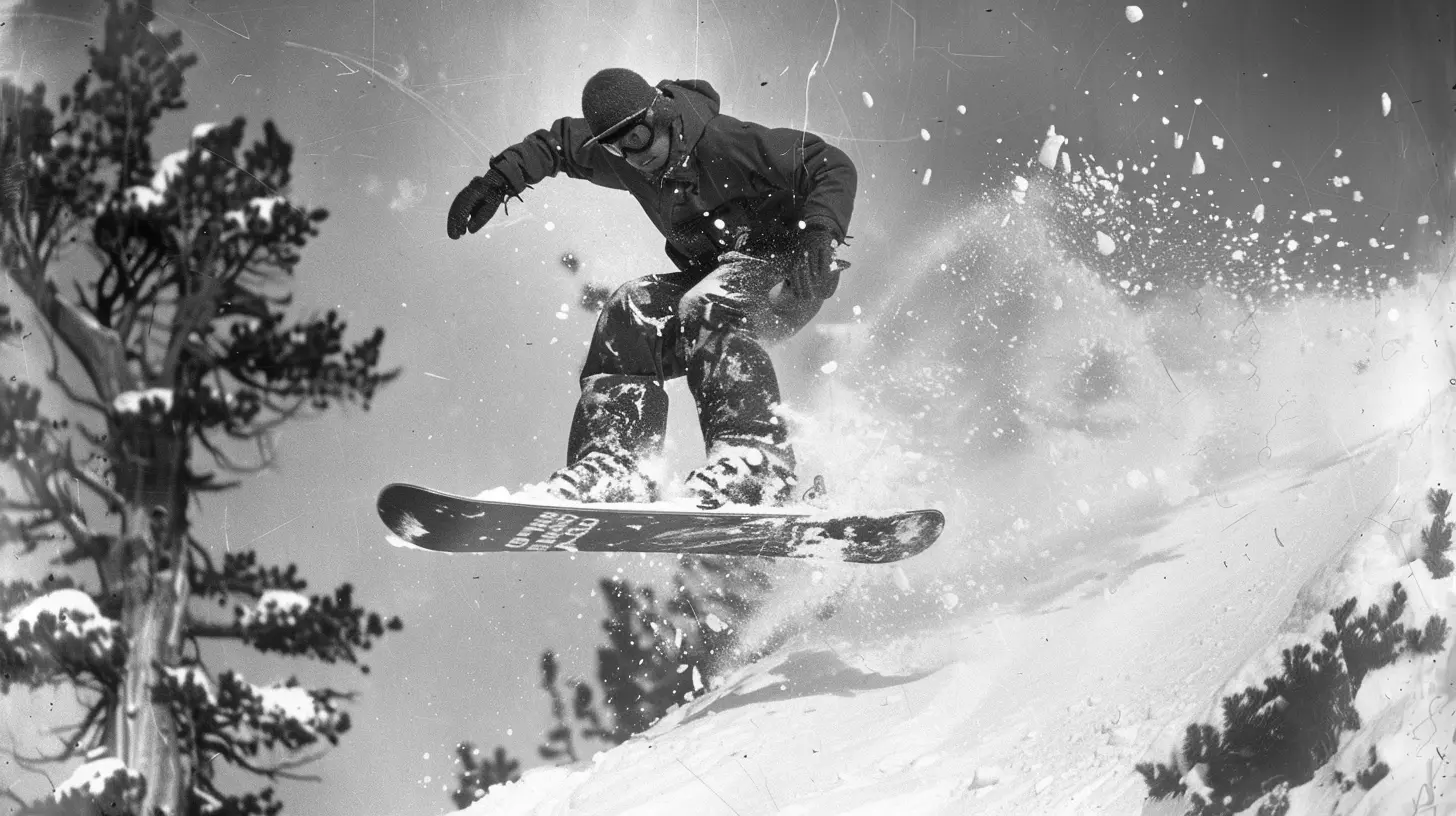
The Early Days: Snowboarding's DIY Roots
Let’s rewind to the 1960s and 70s.Back then, snowboarding wasn’t even a “thing” yet. Skiing ruled the mountains, and trying to ride down a slope on something other than skis was borderline insane. But, as with most great revolutions, it started in a garage.
Sherman Poppen and the "Snurfer"
The unofficial godfather of snowboarding is a guy named Sherman Poppen. In 1965, he bolted two skis together to create a toy for his daughters. The result? The very first "Snurfer" — part snow, part surfer.It was basically a plank with no bindings. You held onto a rope at the nose and just... hoped for the best. Still, the idea caught on. By the late ‘60s and early ‘70s, Snurfing competitions were cropping up, and before anyone realized, a wave of innovation had started rolling.
Enter the Rebels: Jake Burton, Tom Sims, and More
While Poppen opened the door, guys like Jake Burton Carpenter and Tom Sims kicked it off the hinges.- Jake Burton took the Snurfer concept and added bindings. Real bindings. That meant better control and legit downhill riding. He founded Burton Snowboards in 1977—still a heavyweight in the sport today.
- Tom Sims, a former skateboarder, was blending his love for skating and surfing into the snow. His boards had more design flair and borrowed heavily from skate culture.
They weren't alone, but they were among the loudest voices in a growing community that rejected the status quo.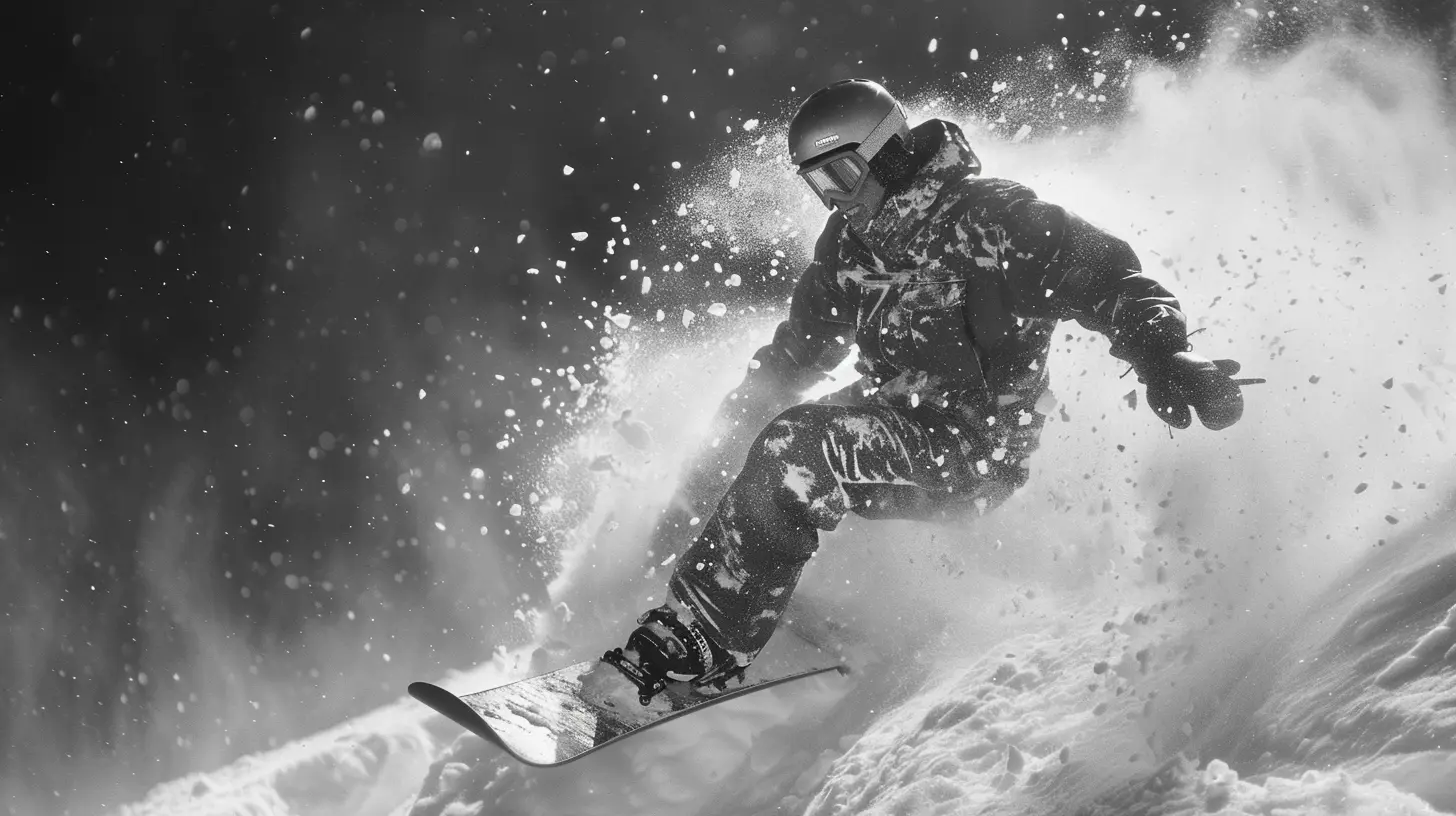
The '80s: Skate Culture on Snow
The 1980s were crucial for snowboarding’s identity. This was when the sport started developing its own language, style, and attitude.Snowboarding = Rebellion
Skaters, punks, surfers — these were the communities adopting snowboarding. The sport quickly became a rejection of ski culture, which many saw as elitist, polished, and frankly... kind of snobby.Snowboarders showed up at ski resorts with baggy pants, neon jackets, a don’t-care attitude, and boards that looked like surfboards had babies with skate decks. They didn’t fit in. But that was the whole point. Snowboarding wasn’t just a sport—it was a statement.
Banned at Resorts
Believe it or not, most ski resorts tried to ban snowboarders. Why? Because they were “unsafe.” But deep down, it was more about culture clash than actual danger.Some resorts required snowboarders to pass a "test" just to ride. Can you imagine if surfers had to take exams to catch waves?
Still, riders persisted. They held competitions, formed local crews, and treated mountains like playgrounds. Snowboarding was officially alive.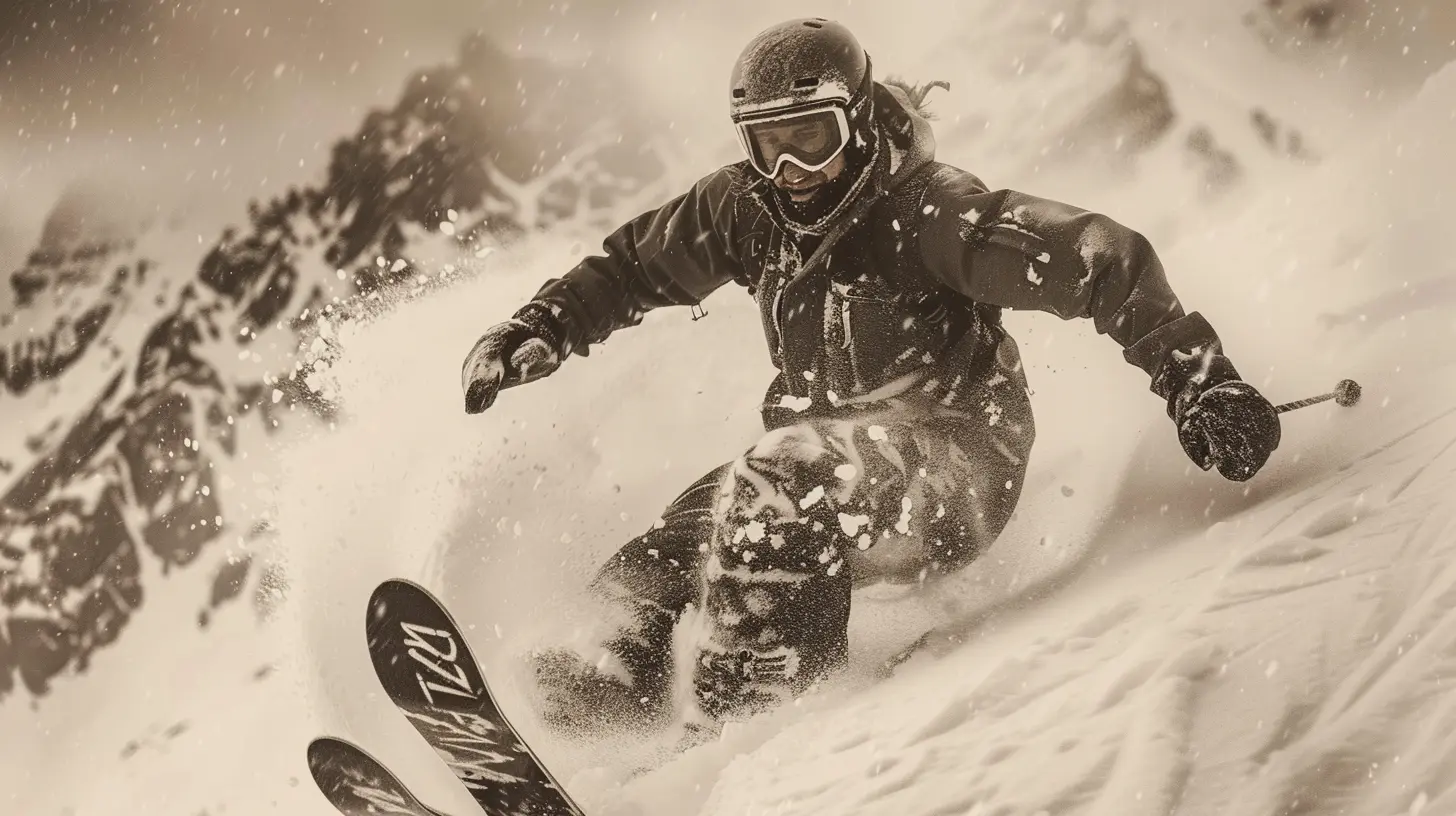
The '90s: The Boom Era
If the ‘80s were about rebellion, the ‘90s were about growth. This is when snowboarding went from subculture to mainstream — and fast.The Rise of Snowboarding Brands
Thanks to legends like Jake Burton, snowboarding brands exploded onto the scene. Burton, Sims, Ride, K2 — these companies not only made gear but shaped the identity of the sport.They poured money into video production, created pro teams, sponsored events, and most of all, built a lifestyle. If you were a teenager in the ‘90s, odds are you wanted to be a snowboarder—or at least dress like one.
Snowboarding on TV
Remember shows like the X Games? Snowboarding became a TV sensation. Halfpipe and big air events showcased jaw-dropping tricks, and riders like Terje Håkonsen, Shaun Palmer, and Craig Kelly became household names in underground circles.Suddenly, snowboarding looked legit. Kids everywhere were trading in skis for snowboards, shops couldn’t keep boards in stock, and resorts realized they couldn’t afford to ignore the wave any longer.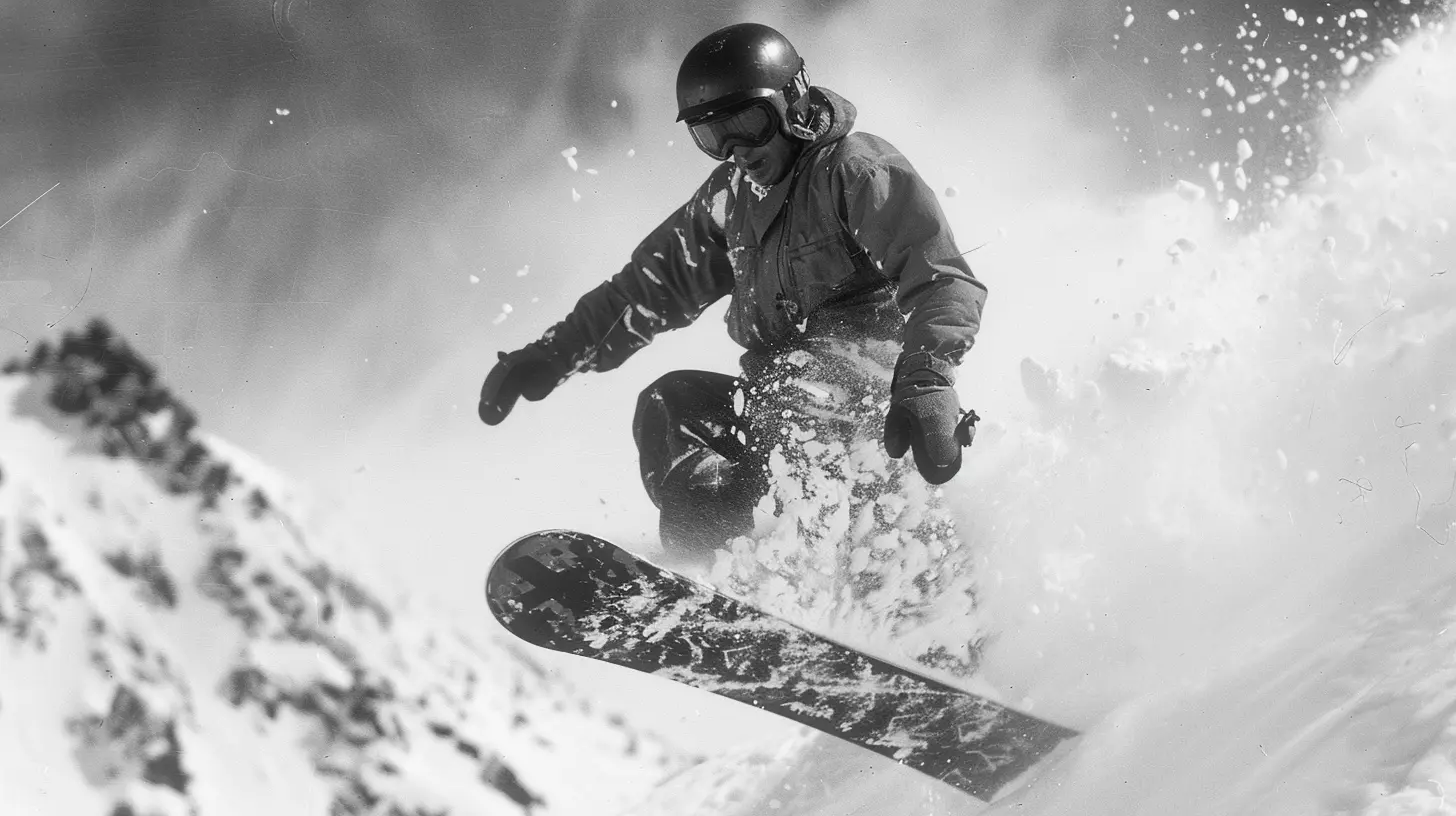
1998: The Olympic Breakthrough
Then came the moment that shook snowboarding’s core — the 1998 Winter Olympics in Nagano, Japan.From Outsider to Insider
For the first time ever, snowboarding was included in the Olympic Games. It featured two events: Giant Slalom and Halfpipe.Half the snowboarding community was ecstatic.
The other half? Not so much.
Selling Out or Leveling Up?
To die-hard core riders, joining the Olympics felt like selling out. The sport that began in backyards and parking lots was now being judged by officials in blazers. It didn’t sit right.Some athletes boycotted. Terje Håkonsen—arguably the best in the world at the time—refused to compete. But others saw an opportunity to elevate the sport.
Whether you loved it or hated it, there was no going back. Snowboarding had arrived on the world stage.
Post-Olympics: Mainstream Meets Style
After the Olympics, there was no denying it — snowboarding had officially gone mainstream. But instead of losing its soul, the sport evolved.A New Generation of Stars
Out of the Olympic spotlight came a new breed of snowboarding legends:- Shaun White, the flame-haired phenom, brought skate-style flair to the halfpipe and took gold in multiple Games.
- Chloe Kim, a halfpipe queen, became a global icon with her smooth style and fearless approach.
- Travis Rice, a backcountry beast, merged snowboarding with cinematic adventure in jaw-dropping films.
These athletes didn’t just represent skill—they redefined what snowboarding could be. And they proved the sport could be both authentic and Olympic-worthy.
Big Mountain and Backcountry Riding
But the soul of snowboarding didn’t remain only in competition. Big mountain and backcountry snowboarding became a whole movement of its own:- No judges.
- No courses.
- Just you, a board, and untracked snow.
This kept the raw, adventurous spirit of early snowboarding alive—a balance between sport and lifestyle.
The Culture Today: Still Rebel, Always Evolving
It’s been over five decades since Sherman Poppen tied two skis together, but snowboarding still feels fresh. Why?Because while it’s now an Olympic sport and global business, snowboarding hasn’t forgotten where it came from.
Snowboarding’s Core Values Stay Intact
At its core, snowboarding is still about freedom. It’s about doing things your own way, pushing boundaries, and expressing yourself with every turn and trick.Whether you're flowing down a groomer at your local hill or launching off a cliff in Alaska, the spirit of snowboarding remains intact: creativity over conformity.
Technology and Gear Revolution
Let’s not forget how far gear has come. Boards are lighter, faster, and more responsive. Bindings and boots offer better control and comfort. Outerwear is now high-tech, breathable, and super stylish.Even beginner riders benefit from advancements that make learning safer and easier—so more people can get hooked on that first magical ride down the mountain.
Lessons from Snowboarding's Journey
So what can we take away from this evolution?1. Passion beats permission – Snowboarding didn’t wait to be accepted.
2. Culture drives sport – Style and identity matter just as much as results.
3. Rebels can win – Snowboarding didn’t lose its edge when it went mainstream.
4. Adaptation is key – The sport grew without selling out.
From being banned on ski resorts to being cheered in Olympic arenas, snowboarding's journey is a testament to staying true while growing up.
Final Thoughts: Why Snowboarding Still Feels Like Magic
Snowboarding is more than just descending a mountain with a plank strapped to your feet. It’s freedom. It's a dance with gravity. It’s adrenaline and artistry all rolled into one.And while it may now share the stage with figure skating and curling, it’s never lost its edge.
Snowboarding was born out of rebellion, but it matured into something deeply respected—and still undeniably cool.
So the next time you see someone carving lines into fresh powder, remember: you're watching history in motion, written by every badass who ever strapped in and said, “Let’s ride.
all images in this post were generated using AI tools
Category:
Sports HistoryAuthor:

Nelson Bryant
Discussion
rate this article
2 comments
Zarenith Bowers
It's fascinating how snowboarding evolved from a rebellious pastime to a respected Olympic sport. I wonder what the next chapter will be.
July 6, 2026 at 3:04 AM
Nelson Bryant
Thanks! It's interesting to think about how each new generation of riders will shape the sport's future and what innovative styles or competitions might emerge next.
Reece McGowan
This article brilliantly captures snowboarding's evolution from a rebellious pastime to an Olympic staple. It highlights the sport's unique culture and the challenges it faced along the way. It's fascinating to see how far snowboarding has come, and it’s a testament to its enduring appeal.
April 12, 2026 at 2:41 AM
Nelson Bryant
Thank you for your thoughtful comment! I'm glad you enjoyed the exploration of snowboarding's journey and its cultural significance. It truly is a remarkable transformation.