The Best Running Shoes of 2027: Our Top Picks
1 November 2026
Running shoes have changed a lot in the last few years. Foams got lighter and more responsive, rocker geometries went mainstream, and carbon plates moved from elite racing to everyday training. By 2027, the market has settled into a new normal: most quality shoes are good, but they are good in very different ways. The real question is not which shoe is "best" in some absolute sense. It is which shoe is best for your body, your training, and the surface you run on.
This guide breaks down the top picks for 2027 by category, explains the technology behind them, and, just as importantly, tells you when a popular shoe is the wrong choice. I have tested dozens of pairs across road, trail, and treadmill miles, and I have watched runners make the same avoidable mistakes year after year. The goal here is to help you spend wisely and run comfortably for a long time.
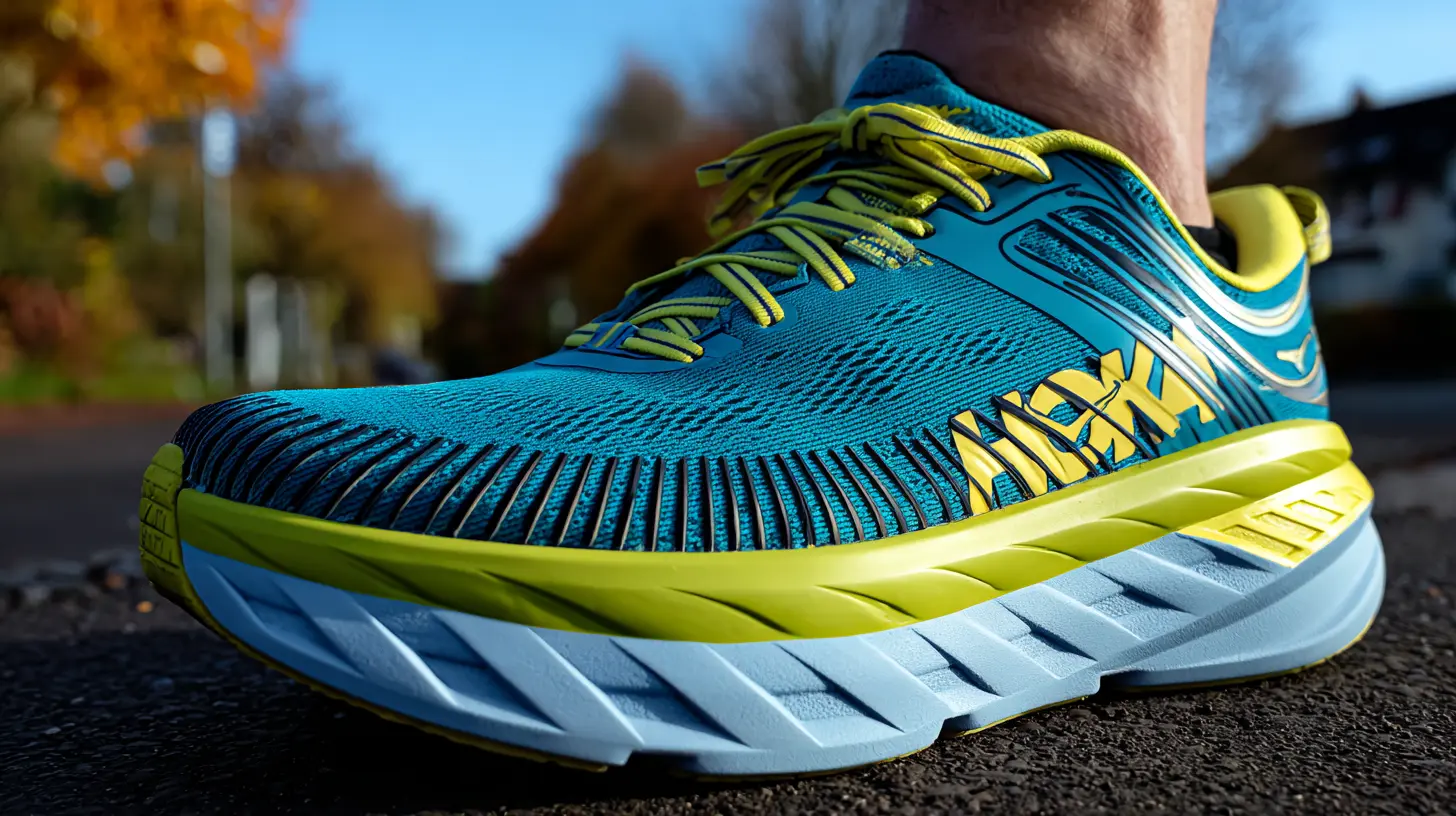
How We Evaluate Running Shoes
Before naming any picks, it helps to understand what separates a great shoe from a merely popular one.Fit and Upper Construction
A shoe can have the best foam in the world and still fail if the upper does not hold the foot securely. In 2027, engineered mesh dominates, but the differences matter. A good upper wraps the midfoot without pressure points, leaves room in the toe box for natural splay, and locks the heel down without slipping. Runners with wide feet should look for shoes offered in multiple widths, which is still not universal. A common mistake is sizing up to solve a width problem, which creates excess length and heel slip. If the shoe is too narrow, try a wide version before changing sizes.Midsole Foam and Geometry
Foam is the heart of the shoe. Modern supercritical foams, whether PEBA-based, EVA blends, or newer nitrogen-infused compounds, return more energy and resist packing out longer than older materials. Geometry matters just as much. A pronounced rocker rolls you forward and spares your calves, but it can feel unstable on uneven ground. A flatter, more flexible platform asks more of your feet and ankles but gives better ground feel. Neither approach is superior. They suit different runners and different sessions.Drop, Stack Height, and Weight
Drop, the difference in height between heel and toe, ranges from zero to about twelve millimeters in most shoes. Higher drop tends to shift load toward the knees and quads; lower drop loads the calves and Achilles more. There is no universally correct drop, but changes should be gradual. Stack height affects cushioning and stability: more foam means more comfort but also more distance from the ground, which can feel tippy. Weight still matters, though less than marketing suggests. A 30 gram difference is noticeable over 20 miles, but only if the shoe still fits well.Durability and Value
Outsole rubber, midsole resilience, and upper durability determine cost per mile. A cheap shoe that wears out in 250 miles can cost more than a premium shoe that lasts 500. We weigh value by realistic lifespan, not sticker price alone.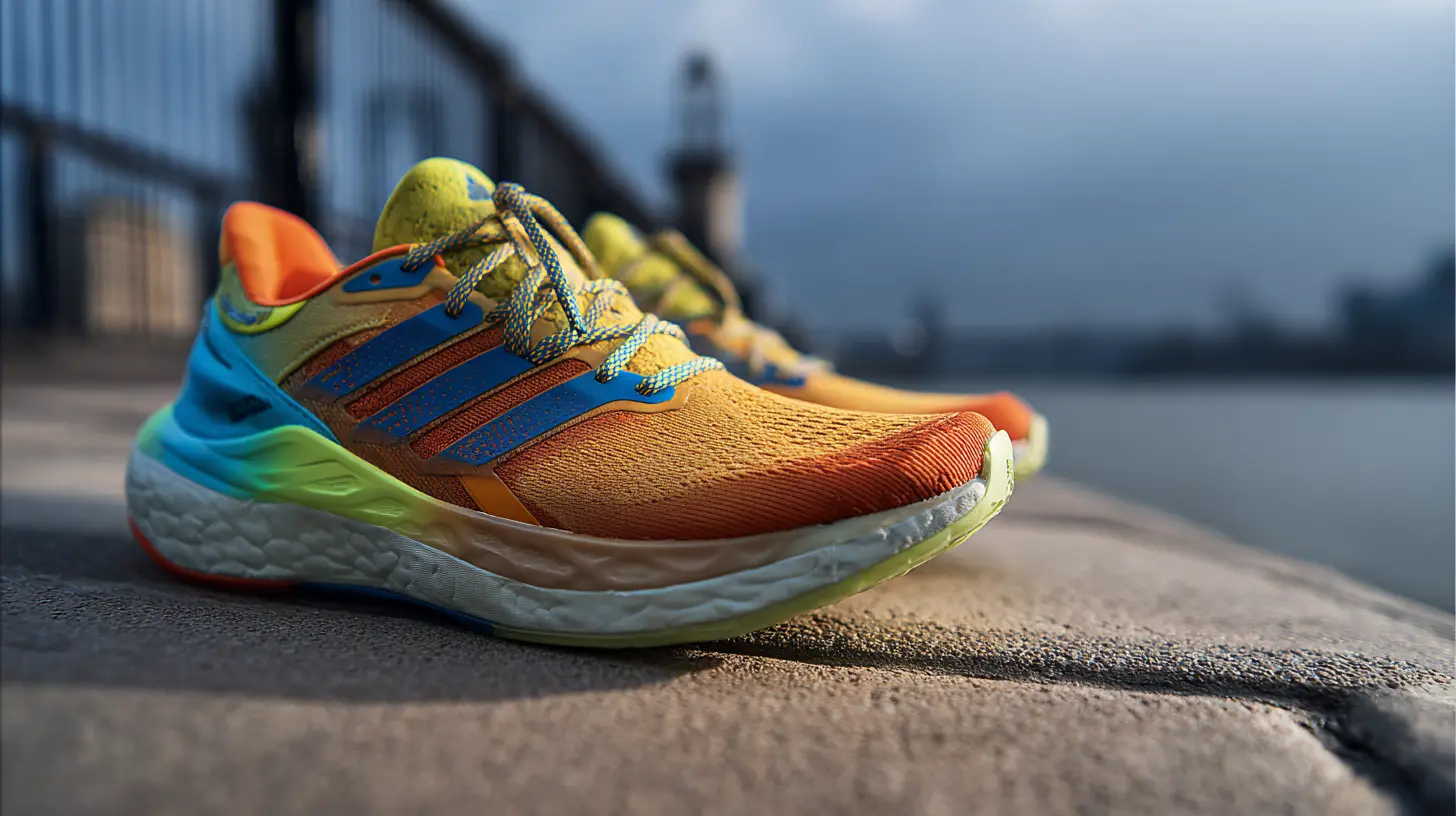
The Top Picks of 2027
The picks below represent the strongest all-around choices in each category based on testing and widespread runner feedback. Specific models evolve quickly, so treat these as category leaders and verify the latest version before buying.Best Daily Trainer: The Versatile Workhorse
The daily trainer is the shoe most runners wear for the majority of their miles, and the best of 2027 balances cushioning, durability, and a touch of responsiveness. This year's standout uses a supercritical foam that stays lively after 300 miles, paired with a moderate 8 millimeter drop and a slightly wider forefoot platform.Why it works: the foam is soft enough for recovery days but firm enough for tempo efforts, so you can own one pair instead of two. The wider platform adds stability without posting or medial wedges, which suits most neutral runners and many mild overpronators.
When to avoid it: runners who want a plush, maximalist feel for long easy days may find it too firm. Runners who prefer a very flexible, low-to-the-ground ride will find it overly structured. And if you race frequently, you will still want a lighter shoe for race day.
Best Max-Cushion Trainer: Comfort Without the Wobble
Max-cushion shoes have matured. Early versions felt like running on marshmallows and rolled ankles on turns. The 2027 leaders use tall stack heights with firmer sidewalls and a rocker that keeps transitions smooth.Why it works: the high stack absorbs impact on long runs and protects joints during high-volume weeks. The key upgrade is stability through geometry rather than added hardware, which keeps the shoe light for its size.
When to avoid it: if you do a lot of lateral movement, trail running, or speed work on tight turns, the height works against you. Also, runners new to high stack should introduce them gradually, because the altered proprioception can feel strange for the first few runs.
Best Tempo and Speed Shoe: Fast Without the Race-Day Price
Between daily trainers and carbon-plated racers sits the tempo shoe. The 2027 pick uses a nylon or composite plate, a lighter foam, and a snugger upper. It is the shoe for intervals, threshold runs, and shorter races.Why it works: the plate adds stiffness and rolling assistance at faster paces without the aggressive geometry of a super shoe. It is more forgiving on form and easier on the feet than a full race shoe, which makes it a smart choice for runners who race occasionally but train fast often.
When to avoid it: for easy runs, the firm ride and plate can feel harsh. For marathon race day, a dedicated racer will save more energy. And runners with sensitive feet should test plated shoes carefully, since the stiffness changes how load travels through the foot.
Best Race-Day Shoe: The Super Shoe, Used Wisely
Carbon-plated super shoes remain the fastest option for most runners on race day. In 2027, the best versions are more stable and more durable than the first generation, with foam that holds up for multiple races.Why it works: the combination of a highly resilient foam and a stiff plate reduces energy loss at speed and lessens muscle damage over long efforts. Studies and widespread race results suggest a measurable benefit for many runners, though individual responses vary.
When to avoid it: super shoes are not ideal for daily training. The geometry encourages a specific stride, the foam can feel unstable at easy paces, and the cost per mile is high. Save them for key sessions and races, and rotate them with your trainers.
Best Trail Shoe: Grip and Protection for Real Terrain
The 2027 trail pick balances aggressive lugs with a comfortable upper and a rock plate for rocky ground. It handles wet roots, loose gravel, and hardpack without feeling like a tank on smoother paths.Why it works: lug depth and rubber compound determine grip, and this shoe gets both right. The rock plate protects the foot without killing ground feel, and the upper drains well after stream crossings.
When to avoid it: on paved roads and smooth rail trails, the lugs wear quickly and feel clunky. Runners who mostly run buffed singletrack may prefer a lighter, less aggressive trail shoe.
Best Budget Shoe: Smart Savings Without Sacrifice
Budget shoes have improved dramatically. The 2027 value pick uses older-generation foam that is still perfectly good, a durable outsole, and a simple but comfortable upper. It costs significantly less than flagship models.Why it works: the performance gap between last year's premium foam and this year's budget foam is smaller than the price gap suggests. For runners logging moderate mileage, this shoe delivers reliable comfort and decent longevity.
When to avoid it: if you need a wide fit, a specific drop, or advanced stability features, budget options are often limited. Also, heavy runners may wear through softer budget foams faster, so check durability reviews.
Best Stability Shoe: Guidance Without Overcorrection
Stability shoes in 2027 have moved away from hard medial posts toward broader platforms, firmer foams, and subtle guidance. The top pick supports the foot without forcing it into a position.Why it works: modern stability comes from geometry and foam density differences, which feel more natural than older posting. Runners who overpronate mildly often find these shoes comfortable and confidence-inspiring.
When to avoid it: many runners are fitted with stability shoes they do not need. If you have no history of instability or injury, a neutral shoe is usually fine. Get a gait analysis from a reputable fitter rather than guessing.
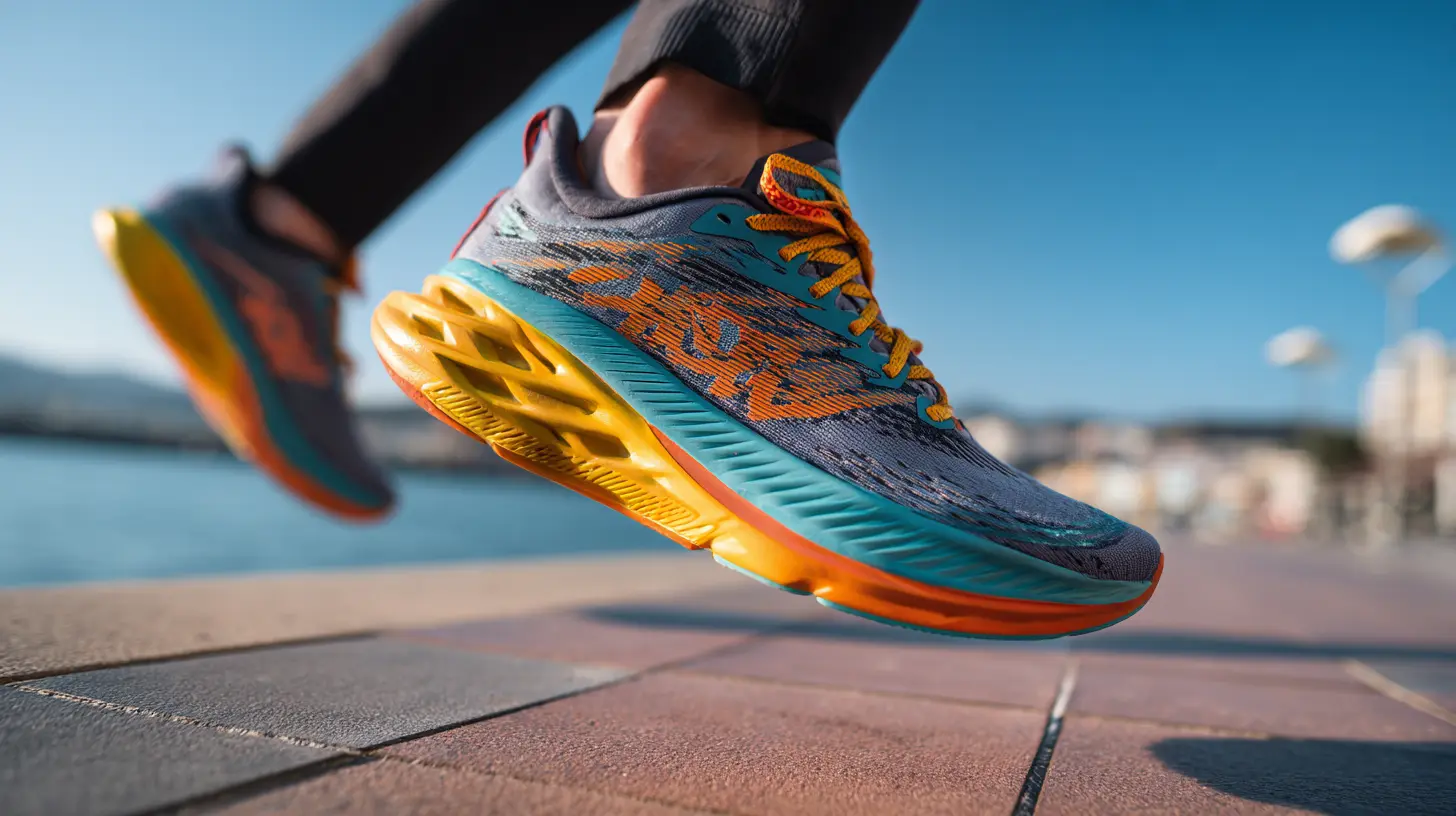
Common Mistakes Runners Make When Buying Shoes
Even with good options available, the same errors show up again and again.Buying for the label instead of the fit. A famous shoe that pinches your toes is worse than an unknown shoe that fits perfectly. Prioritize fit and comfort over hype.
Rotating too little. Running in one pair every day compresses the foam and shortens its life. Rotating two pairs, ideally with slightly different geometry, spreads the load and can reduce repetitive strain.
Changing too much at once. Switching to a lower drop, a stiffer plate, or a much higher stack all at once invites injury. Introduce one change at a time and give your body two to three weeks to adapt.
Ignoring the surface. Road shoes on technical trails lack grip and protection. Trail shoes on pavement wear fast and feel sluggish. Match the shoe to the majority of your running.
Chasing grams. A lighter shoe is not automatically faster for you. If a heavier shoe fits better and keeps you comfortable over the distance, it will likely produce better results.
Skipping the break-in period. Most modern shoes need little break-in, but your feet and lower legs need time to adjust to new geometry. Start with short easy runs.
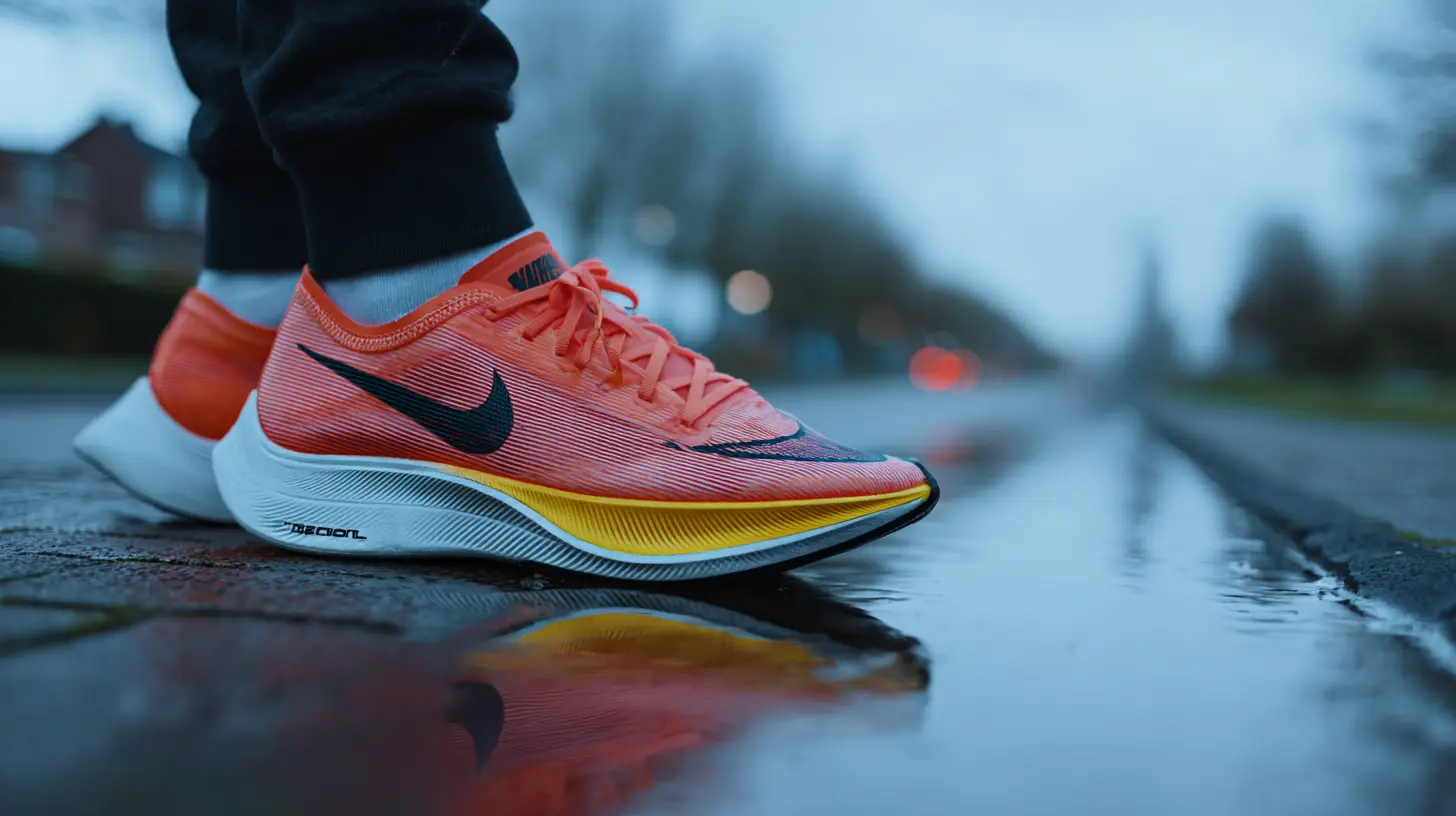
Misconceptions Worth Retiring
A few beliefs persist despite the evidence."Cushioning causes weakness." There is no strong evidence that well-cushioned shoes weaken feet in a meaningful way for most runners. Comfortable shoes tend to help people run more, and running more builds strength.
"Expensive shoes are always better." Price often reflects materials and marketing, not suitability. Mid-range shoes frequently outperform premium ones for everyday training.
"Carbon plates are only for elites." Many recreational runners benefit from plated shoes on race day, though the benefit varies. The key is using them for the right purpose, not as a daily shoe.
"You must replace shoes every 300 miles." Lifespan depends on your weight, gait, surface, and the shoe itself. Watch for flattened foam, visible outsole wear, and new aches rather than following a fixed number.
How to Choose Your Pair in 2027
Start with your primary use. If most of your miles are easy road running, a daily trainer or max-cushion shoe is the priority. If you race, add a race shoe. If you run trails, buy for the terrain you actually run, not the terrain in glossy photos.Then consider your body. Heavier runners generally benefit from firmer, more durable foams. Runners with a history of Achilles issues should be cautious with very low drop. Runners with plantar fasciitis often do well with a slightly firmer, supportive shoe, though individual response varies.
Finally, try before you buy when possible. Run on a treadmill or in the parking lot. Check heel lock, toe room, and midfoot pressure. A shoe that feels good in the first five minutes is a better bet than one that "might break in."
Final Thoughts
The best running shoe of 2027 is the one that fits your foot, matches your training, and keeps you healthy enough to run consistently. The category leaders above are excellent starting points, but they are starting points, not prescriptions. Buy for comfort, rotate your shoes, change one variable at a time, and replace them when they wear out rather than when a calendar says so. Do that, and your shoes will do their job: disappear underfoot while you focus on the run.
all images in this post were generated using AI tools
Category:
RunningAuthor:

Nelson Bryant

