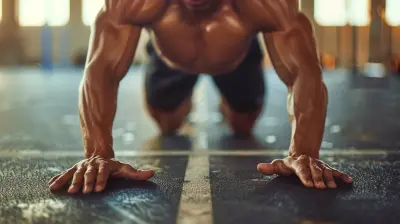
The 2026 International Speed Skating Championships Are Heating Up
13 September 2026
The 2026 speed skating season has arrived with unusual intensity, and not just because the Olympic cycle is about to turn. Between the World Cup circuit, the European and World Allround Championships, and the sprint specialists sharpening their form for the Games in Milan-Cortina, this is the stretch where careers get defined. If you follow the sport closely, you already know that the calendar is crowded and the stakes are rising. If you are newer to it, this is a good moment to understand what is actually happening on the ice, why it matters, and how to watch it with a trained eye.
This article is not a recap of results. It is a guide to the forces shaping the 2026 season, from the technical evolution of the strokes to the training decisions that separate medalists from the rest of the field. Whether you are a fan, a coach, a young skater, or someone who simply wants to sound informed at the rink, the goal here is to give you something you can actually use.
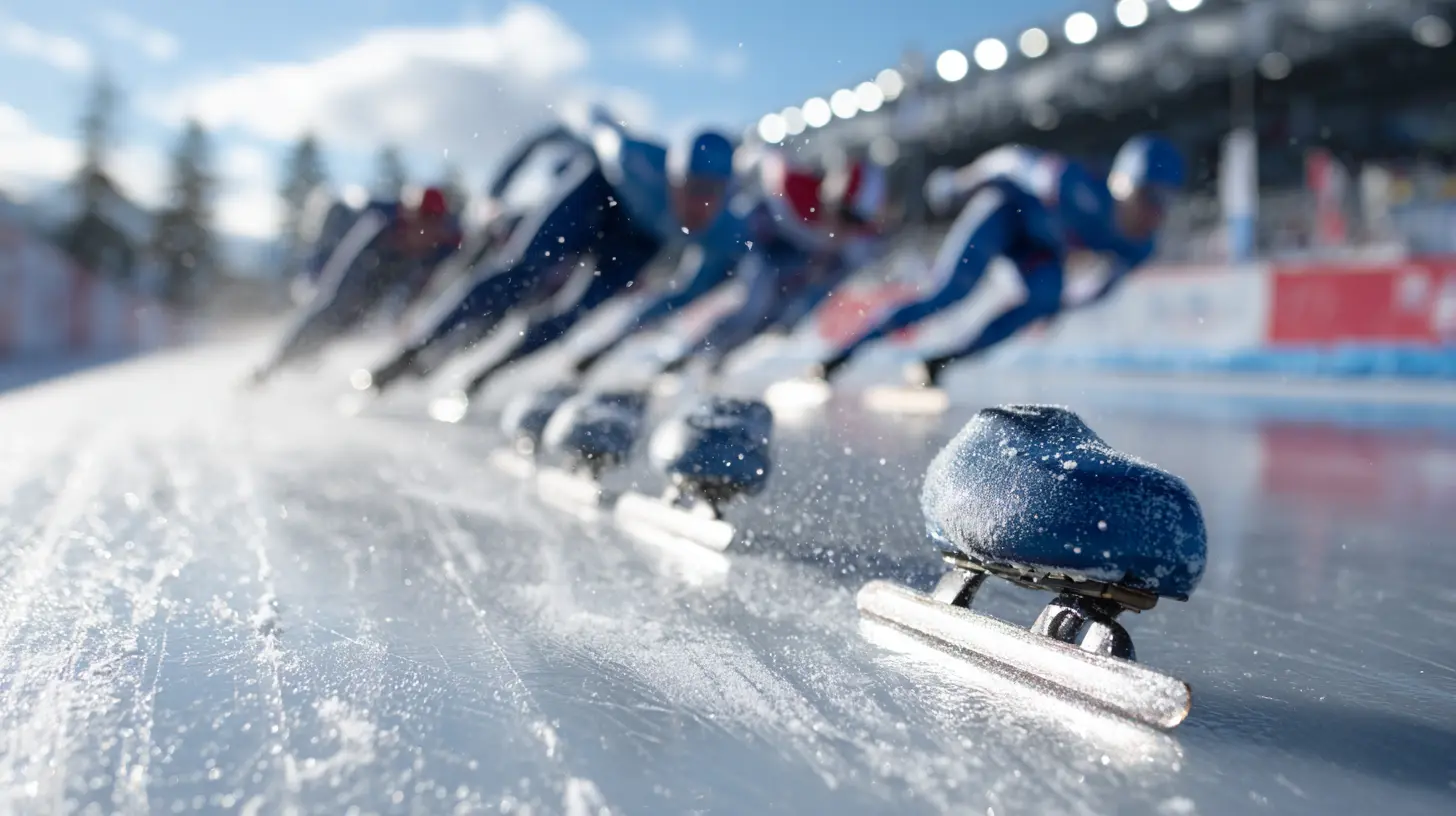
Why the 2026 Season Feels Different
Every four years, the speed skating calendar bends toward the Olympics. The 2026 edition is no exception. The Milano-Cortina Games sit right in the middle of the season, which compresses the World Cup schedule and forces athletes and coaches into hard choices about peaking.There is a well-known trade-off in endurance sports. You can chase World Cup points and prize money all winter, or you can sacrifice some of those results to arrive at the Games fresh and fast. Doing both is possible, but it demands precise periodization and a tolerance for risk. In speed skating, where races are decided by hundredths of a second, that risk is magnified.
The athletes who handle this best tend to share a few traits. They race less in the weeks immediately before the Games. They use selected World Cups as controlled efforts rather than all-out assaults. They treat travel and recovery as seriously as interval training. None of this is glamorous, but it is the difference between a personal best in December and a medal in February.
For fans, this means the 2026 season is less predictable than usual. A skater who dominates in November might fade in February, and someone who looks quiet in the fall might explode onto the podium when it counts. That unpredictability is a feature, not a bug. It is also why watching the full season, rather than just the Games, gives you a much richer picture of who is actually strong.
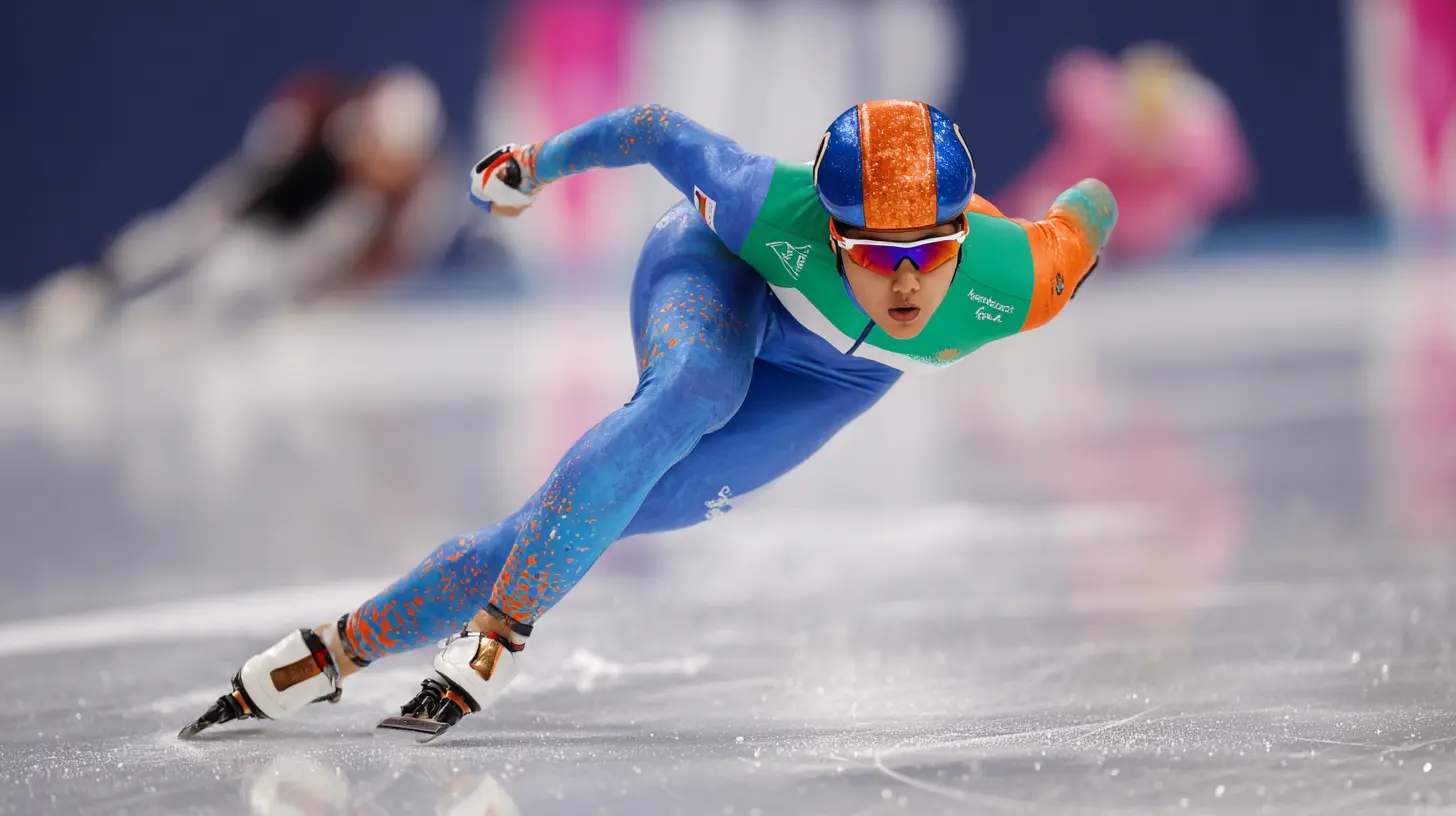
The Technical Side: What Separates the Best Right Now
Speed skating looks simple from a distance. Skate fast, turn left, repeat. Up close, it is a sport of millimeters and milliseconds, and the technical margins have narrowed considerably over the past decade.The Push and the Glide
The core of speed skating is the push-glide cycle. Each stroke has a push phase, where the skate blade grips the ice and the skater extends, and a glide phase, where the skater rides the blade and tries to minimize friction. The best skaters do not just push harder. They push at the right angle, at the right time, and then they get off the blade cleanly so the glide is as long and as fast as possible.A common mistake among developing skaters is over-pushing. They try to muscle the stroke, which creates slip, wastes energy, and actually slows the glide. The correction is counterintuitive. You push with more precision, not more force. Think of it like a golf swing. The power comes from sequencing and timing, not from swinging harder.
The Clap Skate Effect
Since the late 1990s, clap skates have been standard at the elite level. The hinge at the toe allows the blade to stay on the ice longer during the push, which lets the skater use the full extension of the leg. The result is a more powerful, more efficient stroke. But the clap skate also demands better technique. If your timing is off, the hinge works against you, and you lose the very advantage it is supposed to provide.This is why young skaters are often advised to master fixed-blade skating before moving to clap skates. The fundamentals, balance, weight transfer, and edge control, matter more than the equipment. A clap skate on a skater with poor balance is just an expensive way to fall.
Aerodynamics and Drafting
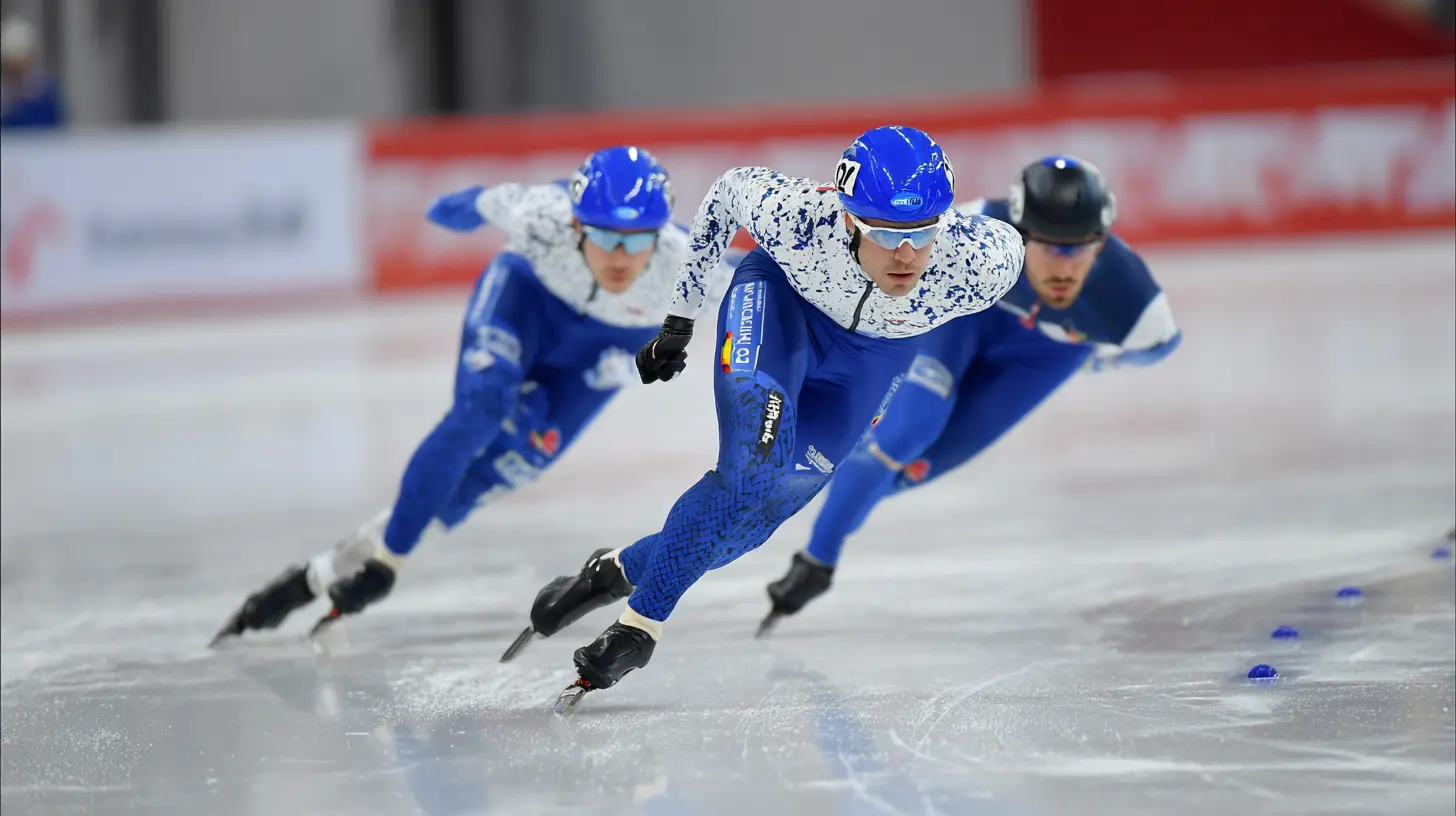
At speeds above 40 kilometers per hour, air resistance becomes a real factor. Skaters in mass start events and team pursuits use drafting, tucking in behind a teammate or opponent to reduce drag. In individual races, the effect is smaller but still present, which is why some skaters prefer to start behind a strong opponent in pair races.Aerodynamic positioning is not just about crouching lower. It is about keeping the torso stable and the arms tight, so the air flows smoothly around the body. Small adjustments, like tucking the chin or narrowing the shoulders, can shave fractions of a second over a 1500 meter race. Over a full season, those fractions add up.
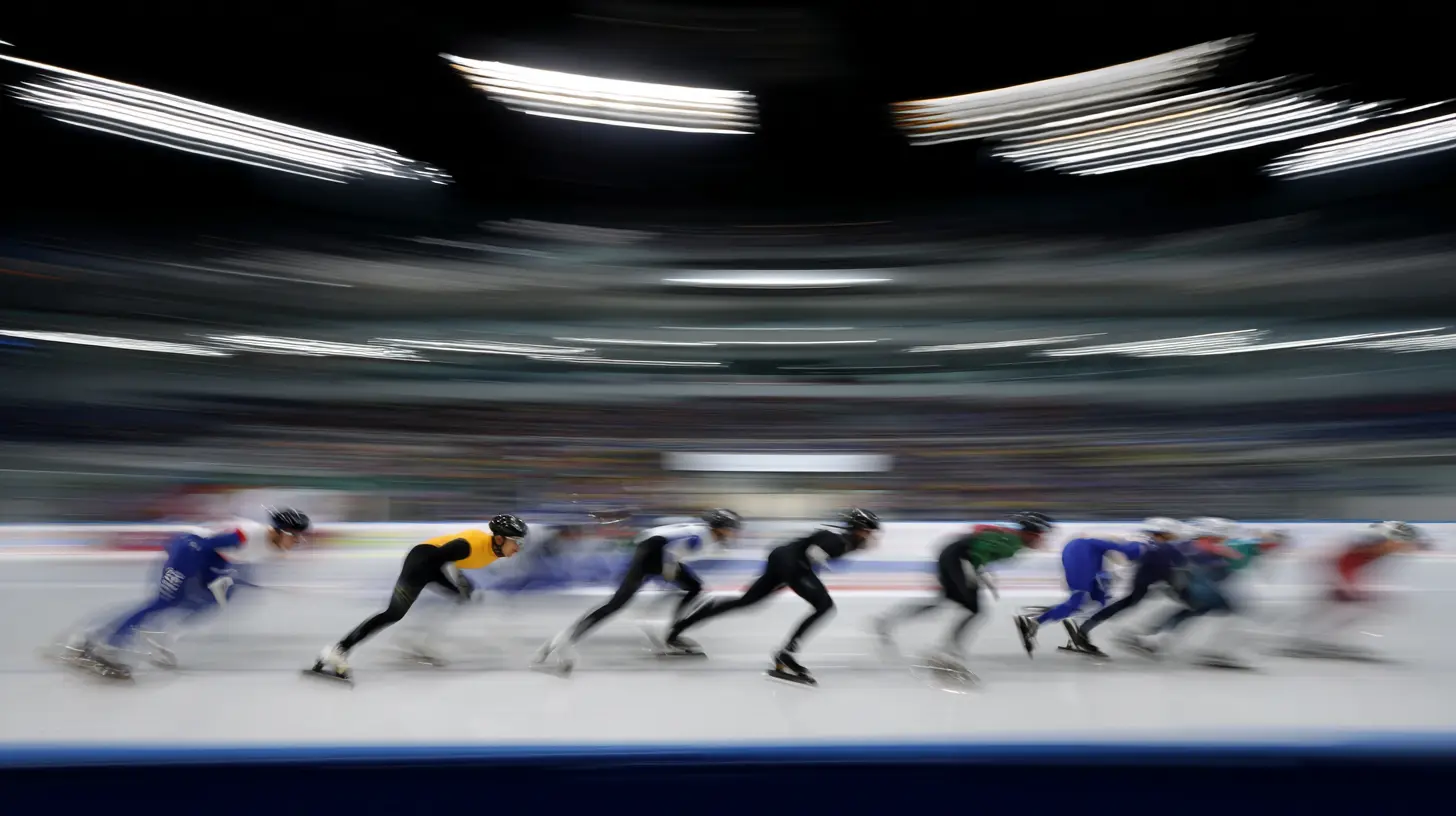
The Training Puzzle: Volume, Intensity, and Recovery
Speed skating training has evolved significantly. The old model, which emphasized huge volumes of low-intensity work, has been supplemented, and in some cases replaced, by more polarized approaches. Many elite programs now combine a large base of easy skating and cycling with a smaller dose of very high-intensity intervals.Why Polarized Training Works
The logic is straightforward. Low-intensity work builds aerobic capacity and allows for high training volume without excessive fatigue. High-intensity work sharpens the top end and teaches the body to tolerate lactate. The middle zone, often called threshold work, is useful but easy to overdo. Spend too much time there and you get stuck in a fatigue loop that leaves you flat when it matters.For speed skaters, the challenge is that the sport rewards both endurance and explosive power. A 5000 meter race is a sustained aerobic effort, while a 500 meter sprint is almost purely anaerobic. A single training plan has to develop both, which is why you see skaters doing long bike rides in the summer and short, brutal intervals on the ice in the winter.
The Role of Off-Ice Training
Cycling is the go-to cross-training tool for speed skaters. It builds leg strength and aerobic fitness without the pounding of running. Inline skating is another common option, especially in the summer, because it mimics the skating motion and keeps the specific muscles engaged.Strength training matters too, but not in the way many people assume. Speed skaters are not bodybuilders. They need functional strength, particularly in the glutes, hamstrings, and core, to hold a deep, stable position for the duration of a race. Heavy squats and deadlifts are common, but so are single-leg exercises that address imbalances and improve stability.
Recovery Is Not Optional
The most underrated element of elite speed skating is recovery. Between races, travel, and training, the body takes a beating. Sleep, nutrition, and active recovery are not luxuries. They are part of the job.A practical rule that many coaches use is to treat recovery as a training session. If it is on the schedule, it happens. That might mean a easy spin on the bike, a session with a massage therapist, or simply a full day off. Skaters who skip recovery tend to peak early and fade late, which is exactly the opposite of what you want in an Olympic year.
The Rink and the Ice: Environmental Factors That Matter
Speed skating is one of the few sports where the playing surface is actively managed during competition. Ice temperature, humidity, and air pressure all affect how fast the ice is on a given day.Ice Temperature
Colder ice is harder and faster, up to a point. If the ice gets too cold, it becomes brittle and the blade does not grip as well. Warmer ice is softer and slower, but it can also be more forgiving. The ideal temperature varies by event and by rink, and the best ice technicians adjust it based on the skaters' feedback and the day's conditions.Altitude and Air Pressure
Altitude is a double-edged sword. Thinner air means less drag, which helps sprinters and skaters in short events. But it also means less oxygen, which hurts endurance athletes in longer races. This is why altitude records tend to fall in sprint distances and why some endurance skaters struggle at high-altitude rinks.Salt Lake City and Calgary are the classic examples of fast, high-altitude ovals. They have produced a disproportionate number of world records. But a record on fast ice is not the same as a great performance on slow ice. Coaches and analysts increasingly look at relative performance, not just raw times, when evaluating skaters.
The Home Ice Advantage
Home ice is a real factor, but not always in the way people expect. Familiarity with the rink, the locker room, and the routine can reduce stress and improve focus. But home crowds also bring pressure, and some skaters perform worse when they feel obligated to deliver for a home audience.The best approach, according to many sports psychologists, is to treat home ice as a neutral venue with familiar logistics. You control what you can control, and you let the rest go.
The Events: What to Watch and Why
The 2026 championships and World Cup circuit feature a range of events, each with its own tactical and physiological demands.Sprint Distances: 500 and 1000 Meters
The 500 meter is a pure explosion. It is over in under 35 seconds, and the margin between gold and fourth place is often less than a tenth of a second. The start is critical. A poor first step can cost you the race before you even reach the first turn.The 1000 meter is a different animal. It rewards speed endurance, the ability to hold near-sprint pace for twice as long. Tactically, skaters have to decide whether to go out hard and hang on or pace themselves and finish strong. Both approaches can work, but the choice depends on the skater's physiology and the quality of the ice.
Middle Distances: 1500 Meters
The 1500 is often called the toughest race in speed skating. It is long enough that pacing matters, but short enough that you cannot afford to relax. The best 1500 skaters are usually strong all-rounders who can sprint and endure.A common tactical error in the 1500 is going out too fast in the first lap. The crowd loves it, but the legs pay for it in the final 300 meters. Experienced skaters aim for even splits or a slight negative split, where the second half is faster than the first.
Long Distances: 3000 and 5000 Meters
These races are about patience, efficiency, and pain tolerance. The 5000 meter, in particular, is a grind. Skaters have to hold a deep position for over six minutes, and any technical breakdown is magnified over that duration.Drafting is less relevant here because skaters are usually paired one-on-one, but pacing is everything. The goal is to skate as evenly as possible, avoiding surges that burn matches you will need later.
Mass Start
Mass start is the newest Olympic discipline and the most unpredictable. It combines speed skating with elements of track cycling and marathon racing. Skaters draft, attack, and sprint for intermediate points, and the final lap is often a chaotic scramble.Tactically, mass start rewards skaters who can read a race, conserve energy, and position themselves well. Pure speed is not enough. You need to be smart, patient, and willing to take risks at the right moment.
Team Pursuit
Team pursuit is a three-skater, eight-lap race against the clock. The team that finishes together, or with the third skater crossing the line, wins. Coordination is everything. If one skater is struggling, the others have to adjust, and the lead changes have to be smooth.The best team pursuit squads train together year-round. They know each other's rhythms, and they can communicate with a glance. That kind of chemistry cannot be manufactured in a few weeks.
Common Mistakes and Misconceptions
Speed skating is full of myths, and some of them can hold skaters back.Myth: You Need to Be Tall to Be Fast
Height helps in some events, particularly sprint distances where longer legs mean a longer stroke. But it is not a requirement. Some of the best skaters in history have been average height or shorter. What matters more is power-to-weight ratio, technique, and tactical intelligence.Myth: More Training Is Always Better
Overtraining is a real risk, especially in a sport that demands both volume and intensity. The key is to train smart, not just hard. That means periodizing your season, monitoring fatigue, and being willing to back off when your body tells you to.Mistake: Ignoring the Mental Game
Speed skating is as much a mental sport as a physical one. Races are decided by tiny margins, and the pressure can be immense. Visualization, routine, and focus are trainable skills, and the best skaters work on them as diligently as they work on their strokes.Mistake: Copying Someone Else's Plan
What works for one skater may not work for another. Physiology, schedule, and goals all vary. A training plan that is perfect for a 500 meter specialist might be disastrous for a 5000 meter skater. The best approach is to understand the principles, then adapt them to your own situation.How to Watch Like an Expert
If you want to get more out of watching speed skating, here are a few practical tips.First, watch the start. The first few strokes tell you a lot about a skater's form and confidence. A hesitant start often signals a nervous or fatigued skater.
Second, watch the turns. The entry and exit of each turn are where races are won and lost. A skater who enters too wide or exits too narrow is losing speed with every lap.
Third, watch the splits. Most broadcasts show intermediate times. Compare a skater's splits to their personal best or to the leader's pace. A fast opening lap followed by a slow second lap usually means trouble.
Fourth, watch the finish. Some skaters fade in the final 100 meters, while others accelerate. The ability to finish strong is a hallmark of great conditioning and mental toughness.
Finally, watch the reactions. Speed skating is a small community, and the interactions between skaters, coaches, and officials can be revealing. A skater who congratulates a rival after a tough loss is showing character, and that character often shows up in future races.
What to Expect as the Season Progresses
The 2026 season will likely follow a familiar arc. Early World Cups will see a mix of experimentation and early-season fitness. Mid-season will bring the European and World Championships, where the peaking process begins in earnest. Then the Olympics will arrive, and everything will narrow to a few minutes on the ice.The skaters who handle this arc best will be the ones who stay healthy, manage their energy, and peak at the right time. That is easier said than done, but it is the eternal challenge of the sport.
For fans, the reward is a season full of stories. A veteran chasing one last medal. A young skater breaking through. A team pursuit squad finding chemistry at the perfect moment. These are the narratives that make speed skating worth following, not just in Olympic years, but every year.
Final Thoughts
The 2026 International Speed Skating Championships are heating up, and the reasons go beyond the calendar. The sport is evolving technically, tactically, and physiologically. The margins are thinner than ever, and the demands on athletes are higher. Understanding those demands, and the choices skaters make to meet them, makes watching the sport far more rewarding.Whether you are on the ice or in the stands, the key is to pay attention to the details. The push, the glide, the turn, the finish. Those details are where the sport lives, and they are where the best skaters separate themselves from the rest.
all images in this post were generated using AI tools
Category:
Upcoming TournamentsAuthor:

Nelson Bryant
Discussion
rate this article
2 comments
Elara McGehee
Game on, let's skate!
September 24, 2026 at 4:40 AM
Erica Chapman
I'm really excited to see how the athletes prepare for the 2026 International Speed Skating Championships. The competition is bound to be fierce, and it will be fascinating to watch the emerging talents and seasoned veterans go head-to-head. Looking forward to great races ahead!
September 15, 2026 at 12:50 PM
Nelson Bryant
I share your excitement! The mix of emerging talents and veterans will make for some thrilling races. Can't wait to see how it all unfolds!