Streaming Sports in VR: The Next Frontier of Fan Engagement
14 June 2026
Sports have always been about more than just the game. The atmosphere, the energy, and the experience of being in a stadium full of roaring fans—there's nothing quite like it. But what if you could bring that same electrifying experience into your living room?
Welcome to the world of Virtual Reality (VR) sports streaming—a game-changer that’s about to revolutionize how we watch and interact with live sports. 
What is VR Sports Streaming?
Imagine slipping on a VR headset and suddenly finding yourself sitting courtside at an NBA game or standing on the sidelines at a FIFA World Cup final. That’s the power of VR sports streaming.VR allows fans to immerse themselves in the action as if they were physically present, eliminating limitations like ticket costs, travel expenses, and seating restrictions. Instead of watching a flat screen, you’re in the middle of the game, experiencing every moment in 360-degree, high-definition clarity. 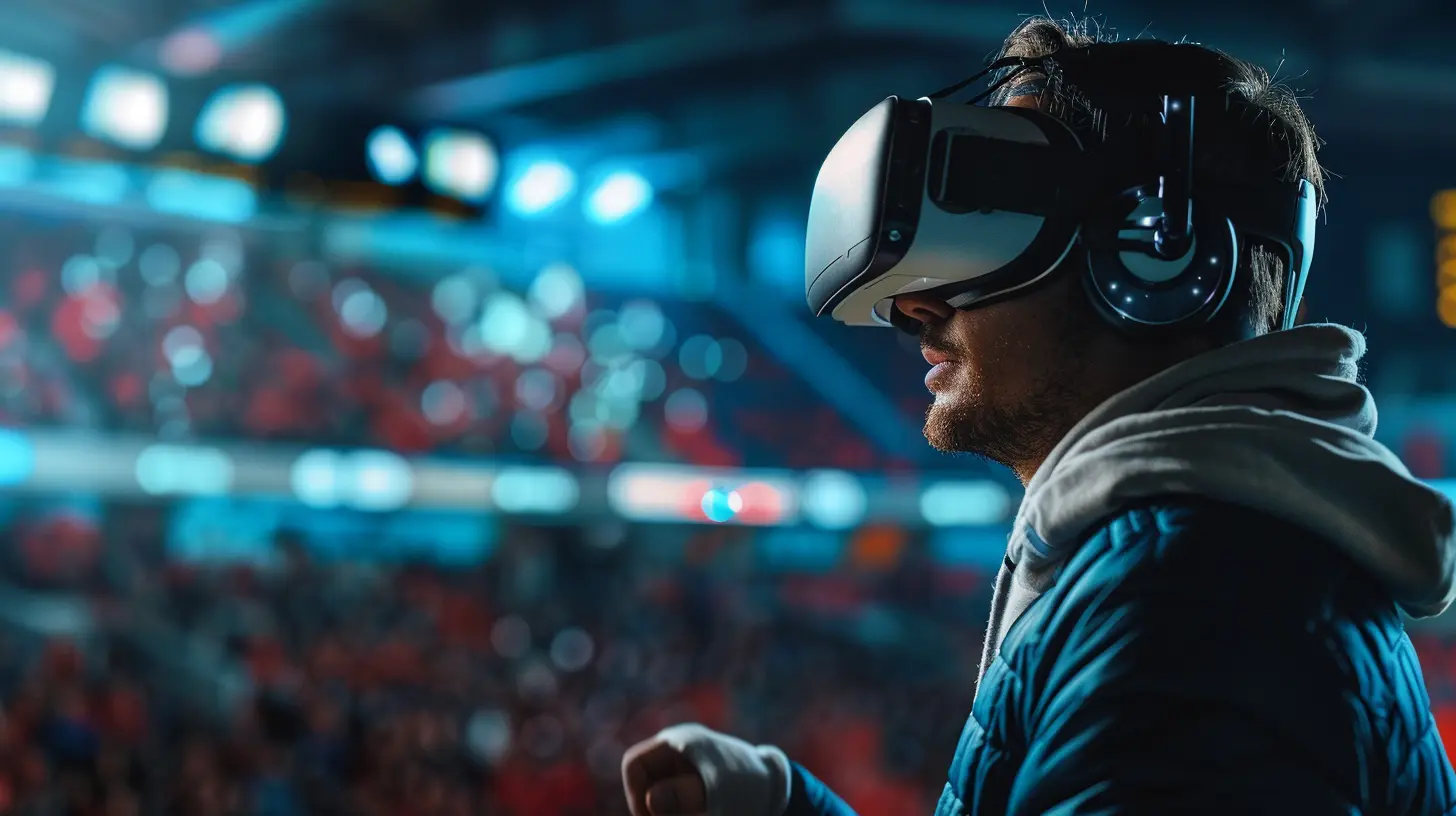
Why VR is the Future of Sports Engagement
Sports streaming has come a long way—from radio broadcasts to black-and-white TV, from HD to 4K. But VR? It’s the next giant leap. Here’s why:1. Unmatched Immersion
Watching a game on TV is one thing, but experiencing it in VR is something entirely different. You can switch perspectives, look around the stadium, and feel the real-time atmosphere just like you would in person.2. The Best Seat in the House—Every Time
Say goodbye to nosebleed seats and obstructed views. With VR, every viewer gets front-row access, no matter where they are in the world.3. Interactive Viewing Experience
VR isn't just about watching; it's about engaging. Imagine selecting different camera angles, pulling up live stats mid-game, or even interacting with virtual replays—all at a flick of your hand.4. Breaking Geographical Barriers
Not everyone can travel to watch their favorite teams play live. VR makes sure no one misses out—whether you're in New York, Tokyo, or a small town in Argentina.5. Socializing Like Never Before
Think watching sports alone in VR is lonely? Think again! Multiplayer VR allows fans to invite friends into a virtual space where they can cheer, chat, and celebrate together—just like in a real stadium.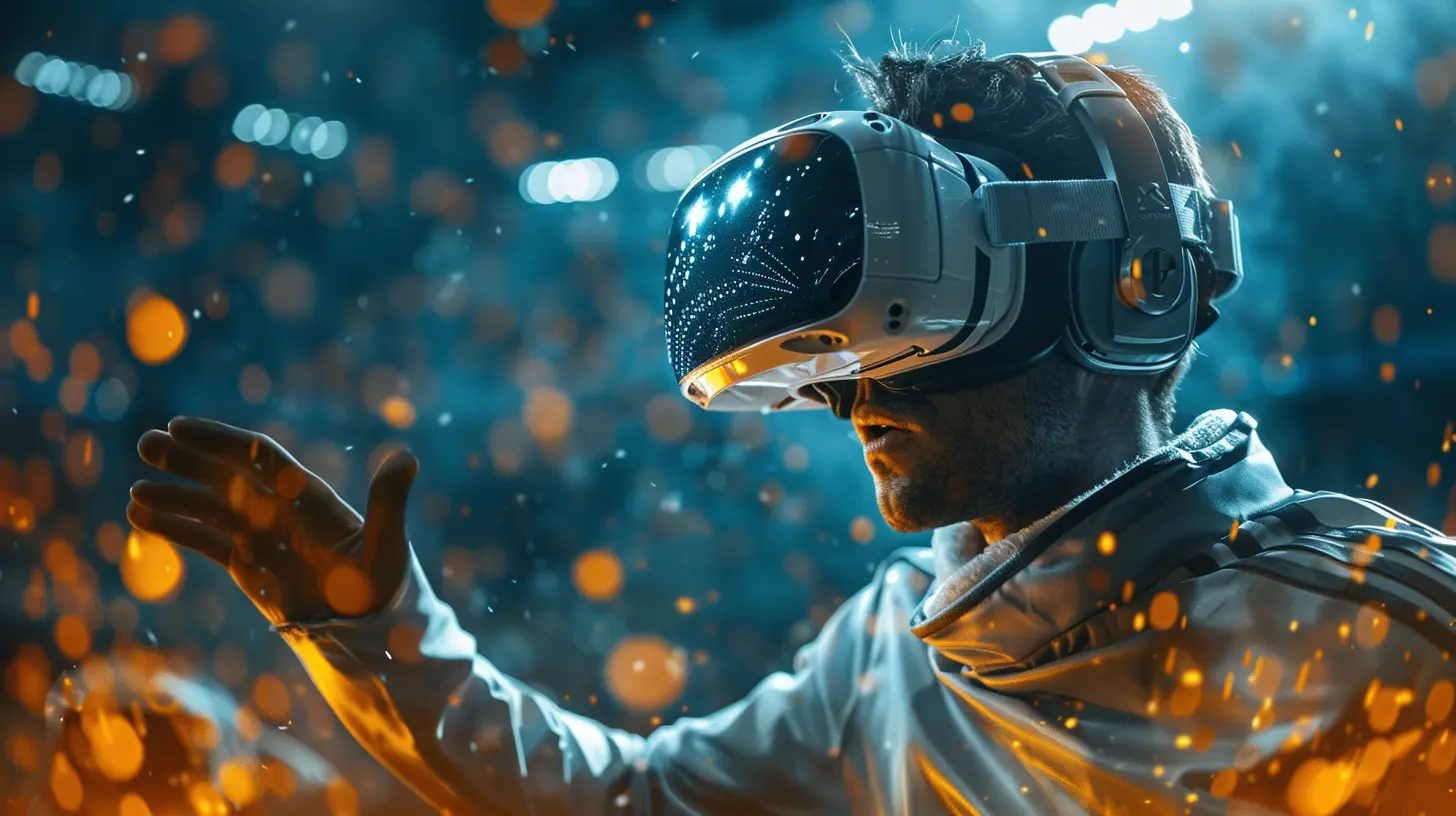
How VR is Changing the Fan Experience
1. Bringing Fans Closer to Athletes
With VR, fans can go beyond the game itself. Picture this: walking into the locker room before kickoff, joining a player’s pre-match warm-up, or listening to a coach’s pep talk from right inside the huddle. Unreal, right?2. Training Like a Pro
Some sports apps offer VR training modes where users can practice like elite athletes. Want to see if you can handle a Steph Curry three-pointer or hit a Cristiano Ronaldo free kick? VR can make that happen.3. Exclusive Behind-the-Scenes Coverage
VR streaming doesn’t stop at live matches. Fans can get access to behind-the-scenes coverage, including tunnel cam footage, press conferences, or even a day in the life of their favorite player.
The Role of Major Sports Leagues in VR Adoption
Big sports leagues and organizations have already started embracing VR technology.- NBA: The NBA has been a pioneer, offering VR streaming of live games through platforms like NextVR.
- FIFA: VR broadcasts of major tournaments have been tested, giving soccer fans an immersive World Cup experience.
- NFL & MLB: Both leagues have experimented with VR broadcasts to enhance fan engagement.
As more leagues invest in VR, we can expect a surge in high-quality VR content available for fans worldwide.
The Technology Behind VR Sports Streaming
If you’re wondering how VR sports streaming actually works, here’s the magic behind it:1. 360-Degree Cameras
Multiple high-resolution cameras capture every angle of the game, ensuring a 360-degree panoramic view.2. Ultra-Low Latency Streaming
For a seamless experience, ultra-fast internet speeds and 5G technology ensure there’s no lag between live action and what you see in VR.3. AI and Augmented Reality (AR) Integration
Some VR experiences incorporate AI-powered analytics and real-time AR overlays, like instant replays, player stats, and tactical breakdowns.Challenges and Limitations of VR Sports Streaming
As promising as it sounds, VR sports streaming isn't without its hurdles:1. Expensive Hardware
VR headsets, such as Meta Quest, HTC Vive, and PlayStation VR, can be pricey for many fans.2. Internet Speed Requirements
Streaming VR in high resolution requires ultra-fast internet, something not accessible to everyone.3. Motion Sickness Concerns
Some users experience motion sickness in VR, which can affect long viewing sessions.4. Limited Availability of VR Content
Not all sports leagues have jumped on the VR bandwagon yet, so content options are still growing.However, with rapid advancements in technology, these challenges are likely to be temporary roadblocks rather than long-term issues.
What’s Next for VR Sports Streaming?
With tech giants investing heavily in VR innovations, the future of sports streaming looks incredibly bright. Here’s what we can expect:1. Fully Interactive VR Sports Stadiums
Fans may soon have the option to walk around virtual stadiums, explore different sections, or even interact with fellow supporters globally.2. Haptic Feedback & Sensory Integration
Imagine feeling the vibrations of a roaring crowd or the impact of a hard tackle through haptic vests and gloves. This could bring an entirely new level of realism to sports streaming.3. AI-Driven Personalized Content
Future VR experiences may adapt in real-time based on your preferences, suggesting camera angles, replays, or even curated highlights tailored to your favorite team.4. Subscription-Based VR Sports Services
Much like Netflix and Disney+, we may soon have dedicated VR sports streaming platforms that offer live games, interactive viewing modes, and exclusive VR content.Final Thoughts
VR sports streaming isn’t just a trend—it’s a revolution. The line between watching and experiencing is blurring, and fans are now closer to the action than ever before.As VR technology continues to evolve, watching sports won’t just be a passive activity; it will be an immersive, interactive journey that brings fans closer to the game like never before.
So, are you ready to step into the future of sports? VR is knocking on the door—time to put on your headset and dive in!
all images in this post were generated using AI tools
Category:
Live StreamingAuthor:

Nelson Bryant
Discussion
rate this article
1 comments
Karen Conrad
VR will transform how we experience sports... exciting times ahead!
June 27, 2026 at 3:53 AM
Nelson Bryant
Absolutely! VR is set to bring fans closer to the action than ever before. Exciting indeed!