Meet the Trailblazers: Athletes Breaking Barriers of Age and Expectation
10 November 2026
In the realm of sports, age and expectation have often served as barriers, dictating what is considered possible for athletes. However, a new generation of trailblazers is redefining these boundaries. These athletes are not just competing; they are transforming perceptions about age, capability, and what it means to excel in their respective sports. This article delves into the stories of these remarkable individuals, examines the factors contributing to their success, and offers insights into how they are reshaping the landscape of athletics.
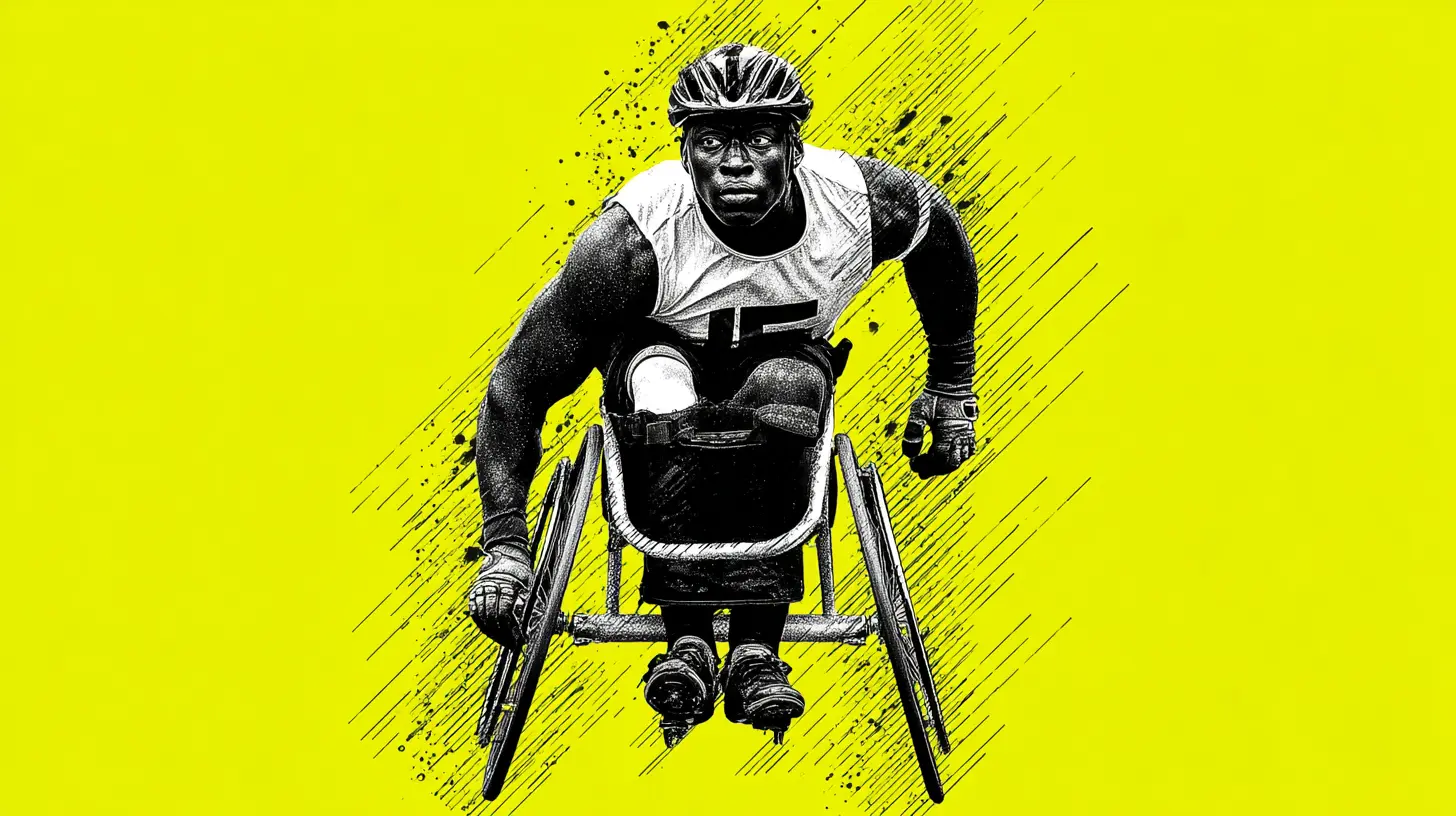
The New Age of Athleticism
Defying Conventional Age Limits
Traditionally, certain sports have been associated with specific age ranges. For instance, gymnastics and figure skating often see competitors peaking in their teens or early twenties, while sports like golf and tennis have seen success extend into the thirties and beyond. However, athletes like Tom Brady in football and Serena Williams in tennis have shown that excellence can flourish at any age.Brady, who won his last Super Bowl at 43, exemplifies how dedication to fitness, nutrition, and mental preparation can extend an athlete's career. His regimen includes a focus on pliability and recovery, which contrasts with the more conventional strength training methods often employed by younger athletes. This approach not only prolongs his career but also enhances his performance, challenging the notion that age limits an athlete's potential.
The Mental Game
Mental resilience is a common thread among these trailblazers. Athletes like Williams have spoken openly about the psychological challenges they face, including the pressure to perform and the scrutiny from fans and media. Their ability to navigate these pressures often sets them apart from their peers. Williams, for instance, has emphasized the importance of mental health and self-care, advocating for a balanced approach to competition and personal well-being.
Physical Preparation and Longevity
Training Regimens Tailored for Longevity
One of the key factors enabling older athletes to perform at elite levels is the evolution of training methodologies. Many of these athletes have adopted personalized training regimens that prioritize recovery and injury prevention. For example, LeBron James has invested in a team of trainers and nutritionists to maintain his physical condition. His commitment to recovery practices, including cryotherapy and massage, illustrates how modern athletes are prioritizing longevity.Nutrition and Recovery
Nutrition plays a pivotal role in an athlete's longevity. The understanding of dietary needs has advanced significantly, allowing athletes to tailor their diets to support performance and recovery. For example, a plant-based diet, which has gained traction among some athletes, can provide the necessary nutrients while reducing inflammation. However, this approach may not suit everyone, and athletes should consider their unique needs and preferences when making dietary choices.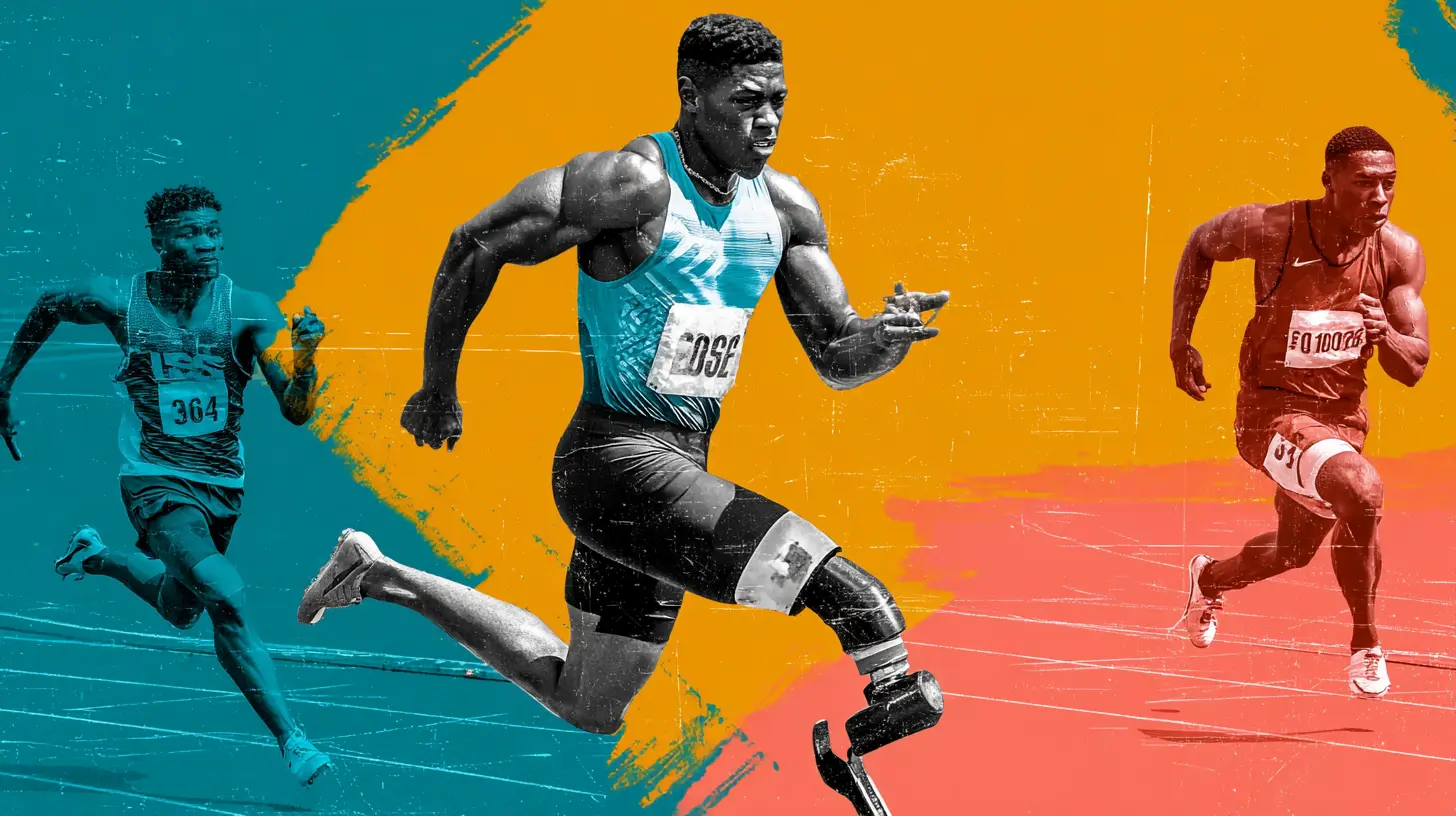
Breaking Stereotypes in Various Sports
Women in Sports
Women athletes are increasingly breaking barriers, challenging stereotypes about age and capability. Take the example of Dara Torres, who competed in the Olympics at the age of 41, becoming the oldest swimmer to earn a spot on the U.S. Olympic team. Torres's journey underscores the importance of experience and technique over sheer physical prowess. Her story encourages younger athletes to appreciate the value of skill development and mental strength.The Rise of Masters Competitions
The rise of masters competitions has also played a significant role in reshaping expectations. These events allow older athletes to compete against their peers, fostering a sense of community and encouraging participation regardless of age. This trend not only validates the efforts of older athletes but also inspires younger generations to pursue their passions without the fear of age-related limitations.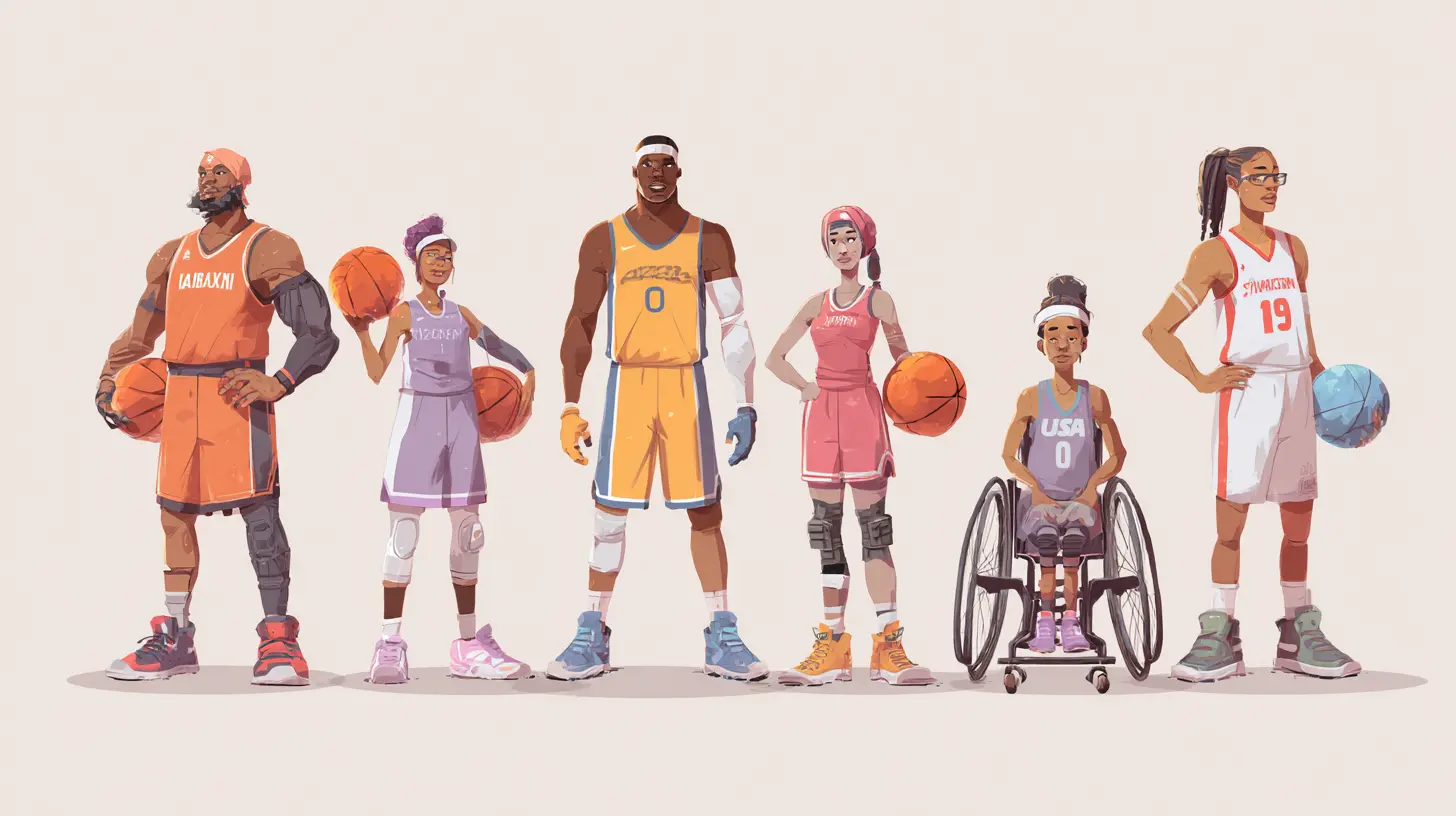
Common Misconceptions
Age as a Limiting Factor
One of the most pervasive misconceptions in sports is that age inherently limits an athlete's potential. While it is true that physical capabilities may decline with age, many athletes have demonstrated that strategic training and mental fortitude can offset these changes. The key lies in understanding individual strengths and weaknesses and adapting training accordingly.The Myth of Peak Performance
Another misconception is that peak performance is a fixed point in time. In reality, peak performance can vary greatly among individuals. Factors such as training, lifestyle choices, and mental health can influence when an athlete reaches their peak. Therefore, rather than adhering to a rigid timeline, athletes should focus on continuous improvement and adaptability.The Role of Technology in Sports
Advancements in Training Tools
Technology has revolutionized the way athletes train and prepare for competition. Wearable devices, for instance, provide real-time data on heart rate, sleep patterns, and recovery metrics. This information allows athletes to make informed decisions about their training regimens, ultimately enhancing performance and reducing the risk of injury.Virtual Reality and Simulation
virtual reality (VR) is emerging as a valuable tool for training. Athletes can simulate high-pressure scenarios, helping them develop mental resilience and decision-making skills. This technology enables athletes of all ages to refine their skills in a controlled environment, translating to improved performance during actual competitions.
The Importance of Community Support
Building a Supportive Network
Community support plays a crucial role in an athlete's journey, especially for those breaking barriers of age and expectation. A strong support network can provide encouragement, resources, and mentorship. For instance, older athletes often benefit from the wisdom and experience of their peers, who can share insights and strategies for success.The Power of Role Models
Role models are instrumental in inspiring the next generation of athletes. By showcasing their achievements, trailblazers demonstrate that age should not be a deterrent to pursuing athletic dreams. Young athletes who see older competitors thriving are more likely to believe in their own potential, fostering a culture of inclusivity and perseverance.Practical Tips for Aspiring Athletes
Embrace a Holistic Approach
For aspiring athletes, adopting a holistic approach to training is essential. This includes focusing on physical conditioning, mental health, and nutrition. Balancing these elements will not only enhance performance but also contribute to long-term success.Set Realistic Goals
Setting realistic goals is another critical component of an athlete's journey. Instead of fixating solely on winning, athletes should aim for personal growth and skill development. This mindset fosters resilience and encourages athletes to view challenges as opportunities for improvement.Prioritize Recovery
Finally, recovery should be a top priority. Athletes often underestimate the importance of rest and recovery in their training regimens. Incorporating practices such as stretching, foam rolling, and adequate sleep can significantly impact performance and longevity.
Conclusion
The stories of athletes breaking barriers of age and expectation serve as powerful reminders that limitations are often self-imposed. By embracing new training methodologies, prioritizing mental health, and fostering supportive communities, these trailblazers are reshaping the narrative around age in sports. Their journeys inspire not only their peers but also future generations, encouraging a culture where passion and perseverance take precedence over age.As we continue to witness the evolution of athleticism, it is clear that barriers can be dismantled with determination and innovation. The next time you watch a competition, remember the trailblazers who have paved the way, proving that age is merely a number and that the human spirit knows no bounds.
all images in this post were generated using AI tools
Category:
Next Generation AthletesAuthor:

Nelson Bryant

