Jesse Owens: Defying Hitler and Making Olympic History
2 July 2026
When we talk about jaw-dropping moments in sports history, few can top what Jesse Owens pulled off in 1936. Picture this: Berlin, Germany, smack dab under Hitler’s rule. The entire world’s eyes glued to the Olympic stadium, and here comes an African-American sprinter not just winning but dominating. Jesse Owens didn’t just run fast—he ran right through the barriers of racism, politics, and hate.
This is the story of how one man, armed with nothing but talent, determination, and guts, flipped the script on Nazi propaganda and made history that still echoes today.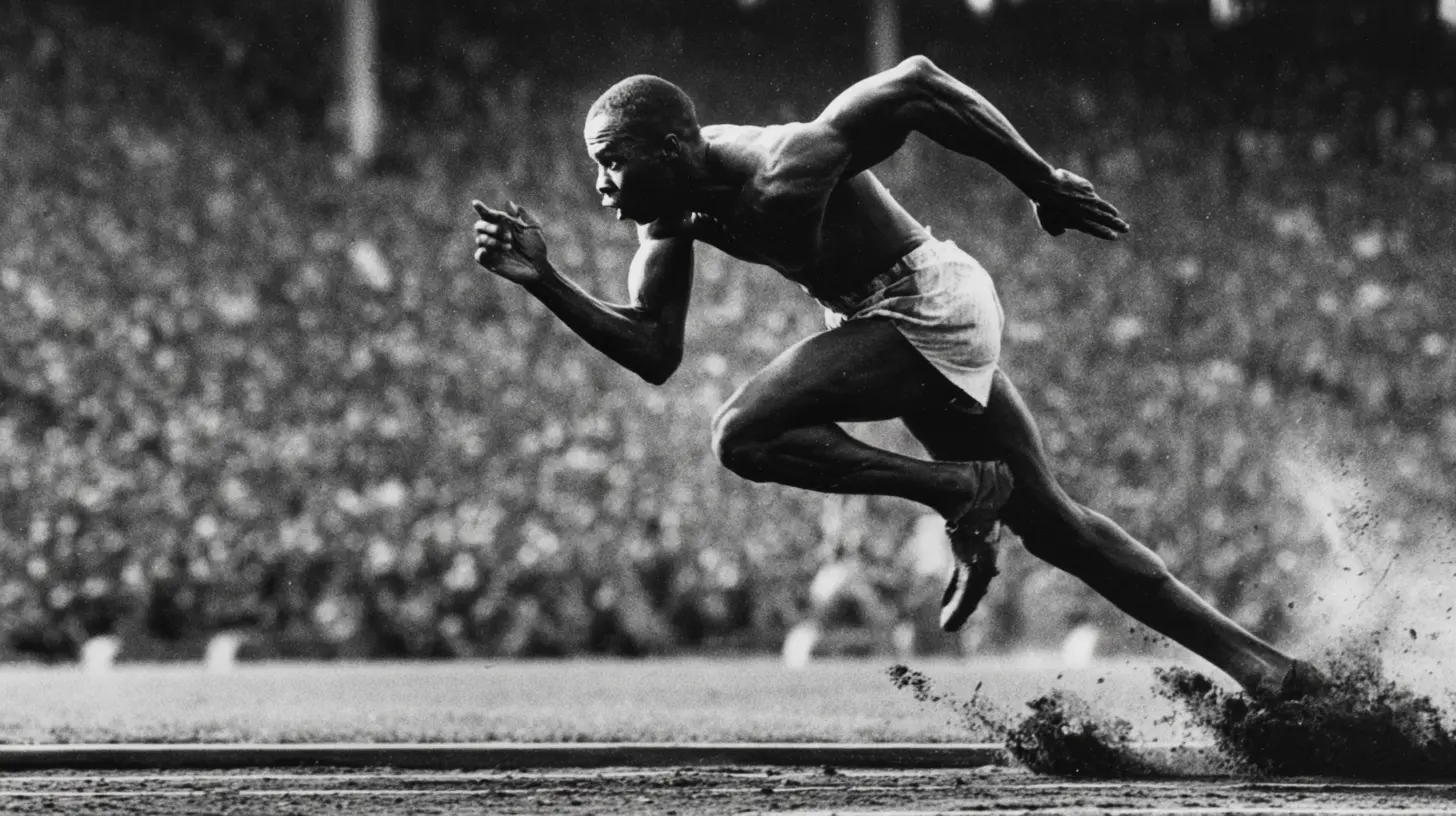
Who Was Jesse Owens?
So, who was this guy that shook the world in the 1936 Olympics?James Cleveland Owens, better known as Jesse Owens, was born in 1913 in Oakville, Alabama. Coming from a humble background, his early life was anything but easy. He was the youngest of ten children, and his family faced deep poverty. Racism? That was sadly an everyday reality.
But Owens had a gift—a rare, god-given talent for running and jumping. His speed was like something out of a comic book. By the time he hit college at Ohio State University, his athletic prowess was impossible to ignore. He was already breaking records and turning heads.
Yet, let’s not forget, this was still the 1930s America where segregation was alive and well. Even at Ohio State, Jesse couldn’t live on campus or eat at most restaurants due to his skin color. But nothing could stop his fire.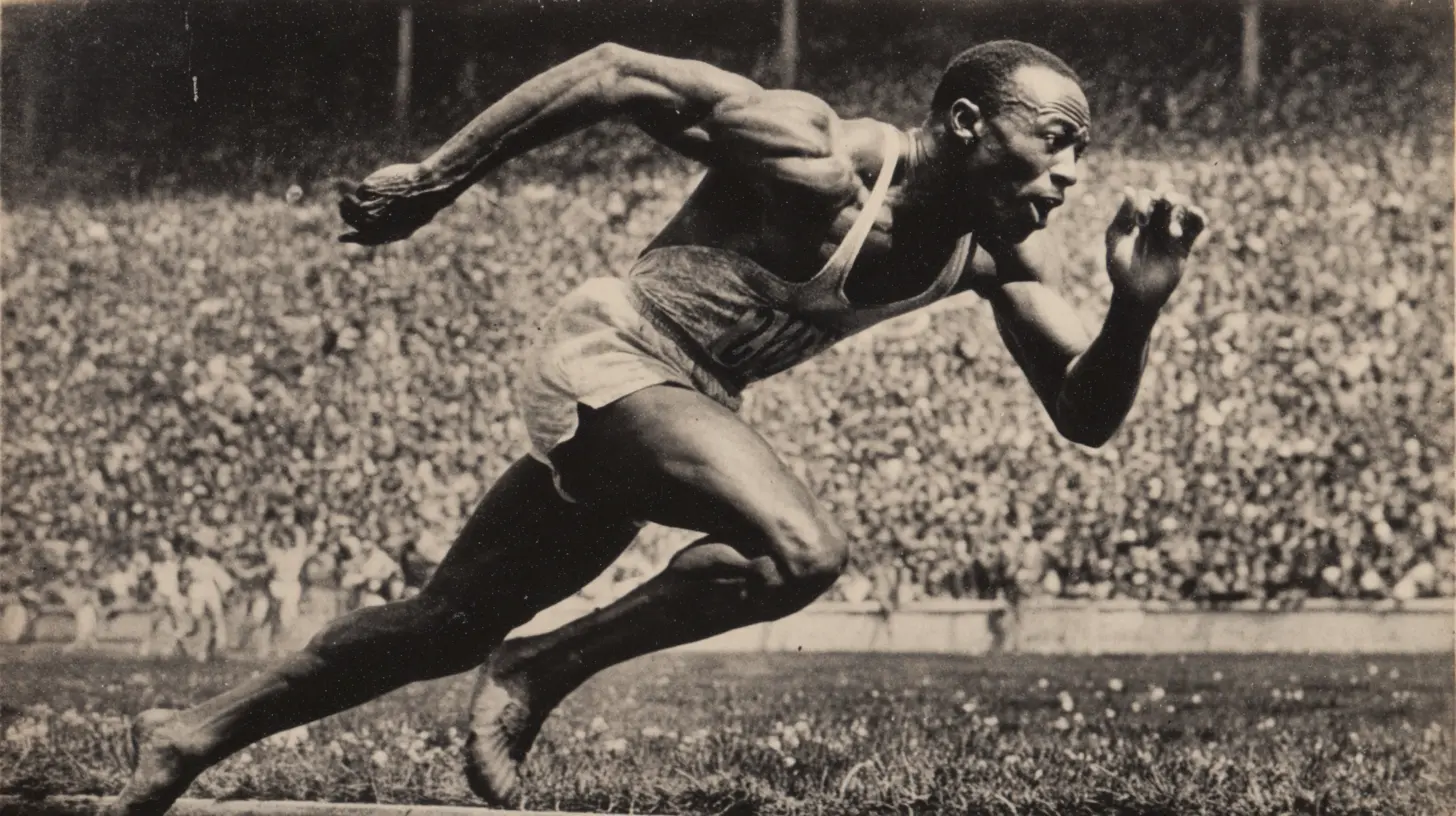
Setting the Stage: The 1936 Berlin Olympics
Alright, let’s fast forward to 1936. The Summer Olympics were set to take place in Berlin, Germany. But this wasn’t just any Olympics—this was Hitler’s Olympics. Nazi Germany wanted to use the Games as a global stage to showcase Aryan superiority and white nationalism.Yikes, right?
Now picture Hitler thinking that his athletes would steamroll the competition, especially people of color. But then walks in Jesse Owens, cool as ice, ready to prove that greatness has no skin color.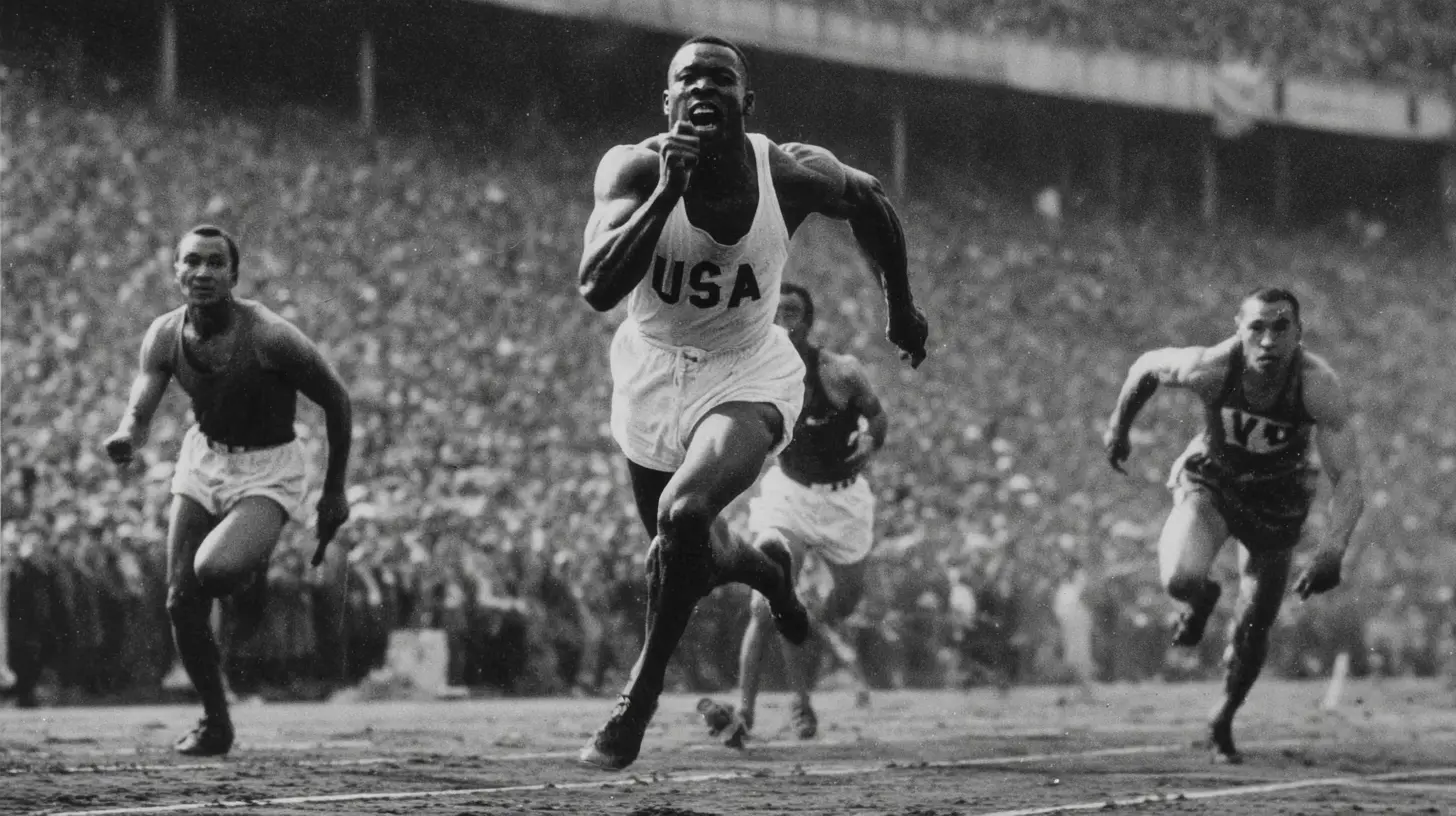
Four Gold Medals. One Defiant Message.
In an Olympic event oozing with political and racial tension, Jesse Owens didn’t just participate—he owned it. In fact, he put on one of the greatest athletic performances of all time.Here’s what he did:
1. 100-Meter Dash – Gold Medal
This was pure speed on display. Owens blazed past the competition like they were standing still. His time? 10.3 seconds. Blisteringly fast for that era.2. Long Jump – Gold Medal
There’s a legendary story here. During his practice rounds, Jesse kept fouling. That's when German competitor Luz Long stepped in, offering Owens advice to make a safer qualifying jump. Talk about sportsmanship in the middle of global tension!Not only did Owens take the advice, but he also jumped 8.06 meters—a record that stood for 25 years. And yeah, that gold medal was his too.
3. 200-Meter Dash – Gold Medal
Owens made this one look like a walk in the park. He clocked in at 20.7 seconds, another Olympic record. He was on fire.4. 4x100 Meter Relay – Gold Medal
Originally, Owens wasn’t even supposed to run this race. But after two Jewish-American athletes were pulled out by the U.S. Olympic Committee (a controversial and shameful move), Owens stepped in—and, yep, helped the team win gold.Four events. Four gold medals. In front of Adolf Hitler.
Talk about poetic justice.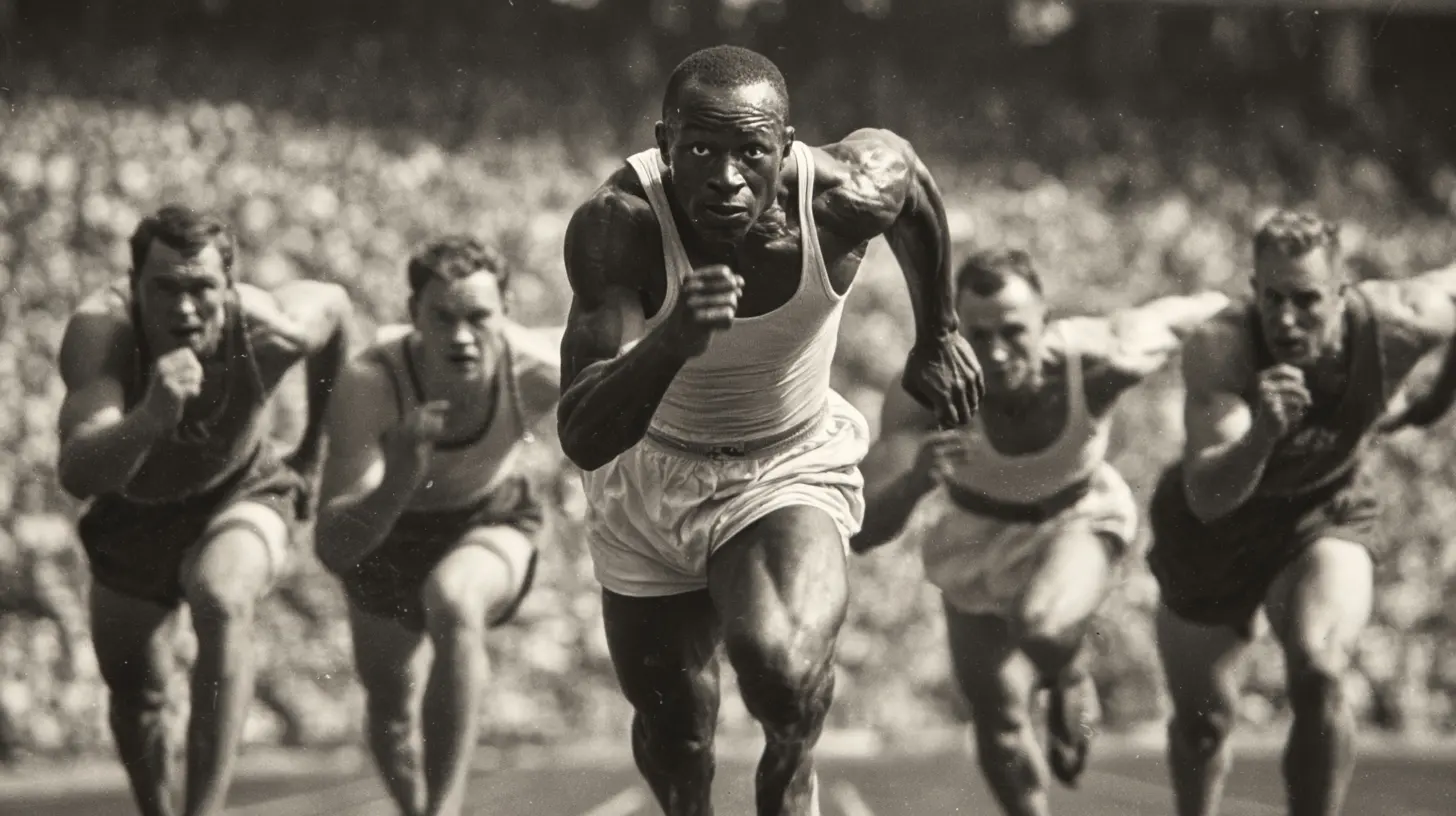
Did Hitler Snub Jesse Owens?
Here’s where it gets a bit muddy. There’s a long-standing claim that Hitler refused to shake Jesse Owens' hand. It’s partly true. After the first day of events, Hitler was advised to either greet all medalists or none. He chose none.But what stings even more? Jesse didn’t get a hero’s welcome back in the U.S. either. There was no White House ceremony. No parade. President Franklin D. Roosevelt never even sent him a telegram. Let that sink in.
Breaking Records and Breaking Barriers
Owens' Olympic feats were not just about sports—they were about smashing barriers and rewriting narratives. In just a few days, he tore through the myth of Aryan supremacy and reminded the world that excellence knows no race.And here’s the kicker: Jesse achieved all of this while battling racism in his own country. He represented a nation that didn’t fully respect him, yet he held his head high and showed the world what true greatness looks like.
Life After the Olympics
You’d think that four gold medals would turn you into a millionaire or at least offer endless career opportunities, right?Not so much.
When Jesse returned to America, he still had to use the service elevator to attend a gala held in his honor. He struggled to find work and, at one point, even raced against horses to make ends meet. Sad, isn’t it?
Yet, Owens never lost his dignity. Over time, he became a public speaker, traveled the world, and used his platform to talk about the importance of sportsmanship, unity, and perseverance.
A Legacy That Refuses to Fade
Decades later, Jesse Owens’ impact still lingers in every conversation about sports, equality, and courage.He was awarded the Presidential Medal of Freedom in 1976. A year later, he passed away from lung cancer at age 66. But his legacy? Untouchable.
Film adaptations, books, school programs—his story continues to inspire new generations. He’s a reminder that sometimes, the fastest way to change history is to simply—run.
Let’s Talk About That Luz Long Moment Again
Remember Luz Long? The German long jumper who gave Owens advice?Their friendship was the kind of feel-good story people don’t expect from that era. After Owens won the gold, Long walked arm-in-arm with him across the track, a gesture of true class that defied Nazi ideology. That’s more powerful than any medal.
They kept in touch after the Games. Sadly, Long died during World War II. But in a letter sent to Owens before his death, Long asked him to one day visit his son and tell him about the friendship they shared.
And guess what? Owens did just that.
Jesse Owens’ Influence on Future Generations
Let’s be real—without Jesse Owens blazing the trail, we might not have had Muhammad Ali, Jackie Robinson, Serena Williams, or LeBron James speaking out and standing tall.He proved that athletes can—and should—be more than just entertainers. They can challenge norms, inspire change, and spark movements.
Owens didn’t ask for fame. He didn’t demand attention. He just ran harder, jumped higher, and stood stronger than anyone else. And by doing that, he did what even armies couldn’t—he shook the foundations of an empire with nothing more than pure talent and resilience.
Why His Story Still Matters Today
In today’s world, where conversations about inequality, racism, and justice are far from over, Jesse Owens’ story is a timely reminder that greatness can rise from adversity.He didn’t just win medals. He won hearts. He didn’t just break records. He broke walls.
His life tells us that it's not about where you come from, but where you're going—and how fast you're willing to run toward it.
Final Thoughts: A Sprint That Changed the World
Jesse Owens didn’t set out to change the world—but oh boy, did he.He went to Berlin to compete. He left having made an indelible mark on history. And that’s the kind of legacy that transcends medals and titles. That’s the kind of legacy that defines a true hero.
So next time you watch the Olympics or see an athlete breaking down barriers, remember Jesse. He did it first, and he did it in the most powerful way possible—with dignity, grace, and the speed of a lightning bolt.
all images in this post were generated using AI tools
Category:
Sports HistoryAuthor:

Nelson Bryant
Discussion
rate this article
1 comments
Ezra Thomas
What an inspiring story! Jesse Owens' courage and talent changed history and still resonates today...
July 18, 2026 at 2:46 AM
Nelson Bryant
Thank you! Jesse's determination truly left a lasting impact, reminding us of the power of resilience and excellence.