Inside the Mental and Physical Toll of Chasing History by 2026
11 November 2026
As the world of sports continually evolves, athletes push the boundaries of what is possible, often setting their sights on monumental achievements. The chase for history, particularly in high-stakes environments like the Olympics or World Cups, is not just a physical endeavor; it is a profound mental challenge as well. As we approach 2026, the pressure intensifies on athletes to not only perform but to etch their names into the annals of sporting history. This article delves into the multifaceted toll of this pursuit, exploring both the mental and physical aspects that athletes must navigate.

The Pressure of Expectations
Understanding the Weight of Expectations
Every athlete knows that the stakes are high. Whether it's a record-breaking performance or a gold medal, the expectations from fans, sponsors, and the media can be overwhelming. For instance, consider the pressure faced by elite sprinters during the Olympics. The world watches as they prepare to run the race of their lives, and the weight of expectation can lead to anxiety and self-doubt.The Psychological Toll
The mental strain that comes with these expectations can manifest in various ways. Anxiety is a common response. Athletes might experience performance anxiety, leading to a fear of failure that can hinder their ability to perform at their best. The mental toll extends beyond the competition itself; it seeps into training, where fear of underperformance can lead to burnout.Real-World Examples
Take Michael Phelps, for instance. The swimmer faced immense pressure during his career, particularly during the 2008 Beijing Olympics, where he aimed to win eight gold medals. The expectation to succeed weighed heavily on him, leading to moments of doubt and anxiety. Phelps has since spoken openly about his struggles with mental health, highlighting the importance of addressing these issues.
Balancing Physical and Mental Health
The Importance of Holistic Training
Chasing history requires a balanced approach to both mental and physical health. Athletes should prioritize a holistic training regimen that incorporates physical conditioning, mental resilience, and emotional well-being. This might include strength training, cardiovascular fitness, and mental coaching.Incorporating Mental Training
Mental training is often overlooked but is crucial for success. Visualization techniques, mindfulness, and cognitive behavioral strategies can help athletes manage stress and improve focus. For example, many top athletes use visualization to mentally rehearse their performances, which can enhance confidence and reduce anxiety.Practical Advice
Athletes should consider working with sports psychologists who specialize in mental performance. These professionals can provide tailored strategies to help manage pressure and maintain mental health. incorporating relaxation techniques like yoga or meditation into a training routine can be beneficial.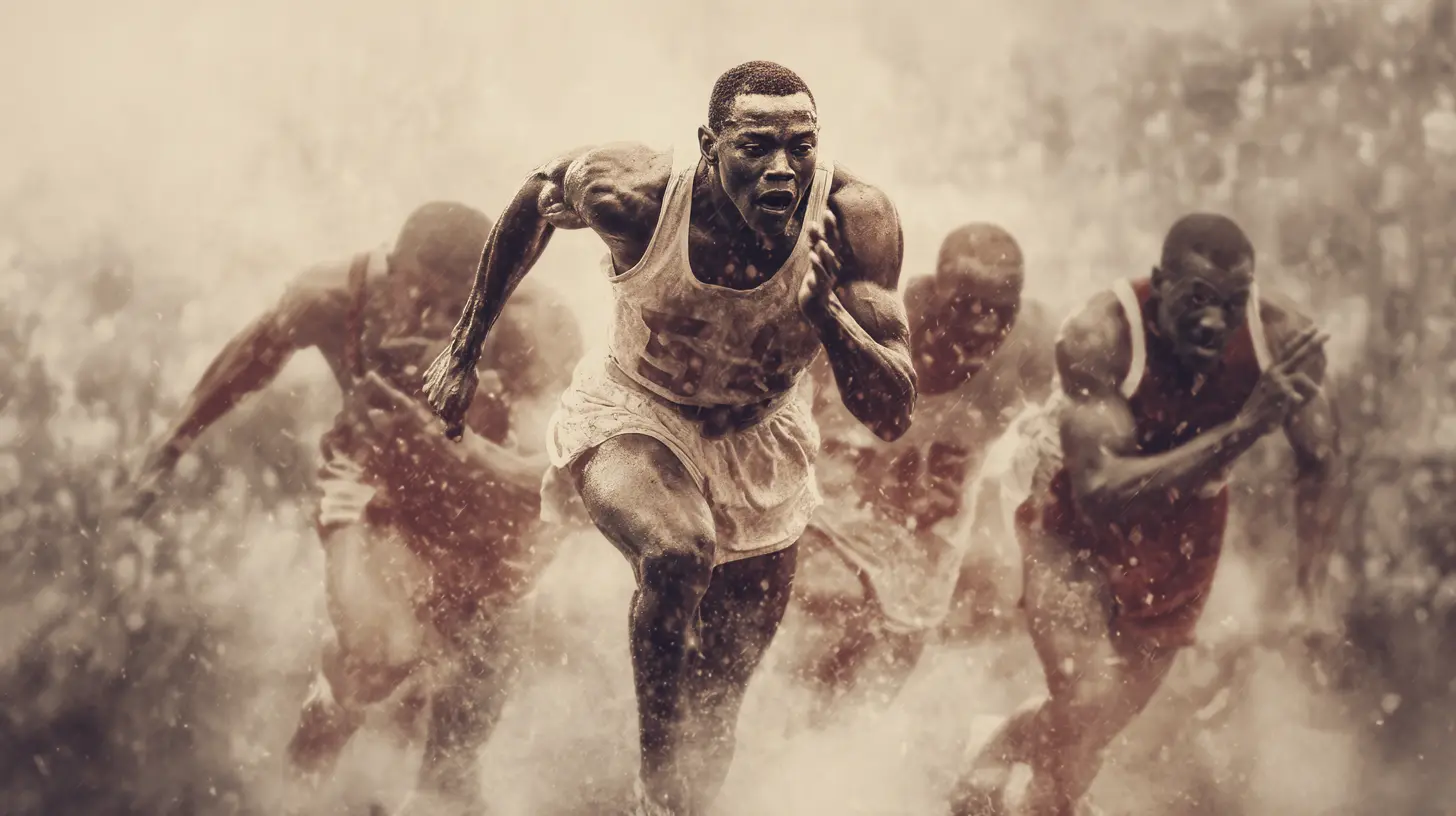
The Physical Demands of Chasing History
Understanding the Physical Toll
The physical demands of training and competition can be grueling. Athletes often push their bodies to the limit, which can lead to injuries and long-term health issues. The pursuit of excellence often involves rigorous training schedules, sometimes leading to overtraining syndrome.Recognizing Signs of Overtraining
Overtraining can manifest in various ways, including fatigue, decreased performance, and mood swings. Athletes should be vigilant about their bodies and recognize when they need to take a step back. Listening to one's body is crucial; ignoring the signs can lead to serious injuries that could derail a career.Best Practices for Recovery
Recovery is just as important as training. Athletes should prioritize rest days, engage in active recovery, and utilize techniques like massage therapy and physiotherapy. Nutrition also plays a critical role in recovery; a well-balanced diet rich in vitamins and minerals can aid in muscle repair and overall health.
The Role of Support Systems
Building a Strong Support Network
No athlete is an island. The support of coaches, family, and friends can make a significant difference in managing the mental and physical toll of chasing history. A strong support system can provide encouragement, guidance, and a sense of stability amidst the chaos of competition.Communication is Key
Open communication with coaches and teammates can help athletes express their feelings and concerns. This feedback loop is essential for addressing issues before they escalate. Coaches should foster an environment where athletes feel comfortable discussing their mental health and any physical concerns.Real-Life Examples
Consider the role of support in the careers of athletes like Serena Williams, who has often credited her family and team for her success. Their unwavering belief in her abilities has helped her navigate the pressures of high-stakes competition.The Impact of Social Media
Navigating the Digital Landscape
In today's digital age, social media plays a significant role in shaping an athlete's experience. While it can be a powerful tool for engagement and inspiration, it can also amplify pressures and expectations. Athletes must learn to navigate this landscape carefully.The Double-Edged Sword of Public Perception
On one hand, social media allows athletes to connect with fans and share their journeys. On the other hand, negative comments and unrealistic comparisons can lead to mental strain. Athletes should consider curating their social media feeds to include positivity and support, and take breaks when needed.Strategies for Healthy Engagement
Athletes might benefit from setting boundaries around their social media use. This could include limiting time spent online or unfollowing accounts that promote negativity. Engaging with supportive communities can also create a more positive online experience.
The Importance of Mindfulness and Mental Resilience
Cultivating Mental Toughness
Mental resilience is a crucial trait for athletes chasing history. The ability to bounce back from setbacks and maintain focus under pressure can make all the difference. Mindfulness practices, such as meditation and breathing exercises, can help athletes develop this resilience.Techniques for Building Resilience
Athletes can incorporate mindfulness techniques into their routines. Simple practices like focused breathing or gratitude journaling can enhance mental clarity and reduce stress. These techniques allow athletes to stay grounded, even in the face of pressure.Real-World Applications
Many successful athletes, like LeBron James, have spoken about the importance of mental resilience. James emphasizes the need for mental preparation alongside physical training, showcasing how mindfulness can play a role in achieving greatness.Preparing for the Home Stretch: 2026
Setting Realistic Goals
As the 2026 events approach, athletes must set realistic, achievable goals. While the desire to break records is strong, it is essential to balance ambition with practicality. Setting incremental goals can help athletes stay motivated without succumbing to overwhelming pressure.The Role of Adaptability
Flexibility in training and competition strategies is crucial. Athletes should be prepared to adapt to changing circumstances, whether it's an injury, a shift in competition, or personal challenges. The ability to pivot can be a game-changer in the pursuit of history.Emphasizing Enjoyment
the joy of the sport should not be lost in the pursuit of records. Athletes should remind themselves of why they began their journey in the first place. Fostering a love for the sport can provide a strong foundation that supports both mental and physical health.
Conclusion
Chasing history by 2026 presents a unique set of challenges for athletes. The mental and physical toll of this pursuit is significant, but with the right strategies, athletes can navigate these waters successfully. By prioritizing mental health, building strong support systems, and maintaining a balanced approach to training, athletes can not only strive for greatness but also enjoy the journey along the way.The road to success is rarely a straight line, and understanding the complexities of this journey can empower athletes to reach their goals while maintaining their well-being. As we look ahead, let's celebrate the resilience and determination of those who dare to chase history.
all images in this post were generated using AI tools
Category:
Career MilestonesAuthor:

Nelson Bryant