How Weather Conditions Have Impacted World Championship Outcomes
8 July 2026
When you think about world championships—be it in soccer, Formula 1, or track and field—you probably picture world-class athletes, intense rivalries, and nail-biting finishes. But what about the weather?
Yep, you read that right. Weather isn’t just small talk before the big game. It’s often the biggest X-factor in sports, especially when championships are on the line. Whether it’s sizzling heat, torrential rain, icy winds, or blinding snow, weather plays a starring role in the outcome of some of the greatest sporting events.
In this article, we’re diving deep—1800+ words deep—into how weather conditions have impacted world championship outcomes across multiple sports. So, grab your raincoat or your sunscreen (whichever you prefer), and let’s explore how Mother Nature has become one of the most unpredictable game changers in sports history.
Why Weather Matters More Than You Think
Before we get into the nitty-gritty examples, here's the deal: weather affects almost everything in sports—strategy, player performance, equipment, and even fan behavior. Think of it like an invisible player on the field or track. You can't see it, but boy, do you feel it.Think back to your own experience. Ever tried running in the rain or playing a casual soccer match in scorching heat? It’s no joke. Multiply that discomfort by a thousand, add the pressure of a world championship, and you get the picture.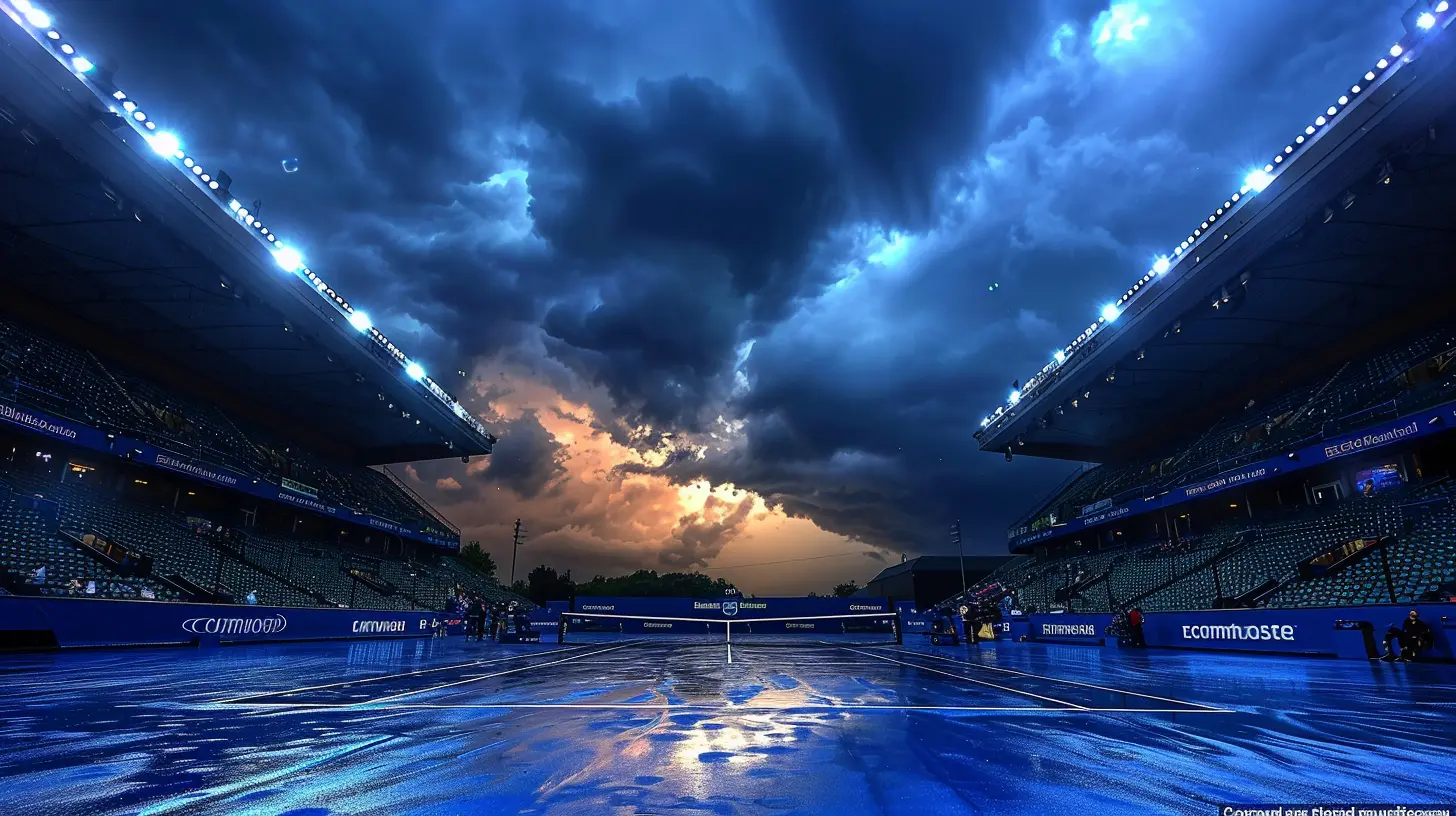
1. Rain-Soaked Fields and Slippery Surfaces in Soccer
Let’s kick things off with the world’s most popular sport—soccer. World Cups are known for delivering drama, and sometimes that drama comes straight from the skies.⚽ The 1974 FIFA World Cup Final (West Germany vs. Netherlands)
The Netherlands came into this game as clear favorites, led by the legendary Johan Cruyff. They were known for their “Total Football” style—fast, fluid, and technical. But guess what? Heavy rainfall turned the pitch into a mud pit. The slick field slowed them down and turned the game into a physical grind-fest.West Germany, used to gritty play and bad weather, adapted better and ended up winning 2-1. Would the Dutch have taken the title on a dry day? We'll never know—but the weather definitely leveled the playing field.
?️ 2014 Brazil World Cup – Multiple Games Drenched
Brazil is known for its tropical weather, and the 2014 World Cup had its fair share of rainstorms. Remember the drenched Group A match between Mexico and Cameroon? The downpour flooded parts of the field, slowed the ball, and created random slips and missed passes. It turned what should’ve been a fluid game into chaotic pinball, altering the flow and potentially the results.
2. The Scorching Heat of Track and Field Championships
Track and field demands peak athletic performance. Now throw in 100°F heat and you’ve got yourself a survival contest.? 2019 World Athletics Championships – Doha, Qatar
The decision to host the championships in Doha’s desert climate is still controversial. Athletes struggled in extreme heat and humidity, especially in long-distance events.The women’s marathon, run at midnight to avoid the day’s heat, still saw more than 40% of runners fail to finish. You read that right: nearly half of the field couldn’t endure the conditions. Performance? Decimated. Personal bests? Forget about it.
The heat didn’t just test physical endurance—it tested mental toughness too. Athletes from cooler climates were at a noticeable disadvantage, while those accustomed to hot weather had a slight edge.
3. Freezing Cold at the Winter Olympics
It goes without saying: winter sports and cold weather go hand in hand. But sometimes, the cold gets out of hand.❄️ 1994 Lillehammer Winter Olympics – Norway
This Olympic Games is famous for its authenticity—natural snow, traditional ski slopes, and outdoor rinks. Sounds idyllic, right? Except temperatures dipped to -25°C (-13°F) during several events.Some athletes were physically affected. Frostbite forced figure skaters and speed skaters to rush through routines, while skiers had to battle numb limbs and reduced muscle function. Cold air also messes with breath control, a huge factor in endurance events.
Do you think competitors performed at their peak in those conditions? Absolutely not. Champions that year were the ones who adapted best, not necessarily those with the fastest times on paper.
4. Wind: The Invisible Adversary
Wind might be invisible, but its effects are brutally obvious—especially in sports like golf, tennis, or even F1 racing.? 2007 Wimbledon - Federer vs. Nadal
This wasn’t a world championship per se, but it was the most prestigious Grand Slam final that year. Gusty winds turned a high-level chess match into a test of mental and physical adaptability.Federer, known for his controlled play and precision, struggled more with the conditions. Nadal, with his more muscular strokes and adaptability, pushed the match into a five-set thriller.
The weather made the game less about finesse and more about grit.
?️ Formula 1: The 2020 Turkish Grand Prix
While not technically a "World Championship" on its own, every Grand Prix contributes toward the ultimate F1 crown. In 2020, Istanbul hosted one of the most chaotic races in recent memory due to a wet and slippery track that never seemed to dry.Lewis Hamilton, already on his way to championship glory, won the race under these horrid conditions—and clinched his 7th World Title. His mastery of tire management and calm execution in extreme weather proved why he's one of the greatest ever.
5. Altitude and Air Pressure – The Silent Game Changers
Okay, this isn’t traditional “weather,” but altitude and air pressure are climate-related and can throw a major wrench into championship plans.⚽ 1986 FIFA World Cup – Mexico City’s High Altitude
Mexico City sits at over 7,000 feet above sea level. That means thinner air, which affects everything—stamina, breathing, even ball trajectory.Some teams complained about fatigue and cramping, especially those that didn’t train at high altitudes. On the flip side, teams that prepared for these conditions had a noticeable boost.
Argentina, led by Diego Maradona, adapted brilliantly. Maradona said he felt "light and fast" on the ball—and his performances, especially the infamous Hand of God and Goal of the Century against England, speak for themselves.
Coincidence? Maybe. But it’s hard to ignore the role the thin air played in shaping one of the most memorable World Cups ever.
6. Golf: Where Wind Can Wreck Your Scorecard
Golfers hate wind. Period. And major championships played in coastal areas are often at the mercy of the breeze.?️ 2002 Open Championship at Muirfield
What started as a calm first couple of rounds turned into a nightmare during round three. Gusts reached up to 40 mph, and suddenly, the pros looked like weekend hackers.Tiger Woods, chasing a calendar-year Grand Slam, shot an 81—his worst round as a pro. The winds didn’t just challenge strategy; they psychologically beat players into submission.
Ernie Els won the tournament, not because he outplayed everyone in perfect conditions, but because he survived the chaos.
7. Cracking the Ice – NHL and Outdoor Conditions
Let’s not forget about ice hockey. While most NHL games are played indoors, the league has some iconic outdoor matchups.? 2008 NHL Winter Classic – Buffalo, New York
The very first Winter Classic was played outdoors in snow flurries and freezing temps—and it was magic. Yes, the puck bounced weirdly. Yes, players struggled with visibility. But the game went into overtime and ended in a shootout. Sidney Crosby scored the winner, etching the match into hockey lore.NHL players called it “the purest form of hockey.” Still, purists admit that the game wasn't exactly technically sound—it was weather-driven emotion that stole the show.
Are Weather-Driven Outcomes Fair?
Let’s be honest: weather doesn’t play favorites. It’s random, chaotic, and often downright unfair. But in many ways, that’s the beauty of sport—it’s human, flawed, unpredictable.The best athletes aren’t necessarily the ones who shine in perfect conditions. They’re the ones who adapt, stay mentally tough, and battle through when nature throws a curveball.
Final Thoughts
Weather may not make the highlights reel, but it deserves an MVP trophy of its own. From turning soccer pitches into puddles to forcing Olympic skiers to race through blizzards, weather shapes world championships in subtle—and sometimes dramatic—ways.So next time you watch a final with rain pouring or the sun beating down, don’t just focus on the players. Pay attention to that silent, swirling force in the background. It might just be the real game-changer.
all images in this post were generated using AI tools
Category:
World ChampionshipsAuthor:

Nelson Bryant
Discussion
rate this article
1 comments
Georgia Cantu
Weather is a game-changer. Champions adapt or lose.
July 21, 2026 at 4:48 AM
Nelson Bryant
Absolutely. Weather can turn the tide in any sport. Champions who adjust their strategies often find success.