How the Super Bowl Became Americas Biggest Event
18 February 2026
The Super Bowl. Just saying those two words can make people’s eyes light up. It’s not just a football game—it’s a cultural phenomenon, an unofficial national holiday, and a spectacle that brings millions together. How did this single event grow into the biggest spectacle in America? Well, that’s what we’re about to uncover.
The Humble Beginnings
Believe it or not, the Super Bowl wasn’t always the gigantic spectacle we know today. The very first Super Bowl, played on January 15, 1967, was a far cry from the high-energy, million-dollar-production we see now. The game, officially known as the AFL-NFL World Championship Game, saw the Green Bay Packers face off against the Kansas City Chiefs. The stands weren’t even full, and the game aired on two networks because the NFL and AFL were still separate entities.But something was brewing. The idea of pitting the best of the best from two rival leagues against each other created a sense of anticipation, and by Super Bowl III, when Joe Namath famously guaranteed victory for his underdog New York Jets, the stakes had skyrocketed. From that point on, the Super Bowl was no longer just a game—it was an event.
The Evolution of the Super Bowl Hype
So, what changed? How did the Super Bowl go from a football championship to the biggest television event of the year? Let’s break it down.The TV Ratings Explosion
Television changed everything. In the early days, the Super Bowl was just another football game, but as television technology improved and more households got access to color TV, something magical happened. Networks realized they had a goldmine on their hands.Advertisers quickly caught on, too. Every year, more and more Americans tuned in, ensuring that big brands saw the Super Bowl as the ultimate platform. Suddenly, commercials weren’t just breaks in the game—they became a key part of the entertainment. Companies started shelling out millions for just 30 seconds of airtime, creating legendary ads that people still talk about decades later.
The Halftime Show Transformation
If you tuned into the early Super Bowls, you’d see college marching bands and modest performances filling the halftime slot. That all changed in the early ’90s when the NFL decided to turn the halftime show into a full-blown production.Then came Michael Jackson’s legendary performance in 1993. That was a turning point. The halftime show was no longer just a sideshow—it was a major reason to tune in. Since then, we’ve seen unforgettable performances from artists like Prince, Beyoncé, and Shakira & J.Lo. In some cases, the halftime show even outshines the game itself.
The Birth of Super Bowl Parties
Watching the Super Bowl isn’t just about football—it’s about the experience. Cities across the country host massive viewing parties, bars are packed, and families gather for a feast worthy of a king. Think about it: Who doesn’t love an excuse to eat nachos, wings, and every dip under the sun?Super Bowl parties have become an annual tradition, bringing in even those who don’t care about football. For many, it’s all about the food, the commercials, and the halftime show. That’s the genius of the Super Bowl—it has something for everyone.
The Power of Commercials
Imagine this: people actually look forward to commercials. When else does that happen? Only during the Super Bowl.Advertisers know they have a golden opportunity, so they pull out all the stops. Some of the most memorable ads in history have debuted during the big game—think Budweiser’s Clydesdales, Apple’s 1984 ad, and the ever-iconic Doritos campaigns.
And let’s not forget the price tag. In recent years, a 30-second commercial has cost upwards of $7 million. That’s how powerful the Super Bowl's grip on America has become.
The Influence of Sports Betting
Let’s talk money, because the Super Bowl isn’t just a game—it’s one of the biggest gambling days of the year. Millions of dollars are wagered on everything from the coin toss to the final score. Offices run Super Bowl squares, fantasy leagues go wild, and sportsbooks see record-breaking numbers.The legalization of sports betting in more states has only fueled this fire. Now, fans can place bets right from their phones, adding an extra layer of excitement to an already nerve-wracking game.
The Super Bowl Effect on Hosting Cities
Hosting a Super Bowl is a BIG deal. Cities compete like crazy to secure the honor, knowing it will bring in massive tourism dollars. Hotels get booked out, local businesses thrive, and the city itself becomes a temporary entertainment hub.Take Miami, for example. Every time the Super Bowl lands there, the entire city transforms into a party scene, drawing celebrities, influencers, and thousands of visitors. The economic impact? Absolutely massive.
The Cultural Impact
The Super Bowl isn’t just a game—it’s a reflection of American culture. Think about it: it’s a mix of sports, entertainment, music, food, and even politics. It brings together people from all walks of life, whether they love football or not.It’s also a moment where history is made. From Whitney Houston’s unforgettable national anthem in 1991 to Colin Kaepernick’s protests sparking conversations about social justice, the Super Bowl has always been more than just a game.
The Super Bowl’s Global Reach
Believe it or not, the Super Bowl isn’t just an American obsession. The game is broadcast in over 180 countries, with people from all over the world tuning in. Sure, football (or as the rest of the world calls it, “American football”) isn’t as big globally as soccer, but thanks to the Super Bowl, it has gained international recognition.From London to Tokyo, Super Bowl watch parties have become a thing. And with the NFL now hosting games in international markets, the league is pushing hard to expand its global footprint.
What’s Next? The Future of the Super Bowl
So what’s the next evolution of the Super Bowl? We’re already seeing changes. Streaming services are entering the mix, making the game more accessible than ever. Social media has transformed how we experience touchdowns, halftime performances, and even the infamous Super Bowl commercials.And let’s not rule out the idea of an international Super Bowl. With games already being played in London and Mexico City, it wouldn’t be shocking if, one day, we saw the biggest game of the year held on foreign soil.
Final Thoughts
The Super Bowl has become more than just a game—it’s a cultural juggernaut. From its humble beginnings in 1967 to the billion-dollar spectacle it is today, it has steadily cemented itself as America’s biggest event. Whether you’re in it for the football, the commercials, the halftime show, or just the excuse to eat your weight in buffalo wings, there’s something about Super Bowl Sunday that makes it feel like a shared experience.It’s unpredictable, it’s thrilling, and it’s uniquely American. And year after year, it just keeps getting bigger.
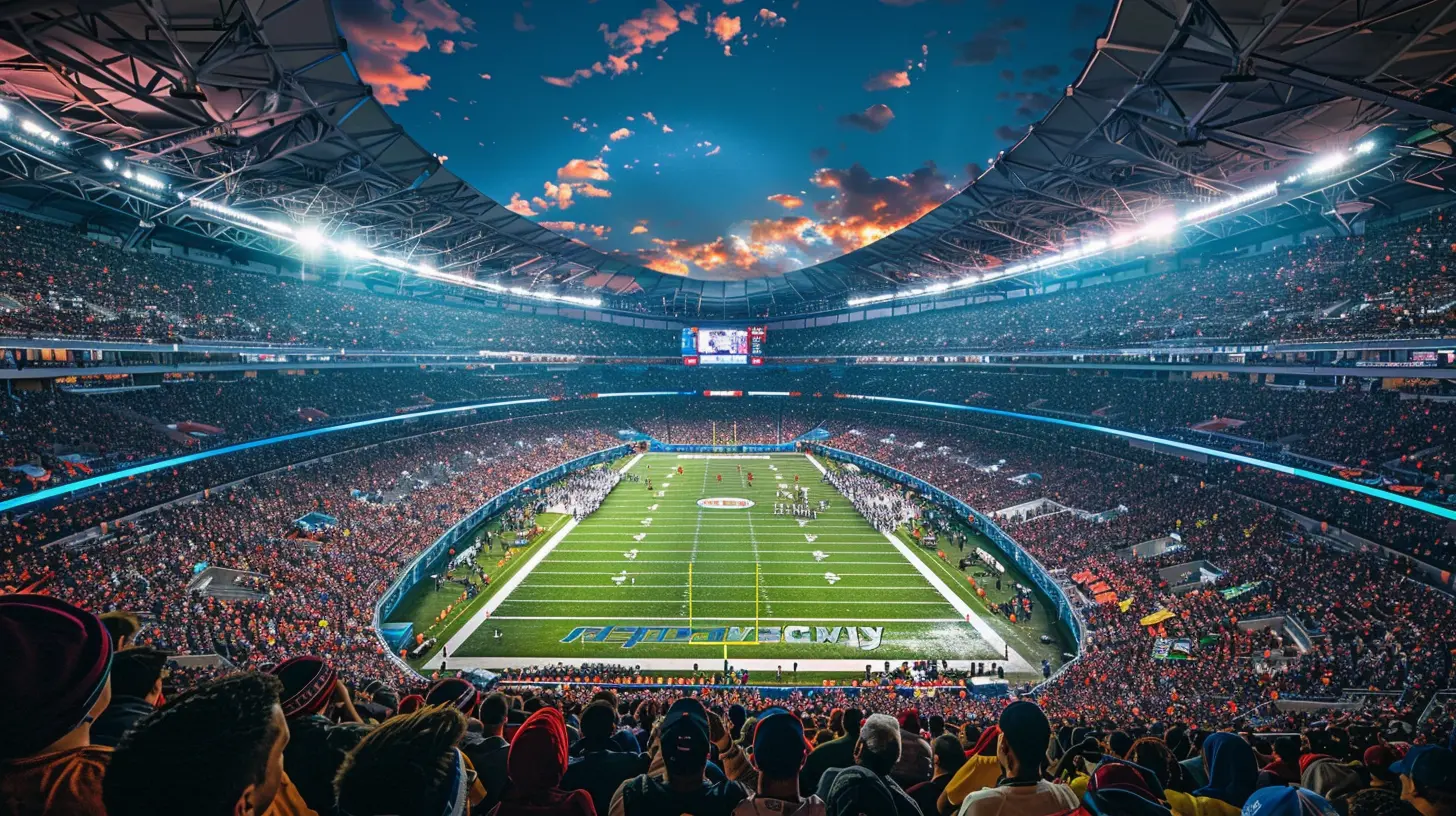
all images in this post were generated using AI tools
Category:
Sports HistoryAuthor:

Nelson Bryant
Discussion
rate this article
2 comments
McGehee
The Super Bowl transcends sports; it’s a powerful cultural phenomenon that unites millions, ignites passion, and showcases the pinnacle of athleticism. It’s a celebration of resilience, teamwork, and the American spirit, reminding us all why we love the game.
March 29, 2026 at 11:43 AM
Nelson Bryant
The Super Bowl truly captures the essence of American culture, bringing people together and highlighting the best of what sports can represent. Its impact goes far beyond the field.
Zane McGinnis
Behind the glitz and glamour of the Super Bowl lies a tapestry of hidden stories and unexpected twists. What secrets in its history have shaped this colossal American phenomenon?
February 20, 2026 at 3:30 AM
Nelson Bryant
The Super Bowl's evolution is marked by cultural milestones, unexpected upsets, and social change, revealing how it became a unifying spectacle that transcends sports.