How Team Chemistry Fueled Victory in 2027
3 October 2026
Every championship team in history has that one ingredient scouts cannot clock with a stopwatch. In 2027, that ingredient stopped being a mystery and started being a strategy. Chemistry won. Not talent alone, not analytics alone, not the biggest payroll or the flashiest highlight reel. The teams that lifted trophies across leagues this year figured out something the rest of the field is still catching up to: trust travels faster than any scheme, and it is considerably harder to defend.
This is not a feel-good story about friendship. It is a breakdown of how chemistry became a measurable competitive advantage, why it beat superior rosters, and what it actually takes to build it without faking it.

What Team Chemistry Actually Means in 2027
Most people describe chemistry as "guys liking each other." That definition is lazy and it is wrong. Plenty of teams full of friends lose. Plenty of teams that cannot stand each other win. Liking each other is a byproduct, not the mechanism.Real chemistry is a set of learned behaviors that show up under pressure:
- Predictive trust. A player knows where a teammate will be before the teammate knows. This is not telepathy. It comes from thousands of reps and honest communication.
- Role acceptance. Everyone understands what they are being asked to do and why, even when the role is unglamorous.
- Conflict tolerance. Disagreement is allowed and even encouraged, because unspoken frustration is the real killer.
- Accountability without blame. Mistakes get addressed directly, then the team moves on. No passive-aggressive group chats, no silent treatment.
The 2027 champions did not have more talent than their opponents. Several of them had less. They had faster decision-making, and faster decision-making is almost always a chemistry product.
Why This Year Was Different
Three forces pushed chemistry from soft skill to hard currency in 2027.First, defensive schemes across major sports have gotten too sophisticated for pure individual brilliance. When every opponent can load up on your best player, one player cannot solve a five-person problem. The ball has to move, and the ball moves faster when players trust the next pass.
Second, roster turnover hit record highs in several leagues. Teams that could integrate new players quickly had a massive edge over teams that needed half a season to figure out their own identity.
Third, the data caught up. Tracking technology now measures things like pass anticipation, defensive rotation speed, and spacing discipline. Those metrics correlate strongly with how well a group functions together, not just how fast or skilled each individual is. Chemistry stopped being a vibe and became a number coaches could point to.

The Anatomy of a Chemistry-Driven Championship
Let us look at what actually happened on the floor, the pitch, and the ice, in general terms that apply across sports.The Extra Pass That Was Not on the Stat Sheet
The defining play of the 2027 finals in several leagues was not a dunk or a goal. It was the pass before the assist. The player who gave up a good shot for a great one. Analytics have always struggled to properly credit this, because the box score rewards the final pass, not the one that cracked the defense open.Teams with elite chemistry make that extra pass instinctively. Teams without it hesitate, and hesitation is death against a modern rotating defense. The difference between a contested mid-range jumper and a wide-open corner three is often one unselfish decision made in half a second.
Defensive Communication You Can Hear
Watch film of the 2027 champions and you will notice something that does not show up in any highlight package: constant talking. Switching, hedging, calling out screens, pointing at cutters. This is not noise. It is information processing at game speed.A defense that communicates well functions like a single organism. A defense that stays quiet has five individuals guessing. The 2027 winners were loud, and their loudness translated directly into fewer blown coverages.
The Bench as a Weapon
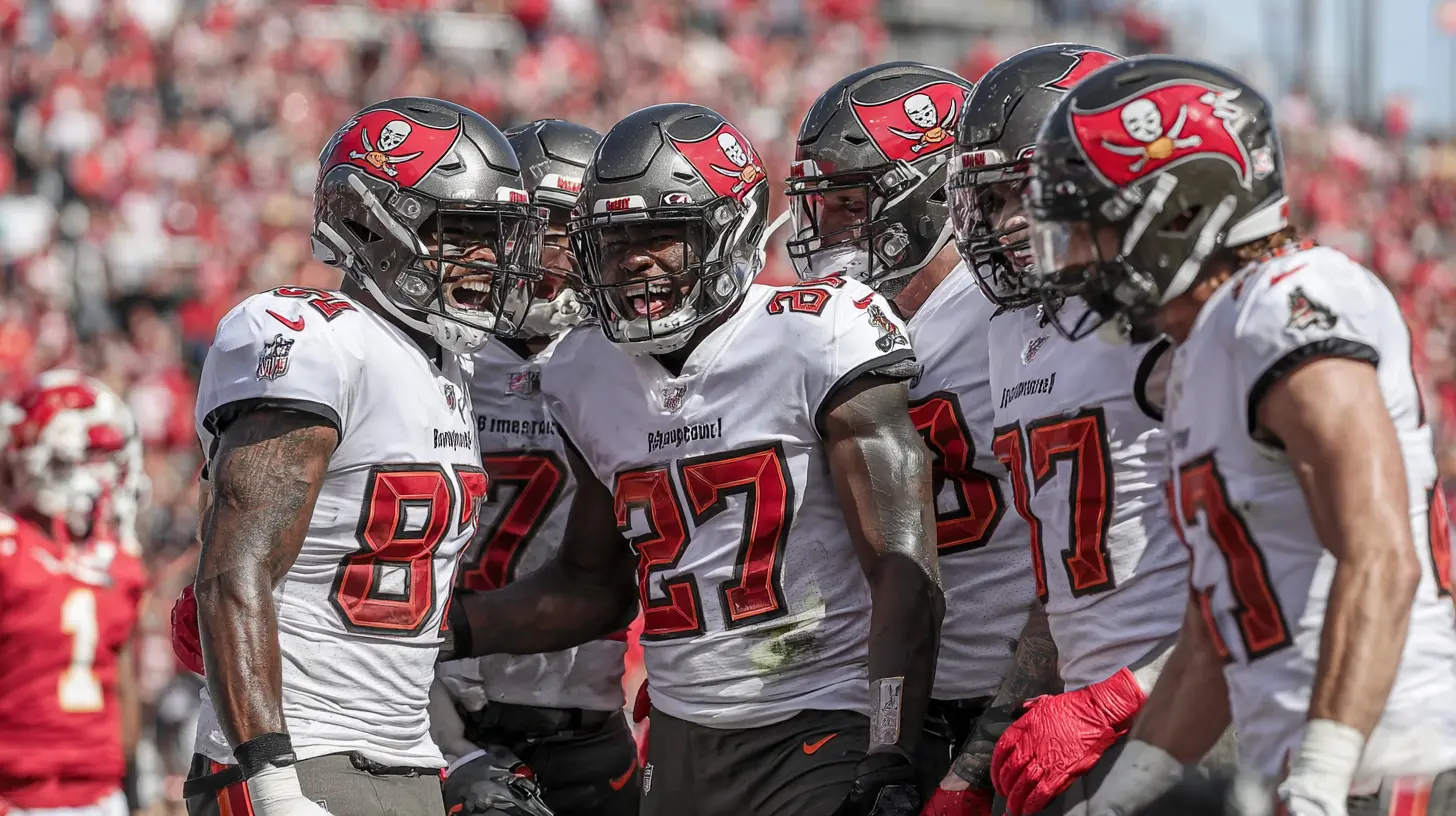
Here is where chemistry gets undervalued. The 2027 champions had benches that genuinely celebrated teammates' success. That sounds trivial until you understand what it does psychologically. When a role player knows the starters are rooting for him, he plays freer. When he plays freer, he shoots without hesitation. When he shoots without hesitation, he makes shots he would otherwise miss.Teams with fractured benches get the opposite effect. Role players press, and pressing players shrink.
Why Talent Alone Lost in 2027
Let us be blunt. The most talented rosters did not win in 2027. Several of them flamed out early.The Superteam Trap
Stacking stars has a hidden cost that front offices keep underestimating. Every star arrives with a career's worth of habits, preferences, and expectations about touches, minutes, and status. That is not a character flaw. It is human nature. But it means a superteam has to spend months, sometimes years, negotiating roles that a homegrown roster never has to negotiate.The 2027 failures shared a pattern: too many players who needed the ball in their hands, not enough who were willing to set a screen or sprint to the corner without being rewarded. Talent without role clarity is just expensive chaos.
The Analytics Blind Spot
Some teams leaned so hard into efficiency metrics that they forgot those metrics describe outcomes, not process. A team can generate good shot quality on paper and still lose because the players do not trust each other enough to make the extra pass in a tight fourth quarter.Analytics tell you what happened. Chemistry tells you what will happen when the game gets ugly.

How the 2027 Champions Built It
None of this happened by accident. The winners did specific, repeatable things.They Drafted and Signed for Fit, Not Just Talent
This is the hardest discipline in sports management, because it means passing on a more gifted player for a less gifted one who fits better. It takes courage. It also works.The 2027 champions prioritized players who could defend multiple positions, move the ball, and accept a role. They were willing to trade a marginally better scorer for a significantly better connector.
They Created Structured Adversity
Chemistry built only in comfortable moments is fragile. It breaks the first time things go wrong. Smart teams manufacture adversity in practice: competitive drills with real stakes, scrimmages where the losing side runs, situations designed to force communication under fatigue.The logic is simple. If you have already been through hard moments together in a controlled setting, the uncontrolled ones feel familiar instead of threatening.
They Made Roles Explicit
Vague roles create resentment. Players fill the void with their own assumptions, and those assumptions rarely match the coach's. The 2027 winners were almost obsessive about clarity. Every player knew exactly what was expected, how they would be evaluated, and what would get them more minutes.That clarity is a gift. It removes the anxiety that makes players play selfishly.
They Let Leaders Emerge Organically
Coaches can appoint captains. They cannot appoint leaders. The 2027 champions had player-led accountability, meaning the locker room policed itself before the coaching staff had to step in. That only happens when the coaching staff resists the urge to control everything.Common Mistakes Teams Make With Chemistry
Even teams that believe in chemistry get it wrong. Here are the traps.Mistake One: Confusing Chemistry With Comfort
A team that never argues is not necessarily healthy. It might just be avoiding conflict. Real chemistry requires the ability to have hard conversations. If nobody ever challenges anybody, problems are festering underground.Mistake Two: Forcing Bonding Activities
Trust falls and forced dinners do almost nothing. Shared sacrifice does. Players bond over winning tough games, surviving brutal practices, and covering for each other's mistakes. Manufactured fun is a weak substitute.Mistake Three: Ignoring the Middle of the Roster
Teams obsess over stars and bench warmers. The players in between, the seventh through tenth men, often determine whether a season holds together. If those players feel invisible, the locker room splits.Mistake Four: Trading Away Glue Guys for Talent
Every deadline, some contender trades a beloved role player for a more talented but less connected acquisition. Sometimes it works. Often it quietly destroys the thing that made the team good. Talent upgrades are not free.
Trade-Offs You Have to Accept
Building around chemistry is not a magic formula. It comes with real costs.- You will lose some raw talent battles. A more gifted team can beat you when shots fall.
- It takes time. Chemistry cannot be rushed. Contending windows are short, and patience is expensive.
- It is hard to measure precisely. You can track proxies, but you cannot put a clean number on trust.
- It requires coaching humility. Player-led teams need coaches who can share control.
If your organization cannot stomach those trade-offs, do not pretend to build around chemistry. Half-measures produce the worst of both worlds.
Practical Advice for Coaches and Teams
If you want to apply what the 2027 champions proved, start here.1. Define roles in writing. Not contracts, but clear expectations. Review them monthly.
2. Design practices that require communication. Drills where silence causes failure.
3. Reward the extra pass. Track it, praise it, and make it part of evaluation.
4. Protect your connectors. The players who make everyone better are not expendable.
5. Address conflict early. Do not let small frustrations become locker room factions.
6. Let players lead. Give them ownership of standards, then hold them to it.
7. Be patient with integration. New players need reps, not just minutes.
Misconceptions Worth Retiring
"Chemistry is intangible." It is not. It shows up in pass anticipation, rotation speed, and turnover rates. You just have to know where to look."Winning creates chemistry." Partly true, but incomplete. Chemistry also creates winning. The relationship runs both directions, which is why teams should invest before the wins arrive.
"You either have it or you do not." False. Chemistry is a skill set. It can be taught, practiced, and improved, which is exactly why the 2027 champions treated it as seriously as shooting drills.
What This Means Going Forward
The 2027 season was not an outlier. It was a preview. As schemes get more complex and roster movement stays high, the teams that can build trust fastest will keep winning. Talent will always matter. It just will not be enough on its own.The organizations still treating chemistry as a bonus rather than a foundation are going to keep losing to teams that treat it as a requirement. That is the lesson of 2027, and it is not going away.
all images in this post were generated using AI tools
Category:
Season RecapsAuthor:

Nelson Bryant