How Muscle Memory Shapes Athletic Skill: A Deep Dive
14 December 2025
Whether you're a weekend warrior, an elite athlete, or just someone chasing fitness goals, you've probably heard the term "muscle memory" tossed around like it’s some kind of athletic superpower. But what exactly is muscle memory? And more importantly, how does it sculpt your reflexes, skills, and performance over time?
Let’s break it all down in a way that doesn’t require a neuroscience degree.
What Is Muscle Memory, Really?
First off, despite how it sounds, muscle memory isn’t stored in your biceps or quads. It’s a function of your brain and nervous system. When we perform a movement repetitively—think shooting free throws, swinging a bat, or executing a clean snatch—our brain creates neural pathways that essentially automate that action.It’s like putting your body on autopilot.
Ever driven home and realized you don’t remember how you got there? That’s a version of muscle memory. For athletes, it's the reason why a gymnast sticks a landing after thousands of hours of practice or why a tennis player returns a 120 mph serve without consciously thinking.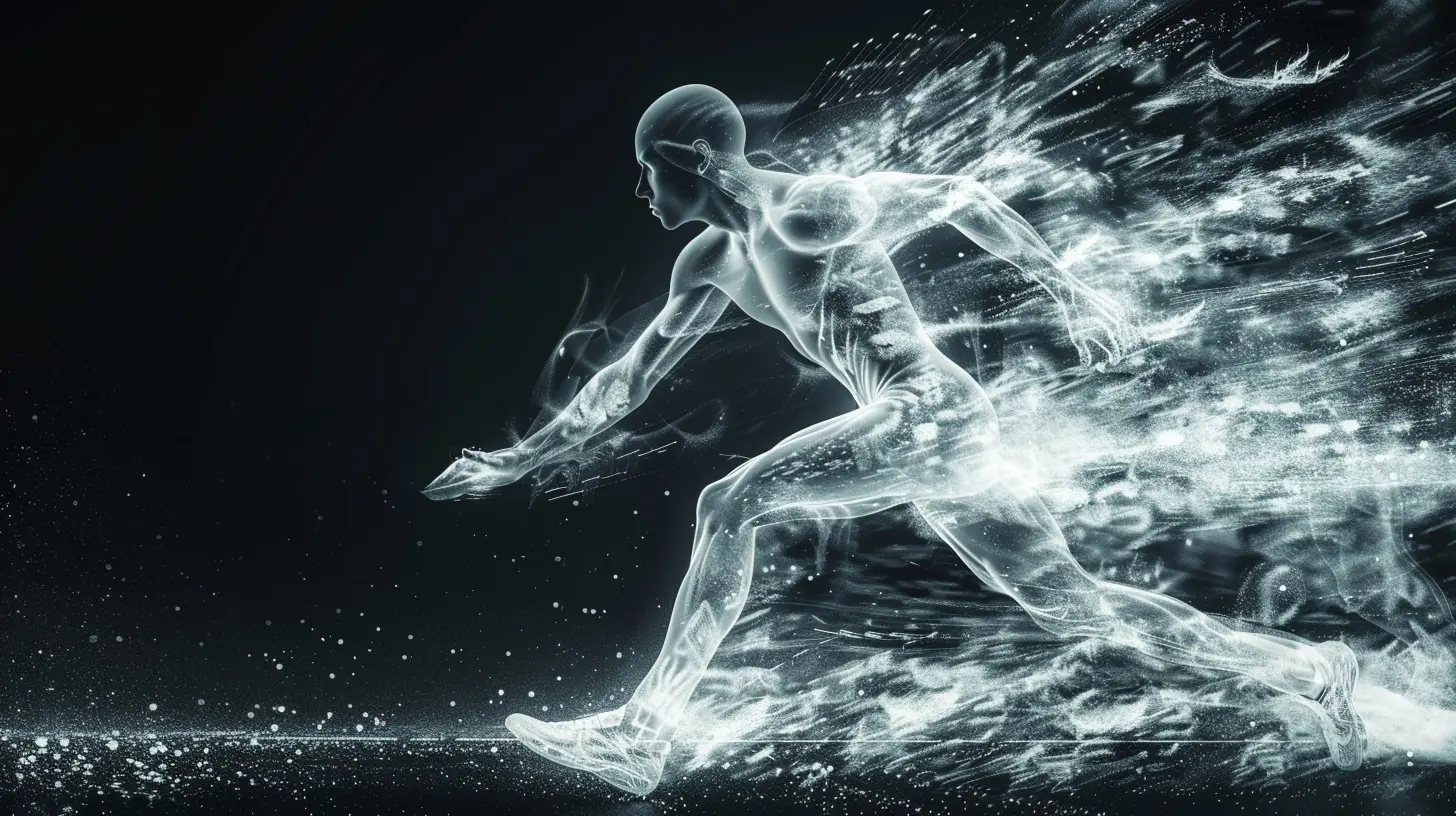
The Science Behind Muscle Memory
Here's the nerdy part—but stick with me because it’s fascinating.🔁 Neural Encoding
Every time you repeat an action, your brain fires signals through neural pathways. These are like trails in the forest. The more you walk a trail, the more worn and easy it becomes to navigate. Similarly, the more reps you put in, the more your body automates the movement.⬆️ Myelin and Efficiency
Practice reinforces these pathways by wrapping them in a substance called myelin, speeding up communication between neurons. More myelin = faster, more reliable movement.🧠 Role of the Cerebellum
The cerebellum, part of your brain located near the stem, plays a huge part in motor control. It fine-tunes movements and adjusts them on the fly. Think of it as your internal coach yelling, “Fix your form!”
How Muscle Memory Impacts Athletic Performance
So why is muscle memory a big deal in sports? Because it’s the foundation of consistency. You don’t have to think about every part of a movement once it’s "locked in."💥 Reaction Time
In high-speed sports—like basketball or hockey—you don’t have the luxury of thinking, “Okay, now I move my foot here.” Muscle memory takes over and makes movement instantaneous.🧩 Complex Skill Execution
Executing a perfect golf swing or a flawless dive off a 10-meter platform isn’t just about strength. It’s about performing complex coordinated movements without hesitation. That’s all muscle memory.🎯 Accuracy & Precision
Repetition builds accuracy. A quarterback throwing a perfect spiral drop after drop? That’s not luck. It's muscle memory carving that skill into the nervous system.
Real-Life Examples of Muscle Memory in Action
Let’s pull out a few examples so you can see how this plays out.🏀 Shooting a Basketball Free Throw
Why does Steph Curry seem like he’s not even trying when he sinks three-pointers? Because after thousands of shots in practice, his shooting form is etched into his nervous system. It’s as natural for him as blinking.🏌️♂️ Golf Swing
Golf pros spend years refining their swing. One hiccup—like a shoulder raised too early—can throw it all off. That’s why coaches focus heavily on repetition. Your body learns to calibrate the swing down to the tiniest detail.🕺 Gymnastics and Dance
These disciplines demand complex, flowing routines. Muscle memory makes it possible to transition from one movement to another without thinking. It's choreography locked into your nervous system.How to Build Muscle Memory Effectively
Great—so muscle memory is awesome. But how do we build it?🔁 Repetition Is the Key
No surprise here. Repetition is the fuel for muscle memory. But not just any repetition—perfect repetition.Think of it like baking. If you keep baking bad cookies, you’re only teaching yourself how to make bad cookies. You need correct form and correct technique every single time.
🐢 Slow It Down
Slow, intentional practice locks in form. Speed can come later. Speed plus poor form = disaster. Start slow, get perfect, then turn up the heat.🧠 Visualize the Movement
Mental rehearsal can be just as powerful. Elite athletes visualize their routines all the time—because running through the motion in your head stimulates the same neural pathways as doing it physically.🎯 Focus on Micro Movements
Every major action is made up of mini-movements. Want a better baseball swing? Focus on your grip, stance, shoulder rotation. Master those pieces, and the whole movement will feel natural.Undoing Bad Muscle Memory
Here’s the kicker: not all muscle memory is good memory. If you’ve been doing something wrong for years, undoing that can be a beast.🔄 Retraining Takes Time
It’s not about erasing old paths—it’s about building stronger, better ones. That’s why switching your golf swing or correcting your deadlift form feels like you’re starting from scratch.💡 Conscious Correction
You’ll need to slow down, stay mindful, and repeat the new action consciously until it becomes the dominant habit.Muscle Memory in Recovery and Comebacks
Ever wonder why athletes can still hit their stride after long layoffs due to injuries?Yup—muscle memory.
🤕 After Injuries
Let’s say a soccer player tears their ACL and is off the field for months. Once healed, their skills return relatively quickly—not just because of physical rehab but because their brain remembers how to perform those actions.🕰️ It Sticks Around
Even after decades, old motor skills can resurface. Skateboarders, basketball players—many find that even after years away, their bodies still “remember” the movements.Fun Fact: Muscles Themselves Remember Too
Okay, here’s where it gets even crazier.Turns out, muscle memory isn’t just about the brain. Your actual muscle fibers retain information too. When you lift weights consistently, your muscles gain nuclei. If you stop training, you might lose some size—but the nuclei stay put.
That means once you start training again, your muscles “bounce back” way faster than if you were starting from zero.
How Coaches and Trainers Leverage Muscle Memory
Smart trainers use this knowledge to design programs that emphasize form and repetition. They understand that the brain is learning just as much as the body.✍️ Drill-Based Training
Repetition drills are everywhere in sports—from layup lines in basketball to footwork ladders in football. These drills don’t just tire you out—they're carving neural pathways.🎮 Task-Specific Practice
Want to increase your free kick precision? You practice free kicks. Don’t expect squats alone to make you a better soccer player. Strength + skill practice = the magic formula.Muscle Memory Isn’t Just Physical
Here's a bit of a brain-twister: Even mental game gets better with muscle memory. Decision-making, reading plays, anticipating moves—all of that becomes sharper with experience and repeated exposure.Think of it this way: The more experiences you can pull from, the faster your instincts kick in.
The Takeaway: Make Muscle Memory Work for You
Muscle memory is more than just a cool concept. It’s the bridge between practice and performance, the silent force turning good athletes into great ones.If you want to master a skill, dominate your sport, or just stop tripping over your own feet at the gym—make muscle memory your best training buddy. Practice smart, stay consistent, and remember: your brain is always watching your reps.
Quick Tips to Boost Your Muscle Memory
- 🔄 Quality > Quantity in practice- 🐢 Start slow and build speed
- 🧠 Visualize before you move
- 🤏 Focus on the fine details
- 💥 Correct mistakes early
- ⏳ Be patient—it takes time
- ✔️ Rest and recover properly
Final Thought
Muscle memory isn't magic—but it feels like it when it clicks. When your body moves exactly how you want it to, without hesitation, struggle, or thought—that’s when you’ve tapped into real athletic potential. So keep grinding, keep repeating, and let your nervous system do its thing.all images in this post were generated using AI tools
Category:
Sports ScienceAuthor:

Nelson Bryant
Discussion
rate this article
2 comments
Zethryn Gates
Great insights on muscle memory! It's fascinating how it enhances athletic performance and consistency. Thanks!
January 17, 2026 at 4:21 AM
Nelson Bryant
Thank you for your kind words! I'm glad you found the insights valuable. Muscle memory truly plays a crucial role in enhancing performance.
Alisha Jones
Great insights! Muscle memory truly is the backbone of athletic performance, enhancing skills through repetition and practice. Keep it up!
December 14, 2025 at 11:40 AM
Nelson Bryant
Thank you! I'm glad you found the insights valuable. Muscle memory is indeed crucial for refining athletic skills!