How Future Trades Might Redefine Team Identities
14 November 2026
In the world of professional sports, trades are more than just transactions; they are pivotal moments that can alter the trajectory of a franchise. As teams strategize for the future, trades can redefine team identities in profound ways. This article delves into the nuances of how future trades might reshape not only the roster but also the culture, brand, and competitive landscape of teams.

The Evolution of Team Identity
Team identity is a complex amalgamation of history, culture, fan engagement, and performance. It is shaped by the players who don the jersey, the coaching staff, and the overarching philosophy of the organization. In recent years, the dynamics of team identity have evolved, influenced by factors such as analytics, fan interaction, and the globalization of sports.Historical Context
Historically, teams built their identities around star players and local heroes. Consider the Chicago Bulls of the 1990s, whose identity was intricately tied to Michael Jordan. The franchise was not just about winning championships; it was about the culture of excellence, determination, and charisma that Jordan embodied.However, in today's landscape, the narrative is shifting. Teams are beginning to adopt a more fluid approach to building their identities. The rise of analytics has led organizations to prioritize efficiency and potential over traditional metrics of success. This evolution opens the door for trades to redefine what a team stands for.
The Role of Trades in Shaping Identity
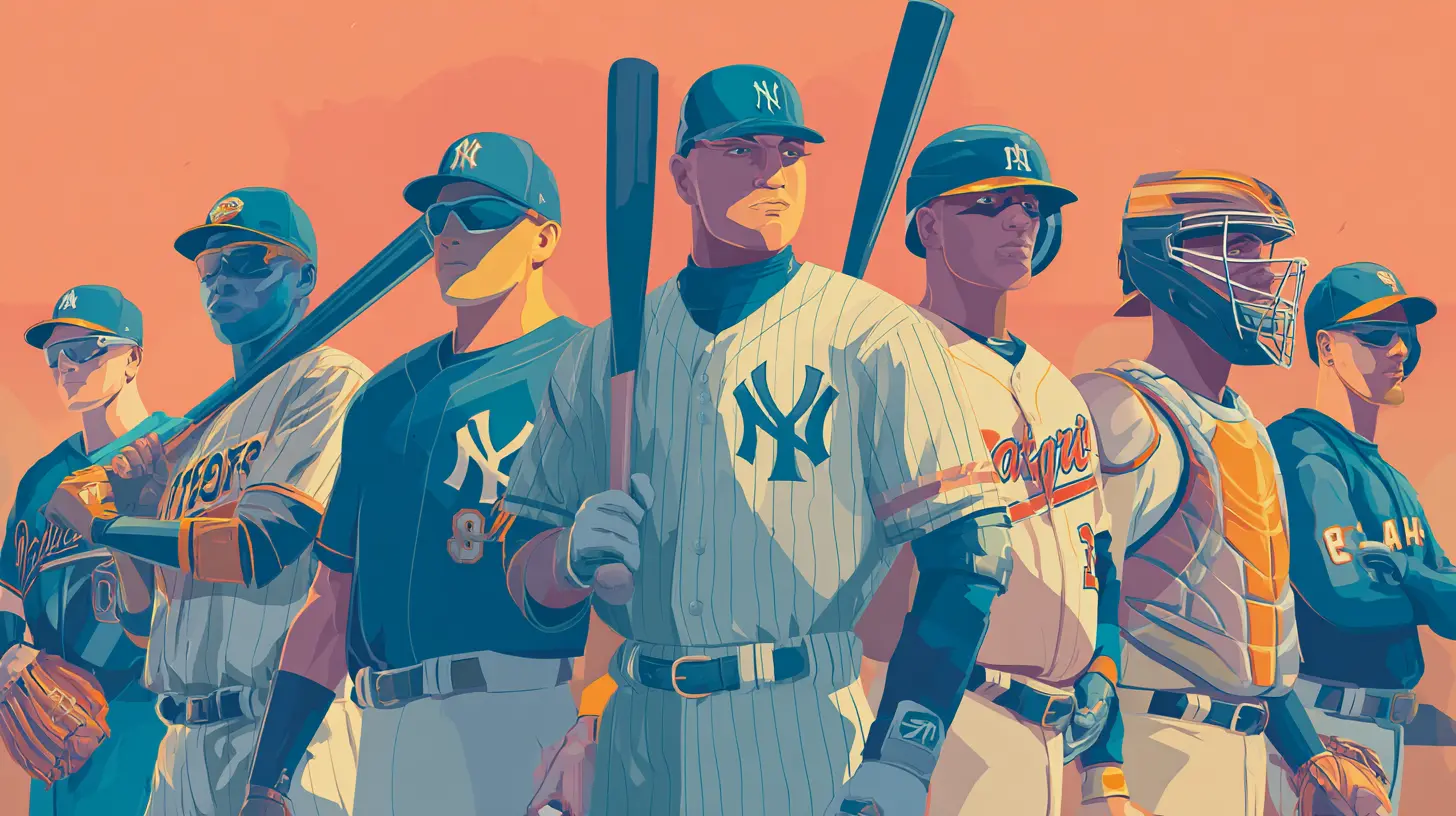
Trades can serve multiple purposes: they can bring in star talent, unload underperforming players, or even pivot a team's strategy. Each trade has the potential to send ripples through a team's identity, impacting everything from fan perception to locker room dynamics.Case Study: The Brooklyn Nets
A prime example of how trades can redefine identity is the Brooklyn Nets. When the team acquired superstars Kevin Durant and Kyrie Irving, it marked a significant shift in not only talent but also expectations. The Nets transitioned from a rebuilding team to a contender almost overnight. This trade redefined their identity from an underdog to a powerhouse, changing the narrative around the franchise.However, the journey is not always smooth. The pressure of high expectations can lead to internal friction, as seen in Brooklyn. The balance between star power and team chemistry is delicate and can influence how a team is perceived both on and off the court.
The Impact of Analytics
In the modern era, analytics play a crucial role in trade decisions. Teams are leveraging data to identify undervalued players who fit their system rather than simply acquiring star names. This approach can lead to a more cohesive team identity, as seen with the Milwaukee Bucks.The Bucks, under the leadership of Giannis Antetokounmpo, have built a team identity around versatility and defensive prowess. Their trades have focused on acquiring players who complement Giannis's unique skill set, allowing them to cultivate a style of play that reflects their core values. This strategy has not only enhanced their competitiveness but also solidified their identity as a team that emphasizes teamwork and adaptability.
Fan Engagement and Identity
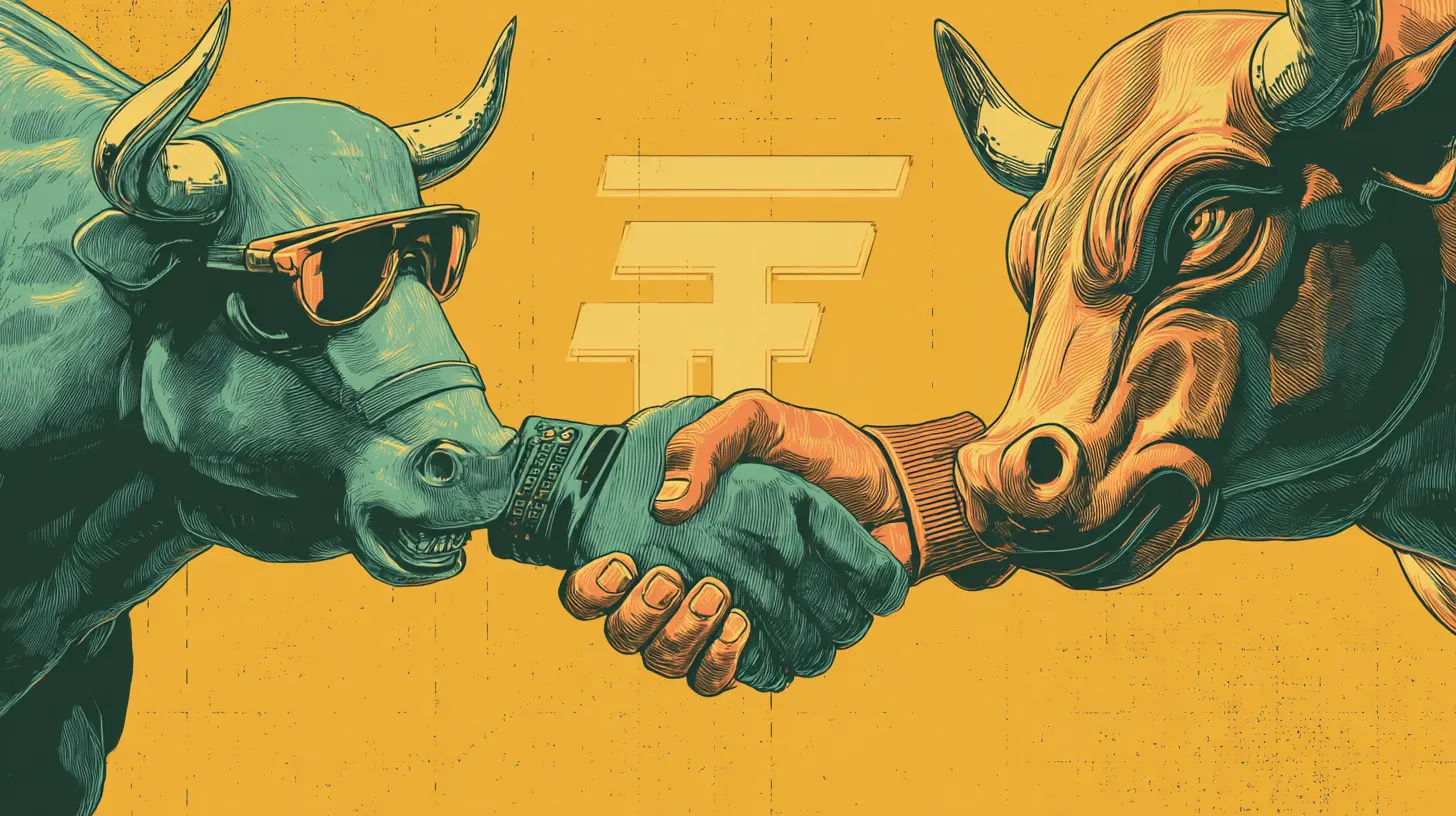
Trades also influence how fans perceive their teams. The emotional connection between fans and players is a crucial component of team identity. A trade can either strengthen this bond or fracture it, depending on how well the new player aligns with the team's culture.Building Bridges with Fans
When a team makes a trade, it is essential to communicate effectively with fans. Transparency can help mitigate backlash, especially if a beloved player is traded away. The San Antonio Spurs exemplify this approach. When they traded Kawhi Leonard, the organization took the time to explain the rationale behind the move, emphasizing a commitment to long-term success over short-term gains.The Risk of Alienation
Conversely, trades can alienate fans if not handled thoughtfully. A high-profile trade can lead to disappointment if the new player fails to meet expectations. The Los Angeles Lakers' acquisition of Russell Westbrook is a case in point. While the intention was to pair him with LeBron James and Anthony Davis, the fit was less than ideal, leading to frustration among fans. The Lakers' identity as a championship contender was called into question, highlighting the risks associated with high-stakes trades.
The Globalization of Sports and Its Influence
As sports become increasingly global, teams are no longer confined to local or national identities. Trades involving international players can redefine a team's brand on a global scale. This trend is particularly evident in the NBA, where the influx of international talent has transformed team dynamics.Embracing Diversity
Consider the Toronto Raptors, who embraced their identity as a global team by acquiring players like Pascal Siakam and OG Anunoby. Their success in the 2019 NBA Finals not only redefined their identity but also established them as a symbol of inclusivity in the league. This shift has allowed the Raptors to connect with a broader audience, enhancing their brand beyond Canadian borders.Challenges of Integration
While the globalization of sports offers opportunities, it also presents challenges. Integrating international players into a team's culture requires sensitivity and understanding. Teams must be mindful of language barriers, cultural differences, and the varying expectations of players from diverse backgrounds. The Philadelphia 76ers' experience with Joel Embiid illustrates this point. While Embiid's talent is undeniable, his journey from Cameroon to the NBA required the team to create an environment that fostered his development both on and off the court.Trade Strategies: A Balanced Approach
When considering trades, teams must weigh various strategies to ensure alignment with their identity. A balanced approach involves assessing immediate needs while also planning for the future.Short-Term vs. Long-Term Goals
Teams often face the dilemma of prioritizing short-term success versus long-term sustainability. The Houston Rockets' decision to trade for stars in pursuit of a championship exemplifies this challenge. While the strategy can yield immediate results, it can also jeopardize future flexibility and development.Conversely, teams like the Oklahoma City Thunder have adopted a long-term strategy, focusing on building through the draft and making calculated trades. This approach has allowed them to cultivate a young core while maintaining financial flexibility, potentially setting the stage for a brighter future.
Understanding Team Culture
Before making trades, teams must assess their existing culture. A player who excels on the court may not necessarily fit into a team's culture. The Memphis Grizzlies, known for their grit-and-grind style, have historically prioritized players who embody their identity. This focus on cultural fit has allowed them to maintain a cohesive team environment, even through roster changes.
Common Mistakes to Avoid
While trades can be transformative, they are not without pitfalls. Teams must navigate various challenges to ensure successful outcomes.Overvaluing Star Power
One common mistake is overvaluing star power at the expense of team chemistry. Acquiring a superstar can create excitement, but if the player disrupts the existing dynamic, it can lead to discord. The New York Knicks' acquisition of Carmelo Anthony serves as a cautionary tale. While he brought star power, the team's identity suffered due to a lack of cohesion and defensive commitment.Neglecting Developmental Players
Another mistake is neglecting the importance of developmental players. Teams often focus on immediate impact, overlooking the value of nurturing young talent. The Golden State Warriors' success is rooted in their ability to develop players like Draymond Green and Klay Thompson alongside established stars. This blend of talent and development has solidified their identity as a championship contender.Best Practices for Successful Trades
To navigate the complexities of trades effectively, teams should adopt best practices that align with their identity and goals.Conduct Thorough Assessments
Before making a trade, teams should conduct comprehensive assessments of both their needs and the potential acquisition. This includes analyzing player statistics, fit within the system, and how the player aligns with the team's culture. The Denver Nuggets exemplify this approach, having built a competitive roster by making calculated trades that enhance their identity as a well-rounded team.Foster Open Communication
Effective communication is essential during the trade process. Teams should engage with players, staff, and fans to manage expectations and foster understanding. The Miami Heat's approach to trades emphasizes transparency, allowing them to maintain a strong connection with their fan base while pursuing their goals.Embrace Flexibility
Finally, teams should remain flexible in their trade strategies. The landscape of professional sports is ever-changing, and the ability to adapt to new information or circumstances can be the difference between success and failure. The Phoenix Suns' recent trades reflect this adaptability, as they have positioned themselves as contenders by making bold moves that align with their evolving identity.
Conclusion
trades have the potential to redefine team identities in multifaceted ways. As teams navigate the complexities of player transactions, they must consider the implications for culture, fan engagement, and long-term success. By adopting a balanced approach that prioritizes both immediate needs and future aspirations, franchises can cultivate identities that resonate with their players and fans alike.As we look to the future, the landscape of professional sports will continue to evolve. Teams that embrace the transformative power of trades while remaining true to their core values will find themselves well-positioned for success in an ever-competitive environment.
all images in this post were generated using AI tools
Category:
Big TradesAuthor:

Nelson Bryant