How a Superstar Trade Could Impact Media Deals
21 November 2026
The landscape of sports is constantly evolving, influenced by various factors such as player performance, team dynamics, and market trends. One of the most significant factors that can reshape this landscape is the trade of a superstar athlete. Such trades not only affect team performance but also have far-reaching implications for media deals, viewership, and revenue streams. In this article, we will dive into how a superstar trade can impact media deals, examining the nuances of contracts, audience engagement, and the broader economic landscape of professional sports.

Understanding Media Deals in Sports
The Role of Media Deals
Media deals are essential to the financial ecosystem of professional sports. These contracts typically involve the broadcasting rights for games, highlights, and related content. They are negotiated between sports leagues and various media outlets, including television networks, streaming services, and online platforms.Revenue Streams from Media Deals
Media deals contribute significantly to a sports league's overall revenue. They often include:- Television Rights Fees: Payments made by networks for exclusive rights to broadcast games.
- Streaming Agreements: Contracts with digital platforms for live streaming and on-demand content.
- Advertising Revenue: Generated through commercials aired during games, often influenced by viewership numbers.
Understanding these revenue streams is essential in analyzing the implications of a superstar trade.
The Immediate Impact of Superstar Trades
Shifting Viewership Dynamics
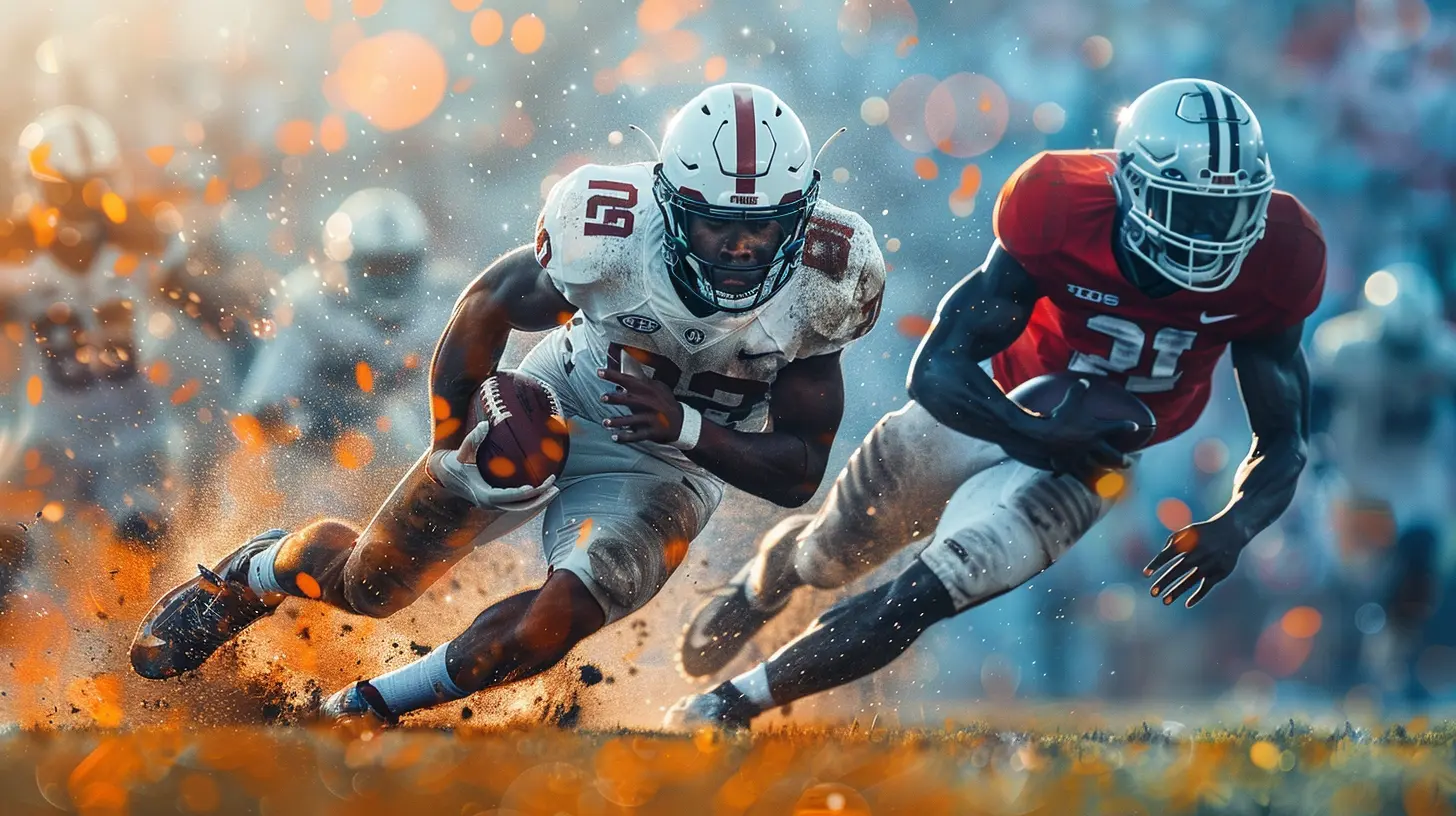
When a superstar is traded, the immediate impact on viewership can be substantial. Fans of the traded player may suddenly tune in to see their favorite athlete in a new jersey. This can lead to a spike in ratings for the team acquiring the player while potentially decreasing viewership for the team losing the superstar.Case Study: LeBron James and the Miami Heat
When LeBron James left the Cleveland Cavaliers to join the Miami Heat in 2010, the impact on television ratings was significant. The Heat's games saw a considerable increase in viewership, partly due to the influx of fans eager to see James play alongside Dwyane Wade and Chris Bosh. Conversely, the Cavaliers experienced a decline in ratings, demonstrating how a superstar trade can shift audience attention.Altered Marketability and Sponsorship Deals
Superstars are often the face of franchises. Their presence can enhance the team's marketability, attracting sponsorship deals and partnerships. A trade can alter the marketing landscape drastically.Example: Kevin Durant and the Golden State Warriors
Kevin Durant's move to the Golden State Warriors in 2016 not only strengthened the team's roster but also attracted a plethora of sponsorships. Brands eager to associate with a dominant team could leverage Durant's star power to enhance their marketing efforts. In contrast, the Oklahoma City Thunder, which lost Durant, had to recalibrate their marketing strategies to remain competitive.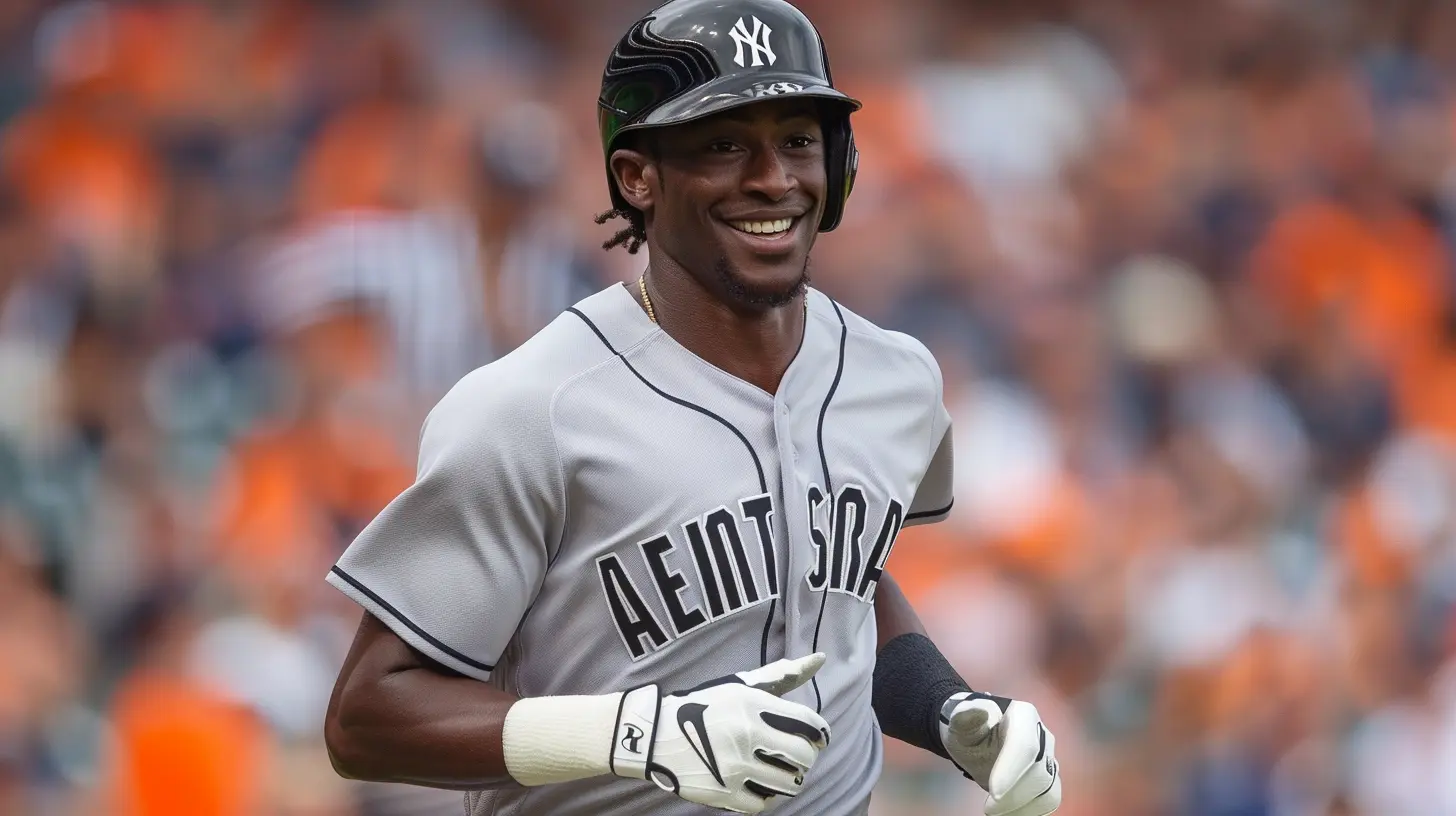
Long-Term Implications for Media Deals
Negotiation Power in Future Deals
The impact of a superstar trade can extend to future media negotiations. Teams that acquire high-profile players may find themselves in a stronger position during negotiations for their media rights.Example: The Los Angeles Lakers
The Los Angeles Lakers have long been a staple in the sports media landscape. Their acquisition of superstar players such as LeBron James has consistently bolstered their negotiating power. When the Lakers signed James, they not only improved their on-court performance but also significantly enhanced their media value, leading to lucrative broadcasting deals.Audience Engagement and Fan Loyalty
The dynamics of audience engagement can shift dramatically following a superstar trade. Teams must consider how to maintain or boost fan engagement in light of roster changes.Best Practices for Teams
1. Engage with Fans: Open communication channels through social media and community events can help maintain fan loyalty.2. Highlight New Storylines: Create narratives around new player acquisitions, focusing on their journey and impact on the team.
3. Leverage Digital Media: Utilize platforms like YouTube, Instagram, and TikTok to share behind-the-scenes content and player interactions, keeping fans invested.
Challenges of Uncertainty
While acquiring a superstar can yield benefits, it also comes with risks. Teams face uncertainty regarding the player's performance, adaptability to a new system, and potential off-field issues. These uncertainties can complicate media negotiations, as networks may be hesitant to commit resources if they perceive a risk in viewership.
The Economic Ecosystem
The Interplay Between Team Success and Media Revenue
The success of a team directly correlates with its media revenue. A superstar can elevate a team's performance, leading to playoff appearances and increased viewership.Example: The Chicago Bulls in the 1990s
During the 1990s, the Chicago Bulls, led by Michael Jordan, dominated the NBA. Their success translated into astronomical media deals, as networks vied for the rights to broadcast their games. The Bulls became a global brand, demonstrating how a superstar can elevate not just a team but an entire league's media value.Market Size and Regional Interest
The market size plays a crucial role in determining the impact of a superstar trade. Larger markets typically have a broader audience, which can enhance media deals. Conversely, a trade involving a superstar to a smaller market may not yield the same immediate financial benefits.Analyzing Market Dynamics
- Large Markets: Teams in cities like New York and Los Angeles often attract more media attention, leading to larger broadcasting deals.- Small Markets: Teams in smaller cities may struggle to negotiate favorable deals, even with superstar players, due to limited audience reach.
The Role of Social Media and Streaming Platforms
The Shift Towards Digital Consumption
The rise of social media and streaming platforms has changed the way fans consume sports content. A superstar trade can amplify a team's digital presence, driving engagement across these platforms.Example: The Impact of Social Media
When Russell Westbrook was traded to the Washington Wizards, the news broke on social media platforms, generating immediate buzz. The team capitalized on this by creating interactive content, engaging with fans through live Q&As, and sharing highlights that kept the audience hooked.Streaming Services and Exclusive Content
As streaming services continue to enter the sports broadcasting arena, the implications of a superstar trade become even more complex. Teams may seek to negotiate exclusive streaming rights, enhancing their media value.Case Study: The NFL and Amazon
The NFL's partnership with Amazon Prime for Thursday Night Football demonstrates how media deals are evolving. With the inclusion of high-profile players, the league can attract larger audiences to these streaming platforms. A trade involving a popular player could escalate interest and increase viewership on such platforms, affecting future media negotiations.
Common Misconceptions
The Myth of Instant Success
One common misconception is that acquiring a superstar will guarantee immediate success on and off the field. While a superstar can elevate a team's performance, chemistry, coaching, and other factors play significant roles.Real-World Example: The Brooklyn Nets
The Brooklyn Nets assembled a star-studded roster with players like Kevin Durant, Kyrie Irving, and James Harden. Despite their talent, the team struggled to find consistent success. This illustrates that simply acquiring superstars does not automatically translate to championships or enhanced media deals.The Assumption of Elevated Ratings
Another misconception is that ratings will automatically rise following a superstar trade. The reality is more nuanced. Factors such as team performance, competition, and fan engagement strategies heavily influence viewership.Conclusion
A superstar trade is a pivotal moment that can reshape the dynamics of a sports league, impacting everything from viewership ratings to media deals. Understanding the implications of such trades requires a comprehensive analysis of market dynamics, team performance, and audience engagement strategies. While the allure of a superstar can enhance media value, it is essential for teams to navigate the complexities of their economic ecosystem carefully. By employing best practices in fan engagement and leveraging storytelling, teams can maximize the benefits of acquiring a superstar while mitigating risks.
all images in this post were generated using AI tools
Category:
Big TradesAuthor:

Nelson Bryant

