Future Trade Packages That Could Break the Internet
14 November 2026
The world of sports is ever-evolving, with trades often igniting fan bases, changing team dynamics, and shifting the balance of power in leagues. The right trade package can not only reshape a franchise but also capture the imagination of fans worldwide. In this article, we will delve into potential future trade packages that could reverberate across the sports landscape, breaking the internet in the process. We will analyze the components of these trades, the motivations behind them, and the implications for all parties involved.
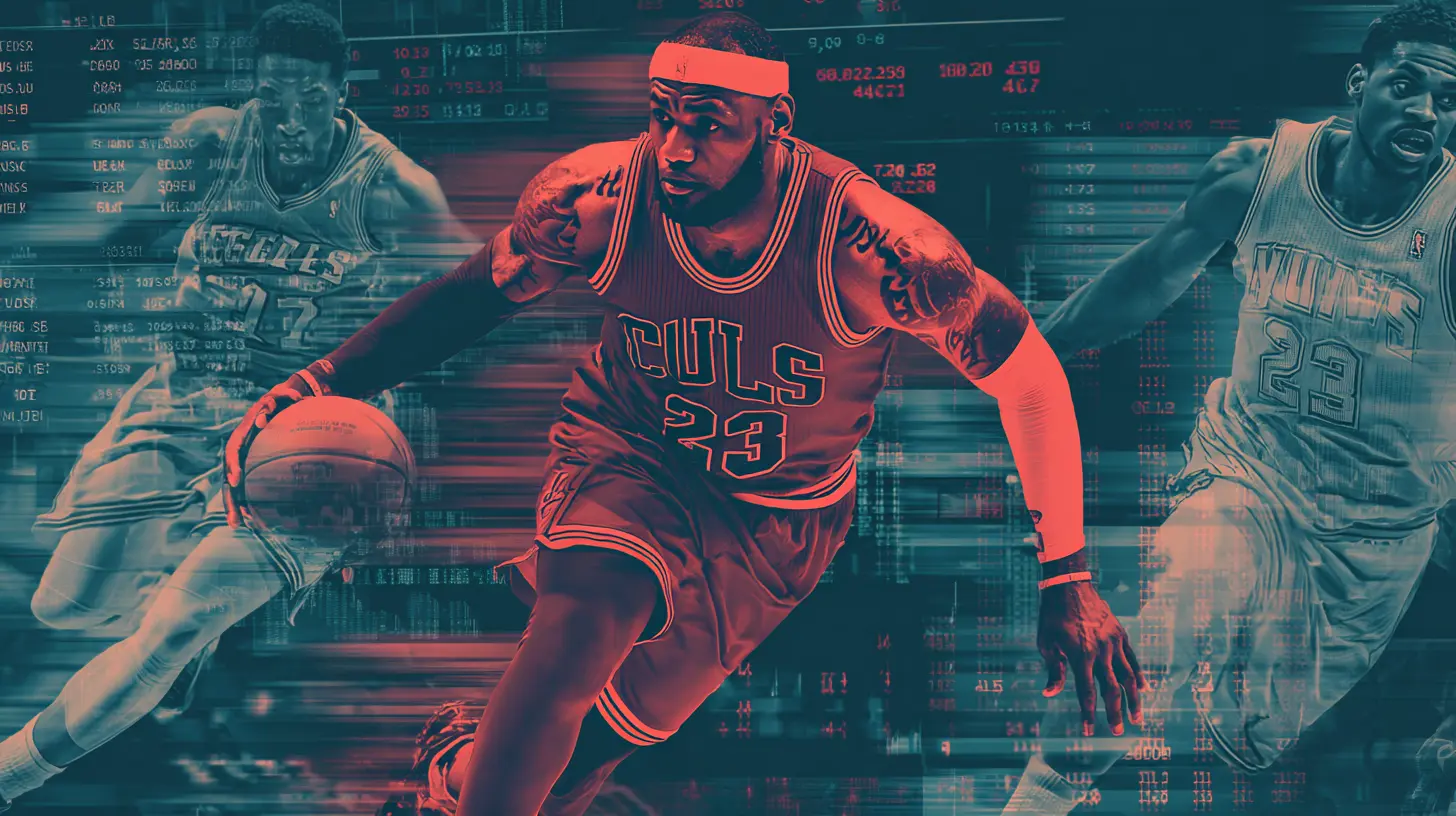
Understanding Trade Packages
What Constitutes a Trade Package?
A trade package typically consists of players, draft picks, and sometimes cash considerations. The value of a trade package is determined by various factors, including player performance, potential, contract status, and team needs. A well-constructed trade package serves multiple purposes: it helps teams acquire talent, shed unwanted contracts, or gain future assets.The Importance of Timing
Timing is crucial in trading scenarios. Teams must assess their current standing, the strength of their roster, and their long-term goals. A trade that makes sense today might not be viable in a few months. For instance, a team in contention for a championship may seek immediate impact players, while a rebuilding team might prioritize young talent and draft capital.
Potential Trade Packages by Sport
NBA: A Star-Driven League
The NBA is known for its star players, and trades often revolve around these high-profile athletes. Consider a hypothetical trade package involving a superstar like Damian Lillard.Example Trade Package: Damian Lillard to the New York Knicks
- New York Knicks Receive: Damian Lillard- Portland Trail Blazers Receive: RJ Barrett, Mitchell Robinson, three first-round picks
Analysis
This trade could break the internet for several reasons. First, Lillard is a perennial All-Star and a franchise player. The Knicks, having long sought a superstar, could finally make a splash in free agency and trade markets.For Portland, the benefits are twofold. They acquire young talent in Barrett and Robinson, who can contribute immediately while also securing valuable draft picks that can be used to build for the future. This trade exemplifies a win-win scenario, though it does come with risks. The Knicks would be betting their future on Lillard's ability to lead them to success, while the Blazers would need to ensure that the players and picks they receive translate into tangible improvements.
NFL: The Complexity of Contracts
In the NFL, trades are often complicated by the structure of contracts and salary caps. A potential blockbuster trade could involve a quarterback like Aaron Rodgers.Example Trade Package: Aaron Rodgers to the San Francisco 49ers
- San Francisco 49ers Receive: Aaron Rodgers- Green Bay Packers Receive: Jimmy Garoppolo, two first-round picks, one second-round pick
Analysis
Rodgers, a future Hall of Famer, would instantly elevate the 49ers' Super Bowl aspirations. The allure of a proven quarterback can be intoxicating for teams on the cusp of contention.For Green Bay, this trade would be a strategic move to transition into a new era while acquiring valuable assets. However, the Packers must carefully consider the implications of trading away a franchise icon. The fan backlash could be considerable, and the success of this trade would hinge on the performance of Garoppolo and the future draft picks.
MLB: The Role of Prospects
In Major League Baseball, trades often involve a mix of established players and prospects. A notable example could be a trade involving Shohei Ohtani.Example Trade Package: Shohei Ohtani to the Los Angeles Dodgers
- Los Angeles Dodgers Receive: Shohei Ohtani- Los Angeles Angels Receive: Gavin Lux, two top prospects, one major league-ready pitcher
Analysis
Ohtani, known for his dual-threat capabilities as a pitcher and hitter, would generate significant buzz if traded to a rival like the Dodgers. The Dodgers, with their deep pockets and commitment to winning, would see Ohtani as a game-changer.For the Angels, this trade would signal a shift in strategy, focusing on building for the future with high-ceiling prospects. The challenge lies in the uncertainty of prospects; while they can provide a foundation for future success, they are inherently risky. The Angels must weigh the immediate impact of Ohtani against the potential long-term gains from the trade.
NHL: The Importance of Team Chemistry
In the NHL, trades often hinge on team chemistry and positional needs. A hypothetical trade package involving a star player like Connor McDavid could create a frenzy.Example Trade Package: Connor McDavid to the New York Rangers
- New York Rangers Receive: Connor McDavid- Edmonton Oilers Receive: Artemi Panarin, K'Andre Miller, two first-round picks
Analysis
Trading a player of McDavid's caliber would send shockwaves through the league. The Rangers, looking to capitalize on their young core, would be making a bold statement by acquiring one of the best players in the game.For the Oilers, this trade would be a major gamble. While they would receive a top-tier player in Panarin and a promising defenseman in Miller, they would also be parting ways with a generational talent. The Oilers must consider whether the return is worth the risk of losing McDavid, who is capable of single-handedly changing the course of a game.

Factors to Consider in Trade Packages
Player Performance and Potential
When evaluating trade packages, teams must consider both current performance and future potential. A player may be performing well now but could be on the decline. Conversely, a younger player with untapped potential might be worth the risk.Contract Status
The financial implications of a trade cannot be overlooked. Teams need to assess how a player's contract fits within their salary cap. A high-priced player may be a star but could hinder a team's ability to make additional moves.Team Needs
Each team's unique situation must inform trade decisions. A team in win-now mode may prioritize established players, while a rebuilding team may look for draft picks and young talent.Fan Reactions
The emotional aspect of trades can't be ignored. Fans often have strong attachments to players, and a trade that seems logical on paper may face backlash from the fan base. Teams must weigh the potential fan reaction against the benefits of the trade.
Common Mistakes in Trade Evaluations
Overvaluing Players
One of the most common mistakes teams make is overvaluing their own players. Sentimentality can cloud judgment, leading to unrealistic trade expectations. Teams must remain objective and assess the true value of their assets.Ignoring Market Trends
The sports trade market is dynamic, influenced by various factors such as team performance, injuries, and player availability. Failing to stay informed about market trends can lead to missed opportunities or poor trade decisions.Neglecting Future Implications
A trade may seem beneficial in the short term but could have long-term consequences. Teams must consider how a trade will affect their future flexibility and roster composition.Best Practices for Executing Trades
Conduct Thorough Research
Knowledge is power in the world of trades. Teams should conduct extensive research on player performance, injury history, and market trends to make informed decisions.Foster Open Communication
Maintaining open lines of communication within the organization is crucial. Front offices, coaching staff, and scouts should collaborate to ensure that all perspectives are considered before making a trade.Be Prepared to Walk Away
Not every trade will work out, and it is essential to be willing to walk away from a deal that does not meet the team's needs. Patience can often lead to better opportunities down the line.
Conclusion
Future trade packages that have the potential to break the internet will hinge on star players, strategic considerations, and the dynamics of the sports landscape. Understanding the nuances of trade evaluations, the importance of timing, and the implications for all parties involved is critical for teams looking to make impactful moves. As the sports world continues to evolve, the excitement surrounding potential trades will undoubtedly remain a significant aspect of the fan experience.
all images in this post were generated using AI tools
Category:
Big TradesAuthor:

Nelson Bryant

