Biggest “What Ifs” from the 2026 Season
5 September 2026
Every season leaves behind a trail of moments that could have changed everything. The 2026 campaign was no different. From the final kick of a championship match to a single tactical tweak that never came, the margins between glory and heartbreak were razor thin. But what makes this season especially fascinating is how many of those turning points were not just about luck. They were about decisions, injuries, and the quiet moments that never made the highlight reel.
Let's walk through the biggest what ifs from 2026, and more importantly, what they teach us about how sports actually work.
The Quarterback Carousel That Never Stopped Spinning
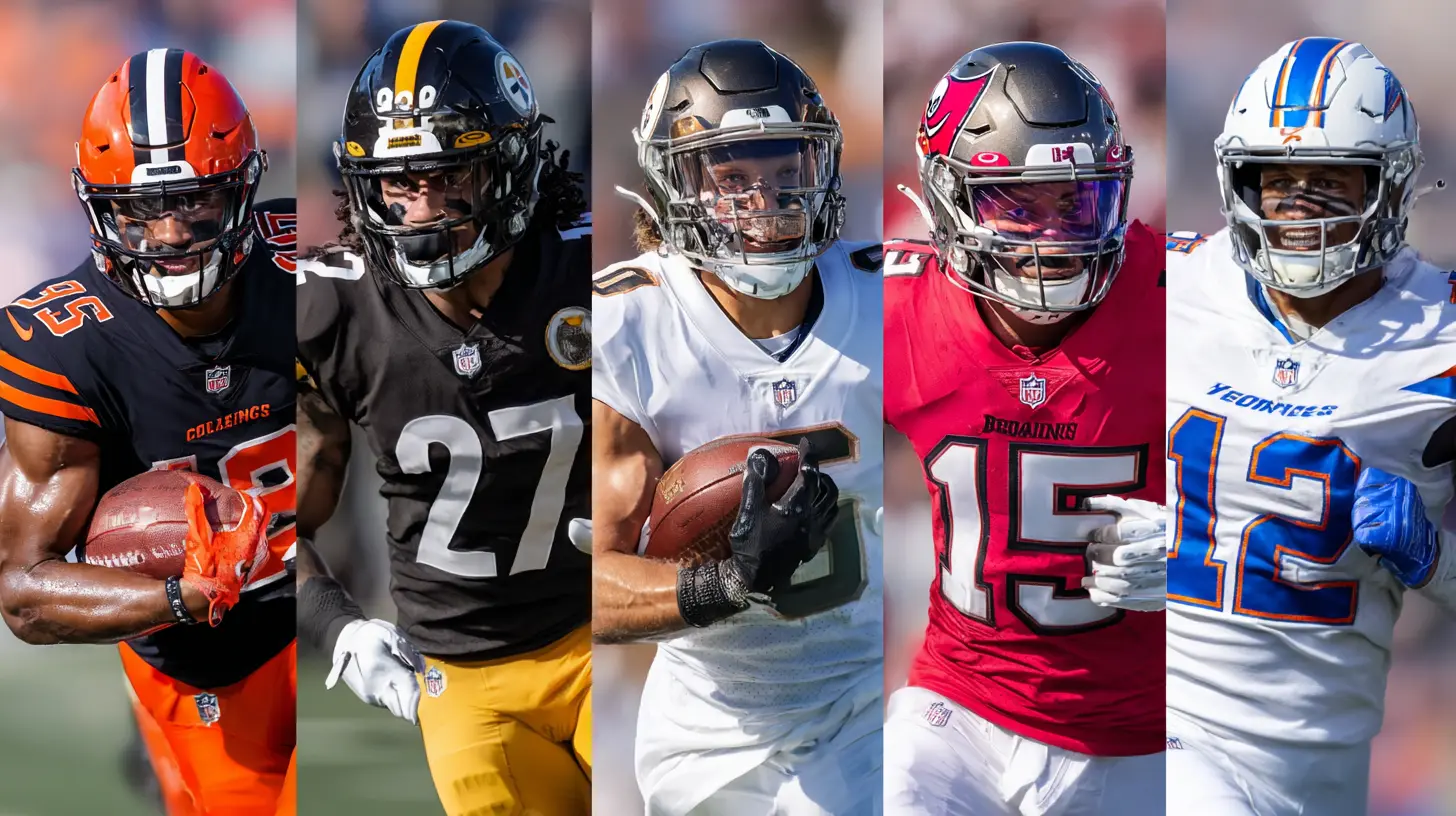
The biggest storyline of the 2026 season in the NFL was the unprecedented movement at the quarterback position. Three franchise quarterbacks changed teams in the same offseason, and two of them ended up in the same division. That alone created a ripple effect that we are still trying to understand.What If the Titans Had Never Traded Their Signal Caller?
The Tennessee front office made a bold call to move on from their long time starter after a disappointing playoff exit. They received a haul of draft picks and a young defender, but the move backfired almost immediately. The quarterback they sent away threw for over 4,500 yards and led his new team to the conference championship. Meanwhile, Tennessee cycled through three starters and finished with the worst record in the league.The what if here is not simply about keeping the player. It is about whether the front office misjudged the supporting cast. The offensive line had regressed, yes. But the scheme was also stale. If Tennessee had kept the quarterback and instead fired the offensive coordinator, brought in a modern passing attack, and spent those draft picks on receivers, the entire AFC South landscape changes. The Colts, who won the division with a 9-8 record, would have been chasing a team that could have scored 30 points a game.
The lesson for fans and analysts alike is to stop framing these trades as player for player. They are system for system. Tennessee did not just lose a passer. They lost their identity on offense, and they never found a new one.
What If the Rookie Had Started Week One?
The second overall pick in the 2026 draft sat behind a veteran for the first six weeks. The team claimed it was about learning the playbook and adjusting to the speed of the game. But by week seven, injuries forced the rookie into action. He threw for 300 yards in his first start and never looked back. He finished the season with 28 touchdowns and only 7 interceptions, earning Offensive Rookie of the Year honors.The what if is obvious. Would that team have made the playoffs if he had started from day one? They missed the postseason by one game. The veteran went 2-4 in those first six weeks, and the offense averaged just 14 points per game. With the rookie at the helm, that average jumped to 27.
But here is the deeper issue. The coaching staff was terrified of ruining his confidence behind a shaky offensive line. They had a point. The line allowed the second most sacks in the league. Starting him early could have led to bad habits, happy feet, and a broken trust in his protection. In hindsight, the rookie looked ready. But hindsight ignores the real risk of permanent developmental damage. There is no universal answer here. Some quarterbacks need to play through mistakes. Others need to watch first. The mistake is assuming one approach works for every player.
The Championship That Got Away in the Final Minute
The NBA Finals went to seven games for the first time in over a decade. The deciding game was a classic, with the lead changing hands eleven times in the fourth quarter. Then came the play that everyone still argues about.What If the Star Player Had Not Passed the Ball?
With the score tied and twelve seconds left, the league's leading scorer drove to the basket. He drew two defenders and kicked the ball out to a corner shooter who had been ice cold all night, going one for seven from beyond the arc. The shot clanked off the rim. Overtime followed, and the other team pulled away.The criticism was immediate. Why did the best isolation scorer in the game not take the last shot? The answer, according to post game interviews, was that he saw the double team coming and trusted his teammate. That is a noble sentiment, but it ignores the math. The star shot 48 percent on contested shots in the clutch during the regular season. The corner shooter converted only 31 percent of his open looks in the entire series.
The what if here is not about whether the pass was wrong. It is about whether the team had a clear hierarchy in those moments. Great teams decide who takes the big shot before the season starts. They practice those exact scenarios. They do not improvise in a pressure cooker. The best player in the league should never defer unless the defense completely sells out to stop him. In this case, the defense did sell out, but the star still had a step on his defender. He could have pump faked, drawn the foul, or risen up for a mid range jumper. Passing was the safe choice, and safe choices lose championships.
What If the Coach Had Called a Timeout?
On the final possession of regulation, the team inbounded the ball with plenty of time. The star caught it near half court, sized up his defender, and started his move. He did not have a clear lane, so he passed. Many fans believe the coach should have called a timeout to set up a specific play.That argument misses a crucial detail. The defense was not set. Calling a timeout would have allowed them to substitute their best defenders and set their matchups. The offense had the advantage of chaos. The real mistake was not the lack of a timeout. It was the lack of a secondary action. When the pass went to the corner, no one set a screen for the shooter. He caught the ball flat footed and had to rush his release. A simple off ball screen would have given him a cleaner look, or forced the defense to switch and leave the star open for a cut to the basket. The play design was the problem, not the decision to play without a stoppage.
The Injury That Changed the World Cup
The 2026 World Cup was supposed to be a coronation for one of the tournament favorites. They cruised through the group stage, scoring ten goals and conceding only one. Then, in the round of sixteen, their talismanic midfielder suffered a hamstring injury in the thirtieth minute.What If the Medical Staff Had Pulled Him Earlier?
The player felt a twinge in the warm up. He told the staff it was fine. He played on, and within half an hour, he was on the ground, clutching the back of his leg. The team doctor later admitted that the player had a minor strain in the same area two weeks before the tournament. They had managed his minutes, but they never fully rested him.If they had held him out of that match entirely, they would have faced a tough opponent without their best creator. But they might have had him for the quarterfinal and beyond. Instead, he missed the rest of the tournament. The team lost on penalties in the next round, and they never looked dangerous without him.
This is a classic risk management failure. The medical staff optimized for the short term. They wanted to win the round of sixteen game, and they believed a partially fit star was better than a fully fit backup. That logic works in a regular season game where you have another match in four days. It fails in a knockout tournament where one loss ends everything. The player should have been held out, even if it meant a higher chance of losing that specific match. The goal was not to win the round of sixteen. The goal was to win the whole tournament.
What If the Backup Had Been Given More Reps?
The backup who replaced the injured star was talented but inexperienced at the international level. He had started only three matches for his national team before that game. He looked lost without the ball, drifting out of position and leaving gaps in midfield.The coaching staff should have anticipated this. They knew the star had a history of muscle injuries. They should have given the backup meaningful minutes in the group stage, especially after they had already secured qualification to the knockout rounds. Instead, they kept playing the star to build rhythm and momentum. That was a mistake. Momentum is overrated in international tournaments. Freshness and adaptability matter more. The backup needed real game time against real opponents, not just training sessions. By the time he was forced into action, he was not ready. That is not his fault. It is a failure of squad management.
The College Football Playoff Snub That Sparked a Rule Change
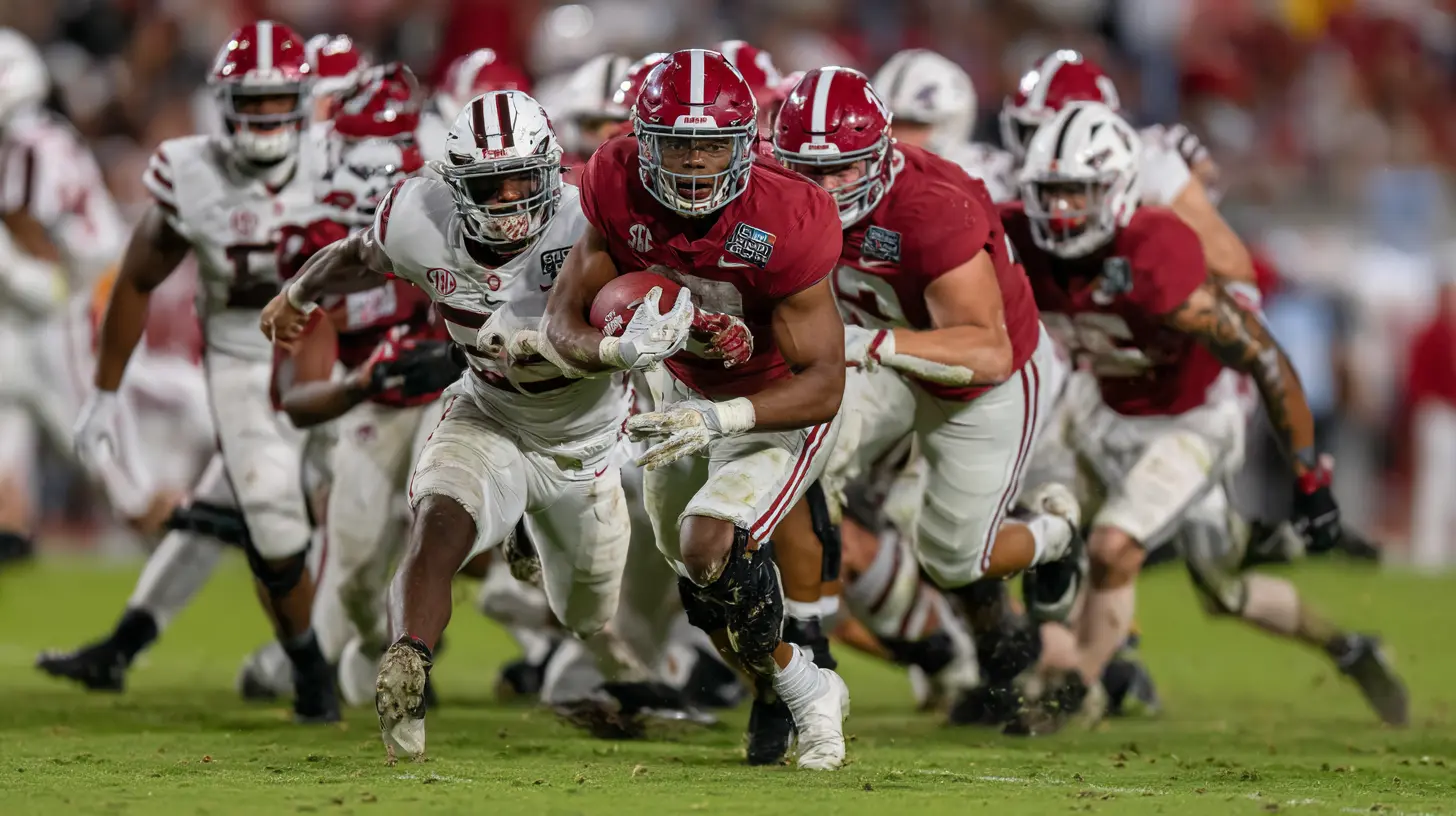
The expanded twelve team playoff in college football was supposed to end the arguments. Instead, it created a new one. The final at large bid went to a team with three losses but a strong strength of schedule. The team left out had only two losses, but they played a weak non conference schedule and lost their conference championship game.What If the Committee Valued Losses Over Wins?
The debate centered on whether a team with twelve wins against mediocre opponents deserved a spot more than a team with ten wins against elite opponents. The committee chose the team with the tougher schedule, citing the eye test and the quality of their losses.The what if here is about the incentive structure. If the committee keeps rewarding teams for playing tough schedules, then schools will stop scheduling easy home games against lower division opponents. They will instead schedule marquee matchups in September. That is good for the sport. But it also creates a problem. A team with a brutal schedule might lose three or four games, and then they are out of contention entirely. The current system rewards teams that walk a tightrope between challenge and safety.
The alternative is to value total wins more heavily. That would encourage teams to schedule weaker opponents, which would lead to more blowouts and fewer compelling regular season games. There is no perfect answer. The committee just has to be consistent. The problem in 2026 was not the choice they made. It was that their criteria seemed to shift from week to week. One week they emphasized head to head results. The next week they emphasized conference championships. That inconsistency is what made the snub feel so unfair.
What If the Snubbed Team Had Won Their Conference Championship?
This is the most painful what if for that fan base. They were leading their conference title game by ten points in the fourth quarter. Their quarterback threw a pick six, and their kicker missed a 42 yard field goal in overtime. If they win that game, they get an automatic bid. No debate. No committee drama.The lesson here is simple. When you leave your fate in the hands of a committee, you are asking for trouble. The team controlled their own destiny, and they let it slip away. That is not a failure of the system. It is a failure of execution. The what if is not about the committee's decision. It is about the missed field goal, the bad interception, and the defensive breakdowns that happened in the final ten minutes of that game. The playoff snub was just the final chapter of a story that had already been written.
The Managerial Change That Almost Saved a Season
In soccer's Premier League, a struggling giant fired their manager in November. The team was in fifteenth place. The new manager, a young tactician with no top flight experience, turned things around dramatically. They went on a nine match unbeaten run and climbed to seventh place by February.What If They Had Made the Change in the Summer?
The board had considered firing the old manager after the previous season ended in disappointment. They gave him one more transfer window and a chance to fix the squad. That was a mistake. The players had already tuned him out. The dressing room was divided. The new manager had to spend months repairing relationships and rebuilding confidence.If the change had happened in June, the new manager would have had a full preseason to implement his ideas. He would have had time to assess the squad, bring in his own players, and establish his tactical philosophy. Instead, he was thrown into the middle of a crisis, forced to make do with a squad that was not built for his system.
The what if here is about timing. Waiting to make a change is sometimes the right call. You do not want to overreact to a bad run of form. But when the issues are cultural, not tactical, waiting only makes things worse. The board should have recognized that the previous manager had lost the dressing room months earlier. The results were just the final symptom. By the time they acted, the season was effectively over. They finished seventh, which was better than expected, but they missed out on European qualification by three points. A full summer with the new manager might have closed that gap.
What If the Players Had Bought Into the Old System?
There is a counter argument that the players were the problem, not the manager. The squad was full of expensive signings who did not run enough, did not press, and did not take responsibility. The old manager's tactics were not outdated. They were just demanding. The players did not want to put in the work.In that case, no managerial change would have helped. The new manager succeeded because he simplified the tactics and gave the players more freedom. He did not make them better. He just made them more comfortable. That is a short term fix. The question is whether that approach will work over a full season. The new manager will need to raise the standards eventually. If the players revert to their old habits, he will face the same problems his predecessor did.
This is a cautionary tale for fans who believe that firing the manager is always the answer. Sometimes the players are the problem, and you cannot fire all of them. The new manager bought himself some time by lowering the demands. But the underlying issues remain.
The Bottom Line on What Ifs
The biggest what ifs from 2026 all share a common theme. They are not about random bad luck. They are about decisions that seemed reasonable at the time but look foolish in hindsight. The quarterback who was traded because he did not fit the scheme. The star who passed instead of shooting. The player who was not rested before a big tournament. The team that did not win when they needed to. The board that waited too long to make a change.The best way to handle a what if is not to obsess over the alternative timeline. It is to understand the decision making process that led to the original outcome. What information did they have? What pressures were they under? What incentives were they responding to?
Most what ifs are not about a single moment. They are about a series of small choices that built up over time. The pass in the finals was not the problem. The lack of a clear hierarchy in clutch moments was the problem. The injury in the World Cup was not the problem. The failure to rest the player earlier was the problem.
When you look at a what if, do not ask what could have been different. Ask why the decision made sense at the time. That is where the real lessons are. The 2026 season was full of them, and the teams that learn from their mistakes will be the ones holding trophies in 2027. The ones that do not will just be another chapter in someone else's what if story.
all images in this post were generated using AI tools
Category:
Season RecapsAuthor:

Nelson Bryant
Discussion
rate this article
1 comments
Bailey Powell
Imagine if that late-game Hail Mary actually landed in the end zone instead of in the hands of a confused mascot. Or what if the unexpected rain turned the championship into a slip-and-slide showdown? The 2026 season was filled with delightful chaos... and missed opportunities!
September 10, 2026 at 11:55 PM
Nelson Bryant
Absolutely, those "what ifs" add so much to the story. It's wild to think how differently things could have played out with just a few insane moments going another way.