Biggest Upsets of the 2027 Competitive Season
19 September 2026
The 2027 competitive season delivered a run of results that few analysts saw coming. Across leagues, tournaments, and individual disciplines, underdogs toppled favorites with a frequency that forced coaches, bettors, and fans to rethink their assumptions. This article breaks down the biggest upsets of the year, explains the structural and tactical reasons behind them, and offers practical guidance for anyone trying to anticipate the next shock result.

What Makes an Upset Truly Big
Not every loss by a favorite qualifies as an upset. A genuine upset requires three ingredients: a clear pre-match gap in reputation or resources, a meaningful competitive stake, and a result that contradicts the consensus expectation. When all three align, the outcome reshapes narratives and rankings.The Role of Expectations
Expectations are set by seeding, betting markets, historical head-to-head records, and media coverage. An upset is defined relative to those expectations, not in absolute terms. A mid-table team beating a champion is an upset. The same team beating another mid-table side is not, even if the scoreline is surprising.Why Context Matters
Context determines how much an upset resonates. A shock result in a dead rubber carries less weight than one in a knockout fixture. Analysts should always ask: what was at stake, and how much did the favorite actually lose?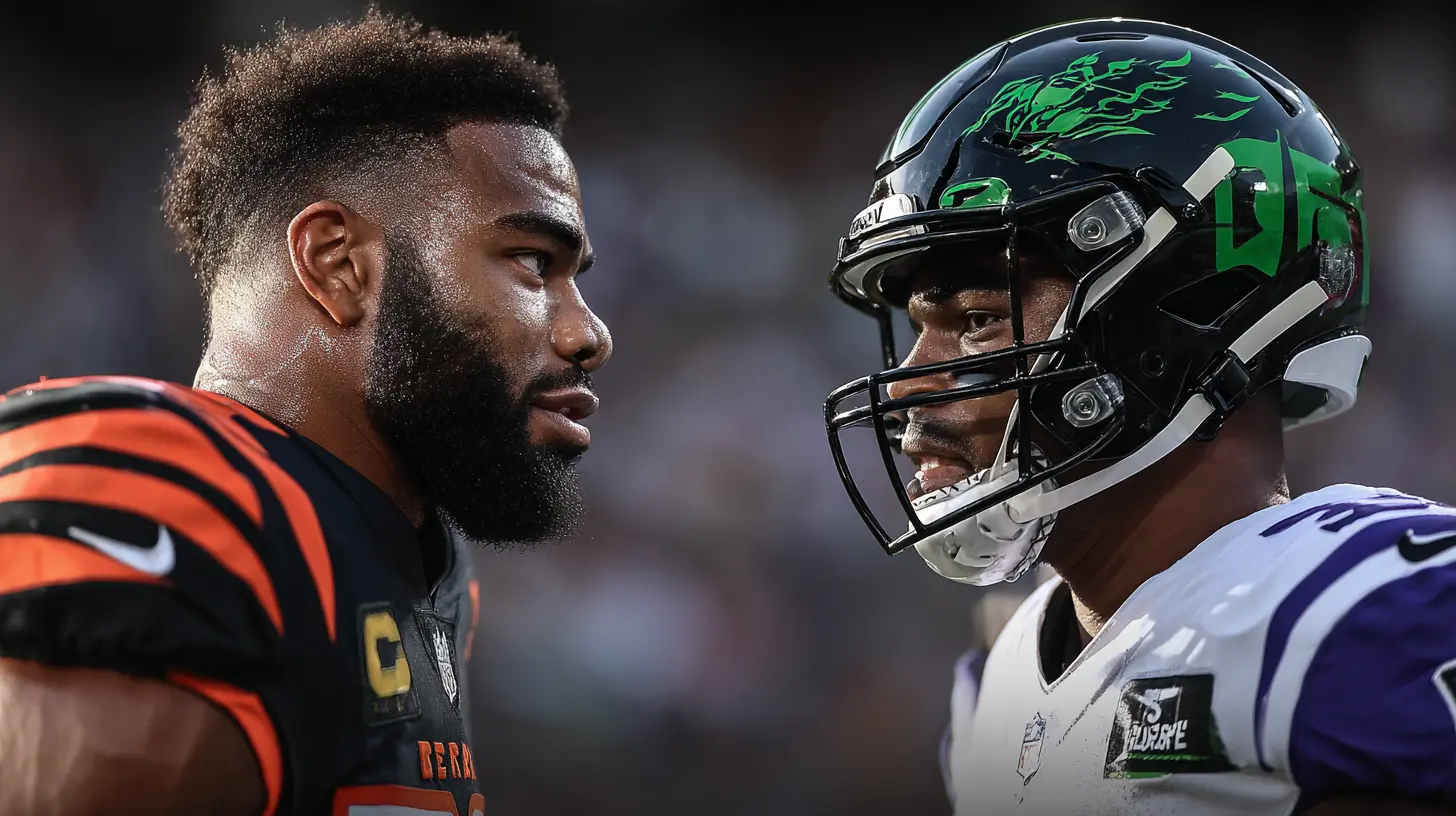
The Structural Forces Behind 2027's Shock Results
Several underlying trends made 2027 unusually volatile. Understanding them helps explain why so many favorites fell.Expanded Data Access for Smaller Programs
Analytics tools that were once affordable only to wealthy clubs are now within reach of smaller organizations. Affordable video tagging, open-source tracking models, and shared scouting networks have narrowed the information gap. Underdogs can now prepare for specific opponents with a depth that was impossible a decade ago.Congested Calendars and Rotation Risk
Fixture congestion remained a major factor in 2027. Teams competing on multiple fronts rotated heavily, and the drop-off between first-choice and backup players decided several high-profile matches. When a favorite rests key personnel, the effective talent gap shrinks.Tactical Specialization
Coaches increasingly design one-off game plans tailored to a single opponent rather than relying on a season-long identity. This specialization benefits underdogs, who can afford to gamble on a specific approach because they have less to lose.
The Biggest Upsets of the 2027 Season
The following sections examine the most significant upsets, grouped by the dynamics that produced them.Underdog Runs in Knockout Competition
Knockout formats amplify variance. A single deflection, a red card, or a hot goalkeeper can decide everything. In 2027, several lower-seeded sides advanced deep into tournaments by defending compactly, conceding possession, and striking on transitions.The pattern was consistent: the favorite dominated the ball but struggled to create high-quality chances, while the underdog converted a small number of opportunities. This is not luck alone. It reflects a deliberate trade-off. By ceding possession, the underdog reduces the space the favorite can attack and forces play into areas where the favorite's creative players are less effective.
Regular-Season Shocks in League Play
League upsets tend to be less dramatic but more revealing. Over a long season, a single loss rarely decides a title. However, a cluster of unexpected defeats can derail a campaign. In 2027, several title contenders dropped points against relegation-threatened opponents, often after European fixtures.The common thread was fatigue and complacency. Teams that had just played a demanding midweek match arrived flat, while their opponents treated the fixture as a cup final. Motivation is hard to measure, but its effect on pressing intensity and second-ball duels is visible on video.
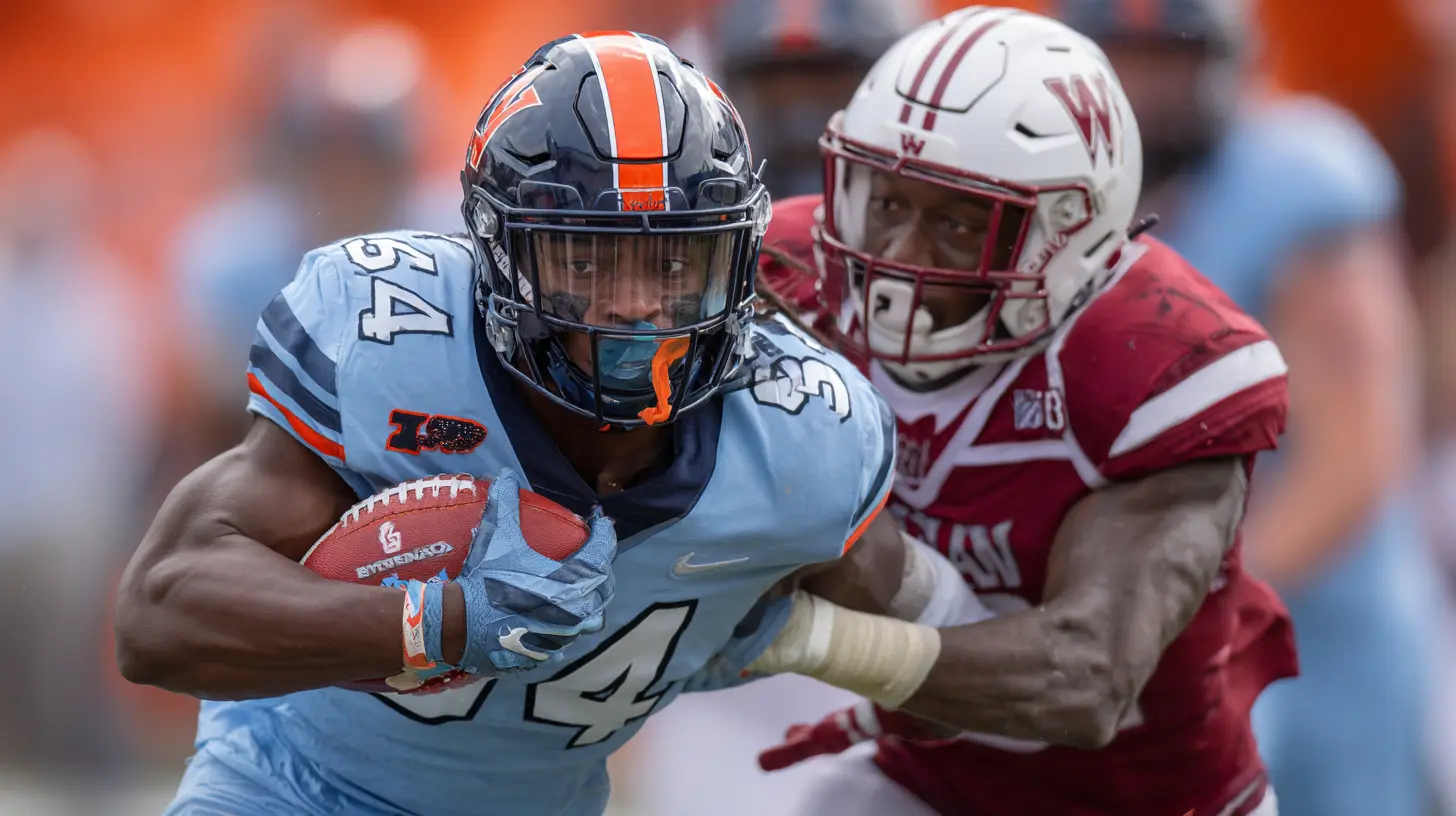
Individual Sport Surprises
Upsets were not limited to team sports. In individual disciplines, unseeded competitors eliminated top-ranked athletes with greater regularity than in previous years. Several factors contributed:- Improved physical preparation among lower-ranked athletes
- Greater willingness to change tactics mid-match
- Psychological pressure on favorites defending ranking points
In sports where ranking points carry financial consequences, favorites face a different kind of stress than challengers. That asymmetry can tilt close matches.
Case Studies in Detail
Abstract trends are useful, but concrete examples make the lessons stick. The following case studies illustrate how upsets unfold.Case Study 1: The Compact Block That Beat a Possession Giant
A heavily favored possession team met a mid-tier opponent expected to lose comfortably. Instead, the underdog set up in a narrow block, invited pressure, and conceded the wings. The favorite crossed repeatedly without success. Late in the second half, a single transition produced the winning goal.Why it worked: the underdog accepted a trade-off. It gave up territory to protect the most dangerous central areas. The favorite lacked a plan B and kept repeating a failing pattern.
When this approach fails: against teams with elite aerial finishers or accurate long-range shooters, a deep block concedes too many high-value chances. Coaches must assess the opponent's delivery quality before committing.
Case Study 2: The Rotation Gamble
A title contender rested four starters before a critical league match. The replacements struggled to match the intensity of a desperate opponent. The favorite lost, and the dropped points proved decisive in the final standings.Why it worked: the underdog targeted a specific weakness, pressing the backup defenders who were less comfortable playing out from the back.
The trade-off: rotation protects long-term health but increases short-term risk. Coaches must weigh the value of a single match against the demands of the full season. There is no universally correct answer, only a calculated bet.
Case Study 3: The Tactical Switch at Halftime
In an individual sport, a lower-ranked competitor changed strategy after losing the first set, attacking the favorite's weaker side and shortening points. The favorite, unaccustomed to adjusting mid-match, never recovered.Why it worked: the underdog treated the match as a puzzle rather than a test of talent. Flexibility beat reputation.
The lesson: preparation should include contingency plans. Favorites who rely on one style are vulnerable to opponents willing to adapt.
Why Favorites Lose: Common Mistakes
Identifying the recurring errors behind upsets helps teams and analysts avoid the same traps.Underestimating the Opponent
Complacency remains the most cited cause of upsets, and for good reason. When preparation drops, small margins shift. Scouting reports get shorter, video sessions get skipped, and players assume talent will carry the day.Rigid Game Plans
Coaches who refuse to adjust when the original plan fails hand the initiative to the underdog. Flexibility is a competitive advantage, not a sign of weakness.Poor Game Management
Late-game decisions, substitutions, and clock management decide close matches. Favorites that mismanage these moments invite upsets even when they have played well for most of the match.Emotional Fragility
When a favorite concedes first, panic can set in. Teams that lack emotional resilience start forcing plays, which creates more chances for the underdog. Composure is a skill, and it can be trained.
Misconceptions About Upsets
Several myths distort how people interpret shock results.Myth: Upsets Are Pure Luck
Luck plays a role, but it is not the whole story. Underdogs that win consistently do so through preparation, discipline, and tactical clarity. Dismissing every upset as luck ignores the work behind it.Myth: The Better Team Always Wins Over Time
Over a large sample, talent tends to prevail. But seasons are short, and single-elimination formats are shorter still. Variance is not a flaw in the system. It is a feature that keeps competition compelling.Myth: One Upset Predicts a Trend
A single result does not establish a pattern. Analysts should look for repeated mechanisms, such as a specific tactical approach or a recurring scheduling disadvantage, before drawing conclusions.How to Anticipate Upsets: Practical Guidance
For coaches, analysts, and fans, the following practices improve the ability to spot upset potential before it happens.Evaluate Motivation, Not Just Talent
Ask who needs the result more. A team fighting relegation often plays with greater urgency than a team comfortably mid-table. Motivation shows up in pressing, tackling, and second-half energy.Check the Schedule
Congestion, travel, and short rest between matches reduce performance. Look for favorites playing their third match in a week against a rested opponent.Study Tactical Matchups
Some styles simply match up badly against others. A possession team can struggle against a disciplined low block. A pressing team can be exposed by accurate long passing. Matchup analysis often reveals vulnerabilities that raw rankings hide.Watch for Lineup News
Rotation and injuries change the effective strength of a team. A favorite missing two key players is not the same favorite the betting market priced at the start of the week.Respect the Variance of Knockout Formats
In single-elimination competition, the underdog's chances are always higher than in a league. Adjust expectations accordingly and avoid overreacting to one result.
Lessons for Coaches and Analysts
The 2027 season offered clear takeaways for anyone working in competitive sport.Build Contingency Plans
Every game plan needs a backup. Teams that prepare multiple approaches handle surprises better than those that rely on a single system.Manage the Calendar Aggressively
Rotation is a tool, not a compromise. The best teams plan rest periods in advance rather than reacting to fatigue after it causes a loss.Train Emotional Resilience
Simulate adverse scenarios in training. Practicing how to respond to an early deficit prepares players for the pressure of a real match.Invest in Data, Regardless of Budget
Smaller programs can compete analytically without matching the spending of giants. Prioritize the metrics that matter most for your style of play.What to Expect in Future Seasons
If the trends of 2027 continue, upsets may become more common rather than less. Data democratization, tactical specialization, and congested calendars all favor underdogs. That does not mean favorites will stop winning. It means the margins will stay thin, and preparation will matter more than reputation.For fans, this is good news. Competitive balance makes sport more entertaining. For teams, it is a warning. The gap between favorite and underdog is narrower than the standings suggest, and any team that forgets this will pay for it.
Final Thoughts
The biggest upsets of the 2027 competitive season were not random accidents. They grew from identifiable causes: tactical discipline, superior preparation, favorable scheduling, and the emotional fragility of favorites. Understanding these factors helps coaches prepare better, analysts predict more accurately, and fans appreciate the craft behind a shock result. The next upset is already forming. The question is whether anyone will see it coming.
all images in this post were generated using AI tools
Category:
Season RecapsAuthor:

Nelson Bryant