Are Sports Streaming Bundles the Future for 2027?
13 October 2026
The way people watch sports has been shifting for years, but the pace of change is about to accelerate in ways that will affect every fan, every league, and every broadcaster. By 2027, the question is not whether sports streaming will dominate. It already does for millions of viewers. The real question is whether bundles, those packages that combine multiple services or channels into one subscription, will become the default way fans access live sports. The answer is complicated, and it depends on who you ask, what sport you follow, and where you live. But one thing is clear: the era of needing five separate apps to watch a single season is pushing the market toward consolidation, and bundles are the most likely outcome.
This article breaks down why bundles are gaining traction, what forms they might take by 2027, where they could fail, and how fans and industry professionals should prepare. It is not a prediction piece built on hype. It is a practical look at the forces shaping sports media and what they mean for your wallet, your viewing habits, and the future of the games you love.
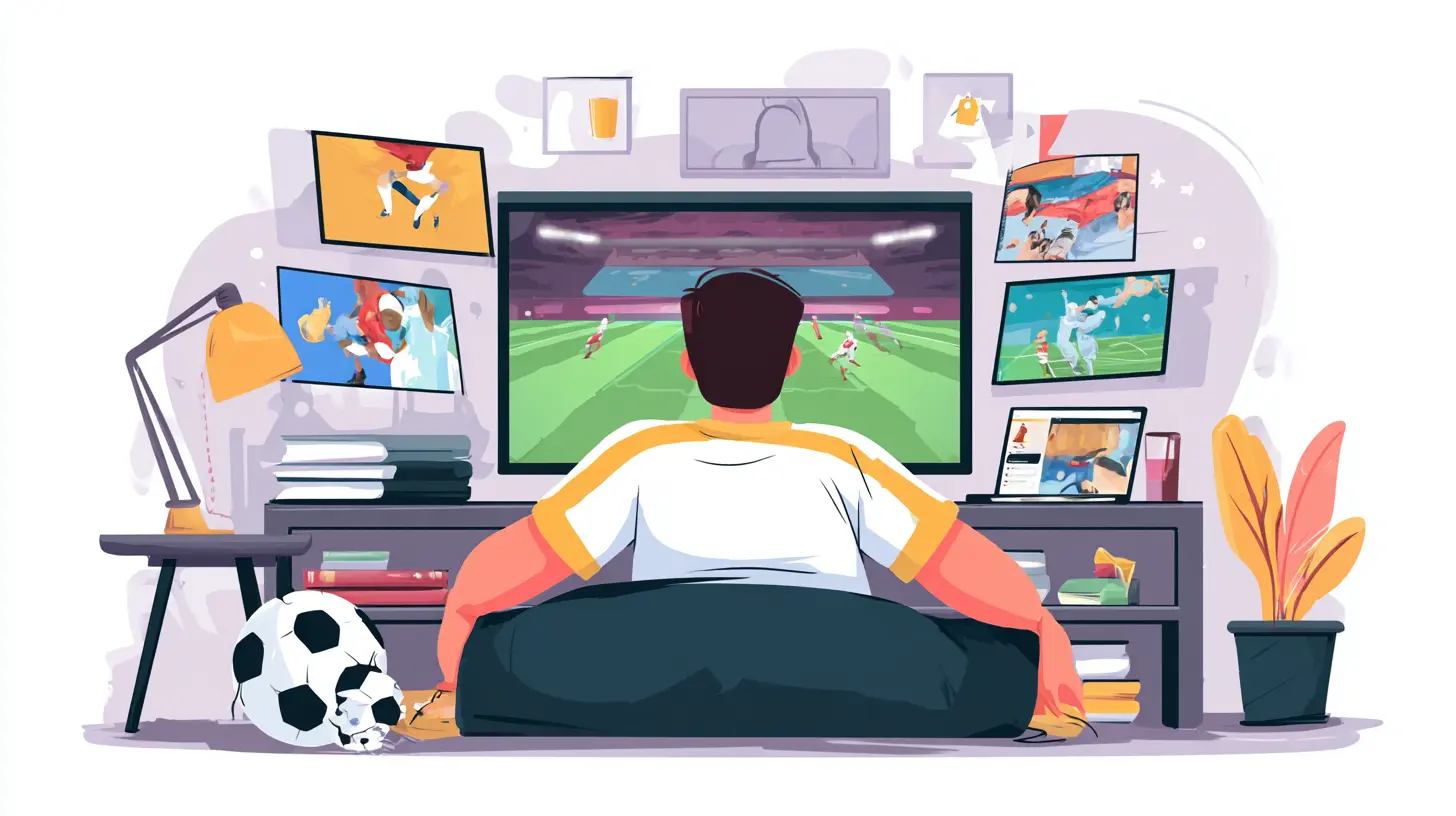
The Fragmentation Problem Nobody Solved
For most of the 2010s, cord cutting looked like freedom. You dropped cable, picked a streaming service or two, and saved money. Sports fans were told they could finally stop paying for channels they never watched. That promise held for a while, but it did not last.Leagues and teams started launching their own services. Regional sports networks went direct to consumer. Tech giants bought rights. The result is a landscape where a single fan might need subscriptions to four or five platforms just to follow one team through a full season. A basketball fan in a mid-sized market could need one service for national games, another for local broadcasts, a third for a league-owned channel, and a fourth for international or archival content.
This is not a small inconvenience. It is a structural problem. When the cost of following a team exceeds what cable ever charged, the value proposition of streaming collapses. Fans notice. They complain. They churn, meaning they cancel and resubscribe based on what is on that month. Churn is expensive for streamers, and it creates a volatile business model that nobody enjoys.
Bundles are the market's natural response to fragmentation. Whenever an industry splits into too many pieces, someone builds a package that puts the pieces back together. The question is who does it, how much control they exert, and whether the result is actually better for consumers or just a new version of the old cable bundle with a different name.

What a Sports Streaming Bundle Actually Means
The word bundle gets used loosely, so it helps to define it clearly. A sports streaming bundle is a single subscription or billing arrangement that gives you access to content from more than one provider. That can take several forms.The first is a platform bundle. One company, such as a streaming device maker, a telecom, or a tech platform, aggregates multiple services and sells them together, often at a discount. You still use separate apps, but you pay one bill.
The second is a content bundle. A single service licenses content from multiple leagues or networks and presents it inside one app. You do not see the seams. This is closer to the traditional cable model but delivered over the internet.
The third is a hybrid. A primary service includes some content directly and partners with others to fill gaps, sometimes with ads and sometimes with an upcharge.
Each model has different implications for price, user experience, and control. Platform bundles are easier to build but offer less integration. Content bundles are harder to negotiate but deliver a smoother experience. Hybrids are flexible but can confuse customers if the value is not obvious.
By 2027, all three will exist. The question is which becomes dominant, and the answer likely varies by region and sport.

Why 2027 Is a Realistic Tipping Point
Timing matters in media. Rights deals run for years, often five to ten. Many major contracts signed in the late 2010s and early 2020s expire between 2025 and 2028. That window is when the next wave of deals gets signed, and those deals will shape how content is packaged for the rest of the decade.Several other forces converge around the same period. Streaming technology has matured to the point where live sports can be delivered reliably at scale, though not perfectly. Advertising technology has improved enough that ad-supported tiers are viable for live events. Consumer fatigue with subscription sprawl has reached a level that makes bundling attractive to both providers and viewers.
None of this guarantees that 2027 is the year bundles take over. It does mean that by 2027, the deals and infrastructure will be in place for bundles to become the primary way fans access sports if the market chooses that path. The choice is not automatic. It depends on execution.

The Economics That Make Bundles Attractive
Bundles work when the sum of the parts is worth more than the individual pieces, and when the cost of acquiring customers separately is higher than the cost of serving them together. For sports streaming, both conditions are increasingly true.Customer acquisition is brutally expensive. A streaming service might spend tens of dollars to acquire a single subscriber, and if that subscriber churns after a few months, the math never works. Bundles reduce churn because canceling one service means losing access to several. That stickiness is valuable, and providers are willing to give up some revenue per user to get it.
Content owners also benefit. A league that sells rights to a bundle reaches more viewers than it would on a niche service. More viewers mean more advertising revenue, more merchandise sales, and more cultural relevance. The tradeoff is that the league gives up some control over pricing and presentation. Whether that tradeoff is worth it depends on the league and its long-term strategy.
For fans, bundles can lower the total cost of following multiple sports, but only if the bundle matches what they actually watch. A bundle that includes five services when you only use two is not a deal. It is a repackaged version of the problem you were trying to escape.
The Cable Comparison and Why It Is Not Quite Right
Critics of sports streaming bundles often say they are just cable 2.0. The comparison is fair in some ways and misleading in others.Cable bundles worked because they were the only option. You paid for a hundred channels to get the ten you wanted because there was no way to buy the ten individually. Streaming bundles exist in a world where individual services are still available. That changes the dynamic. A bundle has to compete not just with other bundles but with the option of buying only what you need.
Cable also bundled general entertainment with sports, which spread the cost across a broader subscriber base. Sports-only bundles do not have that luxury. If the bundle is built around sports, the cost of sports rights has to be covered by sports fans alone. That tends to make sports bundles more expensive per channel than the old cable packages, even if they are cheaper than buying everything separately.
The lesson is that bundles can work, but they cannot simply replicate the cable model. They have to offer real savings, real convenience, or both. Otherwise, fans will pick and choose, and the bundle becomes just another option in an already crowded market.
What Could Go Wrong
Optimism about bundles should be tempered by a clear look at the risks. Several things could prevent bundles from becoming the future by 2027, or could make them a disappointment for fans.Pricing That Defeats the Purpose
If a bundle costs nearly as much as buying the services separately, it offers no value. This happens when providers refuse to give up margin or when content owners demand high fees. Fans are quick to do the math, and they will reject a bundle that does not save them money.Poor User Experience
A bundle that requires switching between apps, logging in multiple times, or dealing with inconsistent interfaces is not a real bundle. It is a billing arrangement. True bundling should feel seamless. If it does not, the friction will drive people away.Blackouts and Rights Restrictions
Sports rights are territorial. A bundle that works in one region may not work in another. Blackouts, which restrict local games in certain markets, are a persistent frustration. A bundle cannot solve blackouts unless the underlying rights deals change, and that is a legal and business problem, not a technical one.Exclusion of Niche Sports
Bundles tend to focus on the most popular content because that is what drives subscriptions. Niche sports, international leagues, and women's sports, which have historically been underserved, could be left out. That would be a step backward for fans of those sports and for the growth of the games themselves.Regulatory Scrutiny
If bundles become too dominant, regulators may step in. Antitrust concerns could slow or reshape consolidation. This is not a reason to avoid bundles, but it is a factor that could change the timeline or the structure of deals.Where Bundles Already Work
It is worth looking at places where bundling has already taken hold, because the lessons there are instructive.In some markets, telecom companies bundle streaming services with internet or mobile plans. This works because the telecom already has a billing relationship with the customer and can absorb the cost of the streaming service as a retention tool. The fan gets a lower effective price, and the telecom reduces churn. It is a clean win when the content matches what the customer wants.
Some leagues have experimented with single-service packages that include multiple teams or competitions. These are not bundles in the multi-provider sense, but they serve the same purpose: one payment, one app, more content. When priced right, they reduce friction and increase engagement.
The common thread is simplicity. Bundles that work are easy to understand, easy to buy, and easy to use. Bundles that fail are complicated, overpriced, or both.
The Role of Advertising
Advertising is the wild card in the bundle equation. Ad-supported tiers have become a major part of streaming strategy, and sports are particularly well suited to advertising because they are watched live. Live sports command higher ad rates than almost any other content, and that revenue can offset the cost of bundling.By 2027, it is likely that many sports bundles will include an ad-supported option, possibly as the default. This could lower the price for fans who are willing to watch commercials, while premium ad-free tiers remain available at a higher cost. The tradeoff is familiar, but the stakes are higher for sports because live viewing means ads cannot be easily skipped.
For fans, the key question is whether the ad experience is tolerable. If a bundle interrupts a close game with too many commercials or poorly timed breaks, the savings may not be worth it. If the ads are integrated smoothly and the price is right, many fans will accept them.
What Fans Should Consider Before Choosing a Bundle
If you are a sports fan trying to decide whether a bundle makes sense for you, here are the practical factors to weigh.Start with what you actually watch. List the teams, leagues, and events you follow. Be honest. If you only watch one team and that team is available on a single service, a bundle may be unnecessary. If you follow multiple sports across different providers, a bundle could save you money and hassle.
Check the fine print on blackouts and regional restrictions. A bundle that looks great on paper may not deliver the games you care about if you live in the wrong market.
Compare the total annual cost, not the monthly price. Some bundles offer introductory rates that rise after a few months. Others require annual commitments. Do the math for a full year.
Consider the user experience. If the bundle requires multiple apps and logins, factor in the inconvenience. Time and frustration have value, even if they do not show up on a bill.
Think about flexibility. If your viewing habits change, can you cancel or downgrade easily? A bundle that locks you in for a year may not be worth the savings if you lose interest or your team's games move to a different service.
What the Industry Should Consider
For leagues, broadcasters, and platforms, the bundle question is strategic. Here are the factors that should shape decisions.First, do not bundle for the sake of bundling. A bundle should solve a real problem for fans, not just create a new revenue stream. If the value is not obvious, the bundle will fail.
Second, invest in the user experience. The technical and design work of making a bundle feel like one product is what separates a good bundle from a bad one. This is not glamorous, but it is essential.
Third, be transparent about pricing and restrictions. Fans forgive a lot if they understand what they are getting. They do not forgive surprises.
Fourth, protect niche content. The long-term health of sports depends on growing the audience for less popular leagues and competitions. Bundles that include a range of content can help, but only if the pricing and presentation treat that content as valuable.
Fifth, plan for regulation. If a bundle becomes dominant, regulators will look closely. Building in flexibility and fair access now can prevent problems later.
The Most Likely Scenario for 2027
No one can predict the future with certainty, but the most plausible scenario for 2027 is a mixed market. Some fans will subscribe to a single comprehensive bundle that covers most of what they want. Others will stick with individual services because they only follow one sport or one team. A third group will use a platform bundle that combines streaming with internet or mobile service.The bundle will not replace everything. It will become one of several options, and its success will depend on how well it is executed. The fans who benefit most will be those who follow multiple sports and are willing to trade some flexibility for lower cost and less hassle. The fans who benefit least will be those who follow niche sports or live in markets with restrictive blackouts.
This is not a dramatic prediction, but it is realistic. The history of media is not one of sudden replacements. It is one of gradual shifts, with old and new models coexisting for years. Sports streaming bundles will follow that pattern.
Practical Advice for the Next Two Years
If you are a fan, use the time between now and 2027 to understand your own viewing habits and costs. Track what you subscribe to and what you actually watch. When bundles become available, you will be able to judge them against real data rather than marketing promises.If you work in sports media, start thinking about partnerships now. The deals that shape 2027 are being negotiated today. The organizations that build flexible, fan-friendly bundles will be the ones that thrive.
If you are an investor or analyst, watch the rights renewals. They are the leading indicator of how content will be packaged. Follow the advertising technology, because it determines how low the ad-supported tiers can go. And pay attention to churn numbers, because they reveal whether bundles are actually solving the problem they claim to solve.
Final Thoughts
Are sports streaming bundles the future for 2027? They are likely to be a bigger part of the future than they are today, but they will not be the only way fans watch sports. The market is too diverse, the rights too fragmented, and the fans too varied for a single model to dominate completely.What bundles offer is a way out of the subscription sprawl that has made following sports more expensive and more frustrating than it should be. Whether that promise is fulfilled depends on the choices made by leagues, platforms, and broadcasters in the next two years. Fans should be hopeful but skeptical. Bundles can be a good deal, but only if they are built with the fan in mind, not just the balance sheet.
The games themselves will always be the draw. The question is how we get to them. By 2027, the answer will be more varied than ever, and bundles will be part of it.
all images in this post were generated using AI tools
Category:
Live StreamingAuthor:

Nelson Bryant